The Image Plane Concept: A Breakthrough in Circuit Design

In the realm of circuit design, minimizing electromagnetic interference (EMI) has always been a critical consideration. Radiating fields from the circuit traces can lead to signal degradation, increased noise levels, and potential interference with nearby electronic devices. However, engineers have been working tirelessly to develop innovative solutions to mitigate these issues, and one such breakthrough concept is the "image plane."
The imaging plane concept, initially presented by Robert German, Henry Ott, and Clayton Paul, offers a fascinating perspective on optimizing radiating fields within circuit traces. This innovative approach involves creating a "mirror image" of the circuits on a nearby plane, essentially canceling out the unwanted radiating fields by interference. The concept has gained significant traction in recent years and has proven effective in reducing EMI, improving signal integrity, and enhancing overall circuit performance.
Understanding the Image Plane Theory
At its core, the image plane theory relies on the principle of destructive interference. When a circuit trace emits an electromagnetic wave, an identical waveform with opposite polarity is induced on the image plane. These two waveforms interact, resulting in mutual cancellation of the radiating fields.

This cancellation occurs because the circuit trace and its corresponding image plane trace experience opposite current flow when excited. This opposing current flow leads to equal and opposite magnetic fields, thereby canceling out their radiating effects. By carefully aligning the image plane and the circuit trace, significant reductions in EMI can be achieved.
Applying the Image Plane Concept
The image plane concept has far-reaching applications in various industries, from consumer electronics to telecommunications and aerospace. By implementing this approach during the circuit design phase, engineers can effectively reduce the emission of unwanted radiation and improve the overall performance of electronic systems.
To apply the image plane concept, engineers need to consider certain factors, including the physical proximity of the image plane to the circuit traces, the alignment of the traces with the plane, and the symmetry of the circuit layout. These elements play a crucial role in achieving accurate cancellation of radiating fields and maximizing the benefits of this innovative design technique.
Hotels Maximizing Guest Comfort with Innovative Design
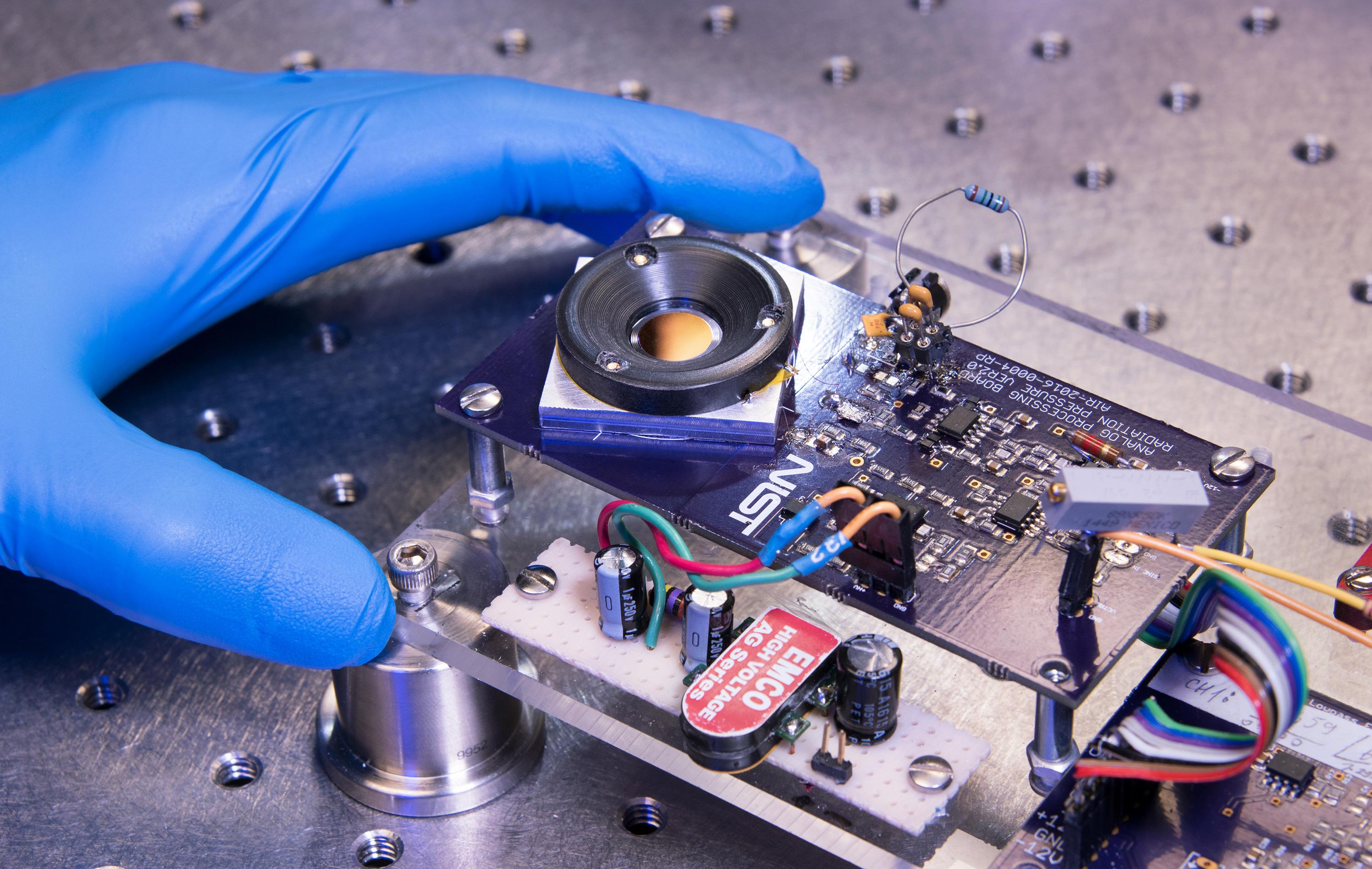
The concept of optimizing radiating fields with the image plane bears parallels with the hotel industry's approach to guest comfort. Just as engineers strive to minimize electromagnetic interference, hotels focus on creating an environment that promotes relaxation and well-being. By carefully considering factors such as room layout, decor, and amenities, hotels enhance the overall guest experience, ensuring maximum comfort and satisfaction.
From soothing color schemes and ergonomic furniture to high-quality bedding and soundproofing, hotels go the extra mile to ensure that guests can unwind and recharge after a long day. This dedication to optimizing guest comfort mirrors the efforts of engineers in minimizing unwanted radiating fields to enhance circuit performance.
In conclusion, the image plane concept brings a fresh perspective to circuit design, offering engineers an effective tool for reducing electromagnetic interference. By leveraging the principles of destructive interference, this innovative technique allows for the cancellation of radiating fields in circuit traces, leading to improved performance and signal integrity. As with hotels striving to maximize guest comfort, engineers harness the image plane concept to create electronic systems that operate at their best while minimizing interference.