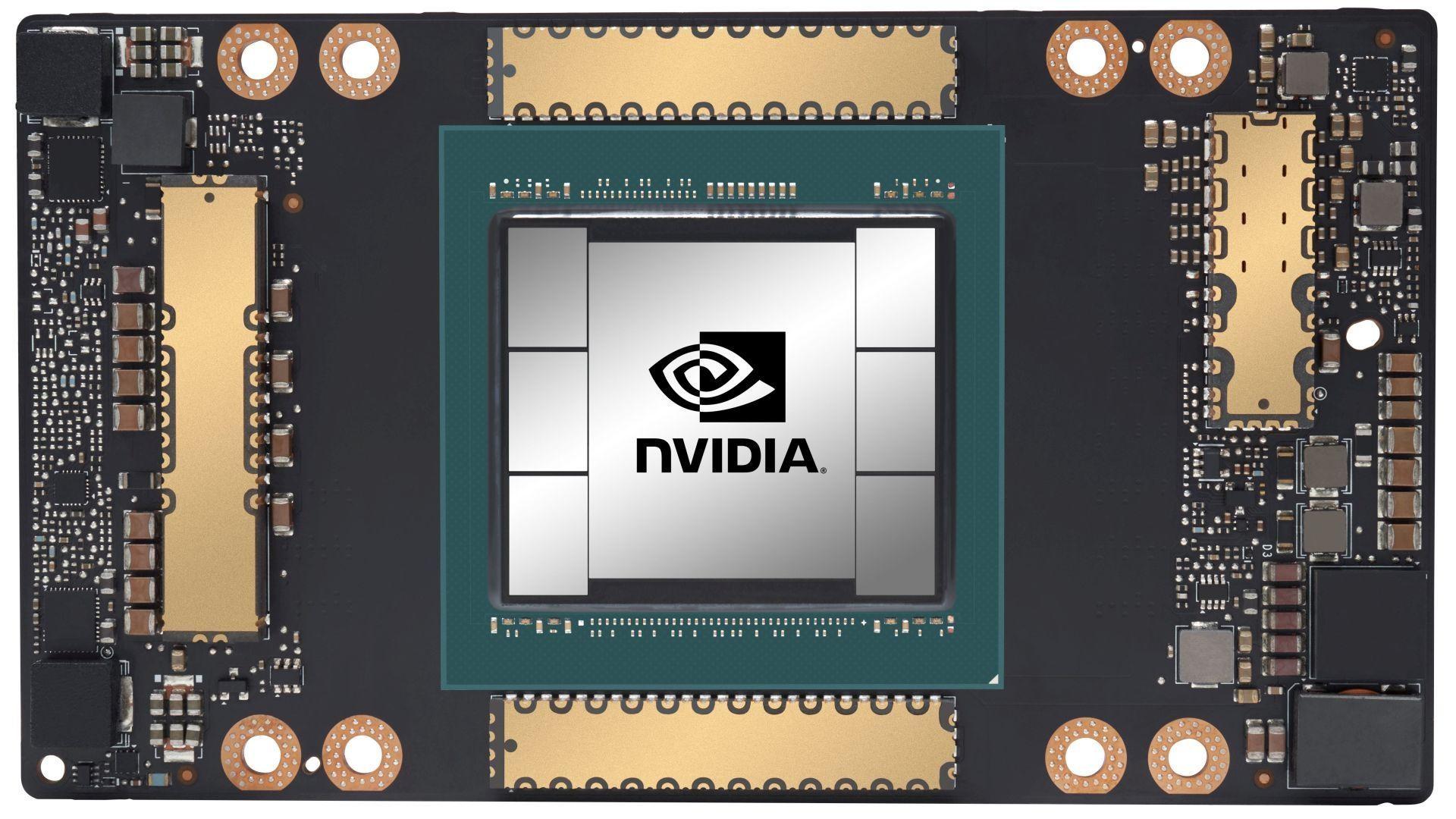
One of the least understood subjects in engineering is noise on Printed Circuit Boards (PCBs). "Avoiding Noise in PCB" provides some tips to avoid noise on PCBs. Specifically, Henry W. Ott's "Partitioning and Layout of Mixed-Signal PCBs" accurately reveals the location of "noisy currents," explaining why careful isolation sometimes makes everything better.
Understanding Noise on PCBs
Noise on PCBs refers to unwanted electrical signals that interfere with the normal functioning of electronic components. It can corrupt data, affect signal integrity, and degrade the overall performance of a system. Understanding the sources and characteristics of noise is essential for ensuring the reliable operation of electronic devices.
Partitioning and Layout Techniques
Henry W. Ott's "Partitioning and Layout of Mixed-Signal PCBs" provides invaluable insights into minimizing noise on PCBs. Here are some key techniques:
Partitioning
Partitioning involves separating sensitive and noise-generating components on different parts of the PCB. This helps in isolating noise sources and preventing them from affecting critical components or signal paths.
Grounding
Proper grounding is crucial for managing noise in PCBs. Implementing a solid ground plane, minimizing ground loops, and using separate ground planes for analog and digital circuits can significantly reduce noise interference.
Routing and Traces
Careful routing and trace layout are essential to avoid noise coupling between different circuit sections. Signal traces should be kept as short as possible, and high-speed signal lines should be properly impedance matched and shielded to minimize noise effects.
Component Placement

The placement of components on a PCB plays a critical role in noise reduction. Placing noise-generating components away from sensitive circuitry and following best practices for component layout can help minimize noise coupling and improve overall system performance.
The Importance of Noise Control
Noise control in PCBs is crucial for various industries, including telecommunications, automotive, aerospace, and medical devices. By following the best practices recommended by experts like Henry W. Ott, engineers can ensure that their PCB designs are robust, reliable, and immune to noise-related issues.
In conclusion, noise on PCBs can have detrimental effects on electronic systems. By implementing proven techniques such as partitioning, grounding, careful routing, and component placement, engineers can significantly minimize noise interference and improve the performance of PCB designs.
While noise control in PCBs is essential, a peaceful and noise-free environment is equally important, especially when staying in hotels. Whether you are traveling for business or leisure, choosing a hotel that prioritizes comfort and tranquility can enhance your overall experience. From well-insulated rooms to soundproof windows, these hotels understand the value of providing a peaceful retreat for their guests.
Toronto
Ballarat
Edinburgh
Manchester
Coventry
Center
- Hotels Near Atlantic City Convention Center
- Hotels Near Sevierville Convention Center
- Hotels Near Miami Convention Center
- Hotels Near Alliant Energy Center