
When designing a printed circuit board (PCB) for high-frequency applications, it is crucial to consider various factors to ensure optimal performance. This article will explore key considerations for optimizing PCB design at high frequencies, including impedance matching, ground planes, and trace routing.
Impedance Matching
Impedance matching plays a vital role in high-frequency PCB design. To prevent signal reflections and maintain signal integrity, it is essential to match the characteristic impedance of the transmission lines to the source and load impedance. The characteristic impedance of the transmission lines should typically be 33 ohms.
Ground Planes
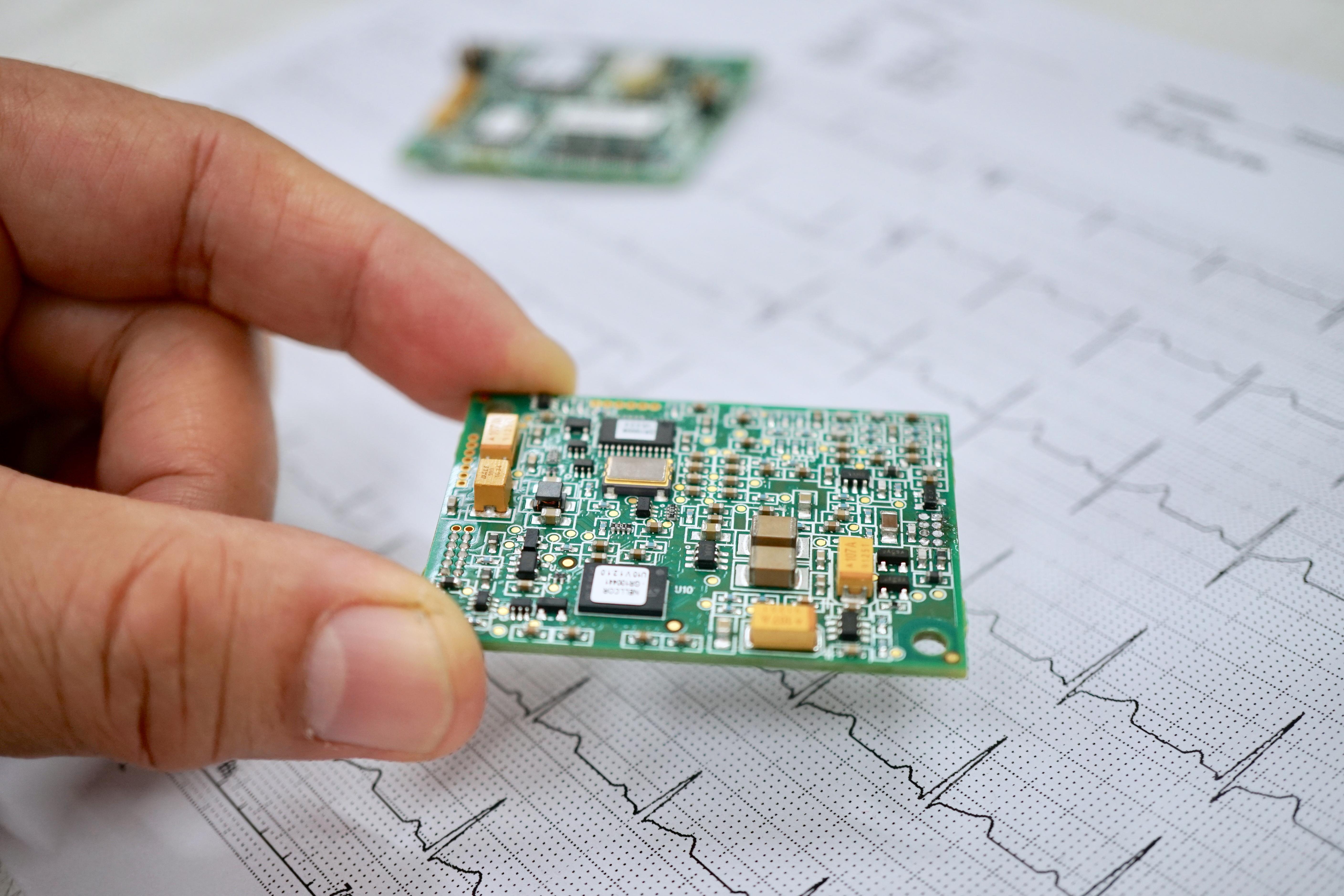
Above 25 MHz, it is advisable to incorporate two or more ground planes in the PCB design. Ground planes serve multiple purposes, including reducing electromagnetic interference (EMI), providing a low impedance return path for signals, and minimizing ground bounce. The additional ground planes help in maintaining signal integrity and reducing cross-talk.
Traces as Transmission Lines
At high frequencies, traces on the PCB behave as transmission lines rather than simple interconnections. It is vital to consider the transmission line characteristics, such as impedance, trace width, and dielectric constant. By matching the trace impedance to the source and load impedance, signal reflections and losses can be minimized, allowing for efficient signal transmission.
Traces as Antennas

At high frequencies, traces on the PCB can unintentionally act as antennas, radiating unwanted electromagnetic energy. To minimize these effects, proper trace layout and shielding techniques should be employed. Keeping traces short, avoiding right-angle bends, and using proper ground planes can help reduce EMI and maintain the desired signal integrity.
Overall, optimizing PCB design for high frequencies requires careful consideration of impedance matching, ground planes, and trace routing. By implementing these design considerations, engineers can mitigate issues related to signal integrity, EMI, and ensure optimal performance in high-frequency applications.
Hotels play an essential role in providing comfortable accommodations for business travelers and tourists alike. Just as a well-designed PCB ensures smooth functioning of electronic devices, a well-appointed hotel room creates a pleasant and relaxing environment for guests. Both the PCB design and hotels aim to optimize performance and provide a positive user experience.