Electromagnetic Compatibility Consulting and Training Part 1. Introduction

PCB stack-up is an important factor in determining the EMC performance of a product. A good stack-up can be very effective in reducing radiation from the loops on the PCB (differential-mode emission), as well as the cables attached to the board (common-mode emission). On the other hand, a poor stack-up can increase the radiation from both of these mechanisms considerably.
Four Factors for Board Stack-Up Considerations
Four factors are important with respect to board stack-up considerations:
- The number of layers
- The number and types of planes (power and/or ground) used
- The ordering or sequence of the layers
- The spacing between the layers
Usually, not much consideration is given except as to the number of layers. In many cases, the other three factors are of equal importance. Item number four is sometimes not even known by the PCB designer.
Factors to Consider when Deciding on the Number of Layers
In deciding on the number of layers, the following should be considered:
- The number of signals to be routed and cost
- Frequency
- Will the product have to meet Class A or Class B emission requirements?
- Will the PCB be in a shielded or unshielded enclosure?
- The EMC engineering expertise of the design team
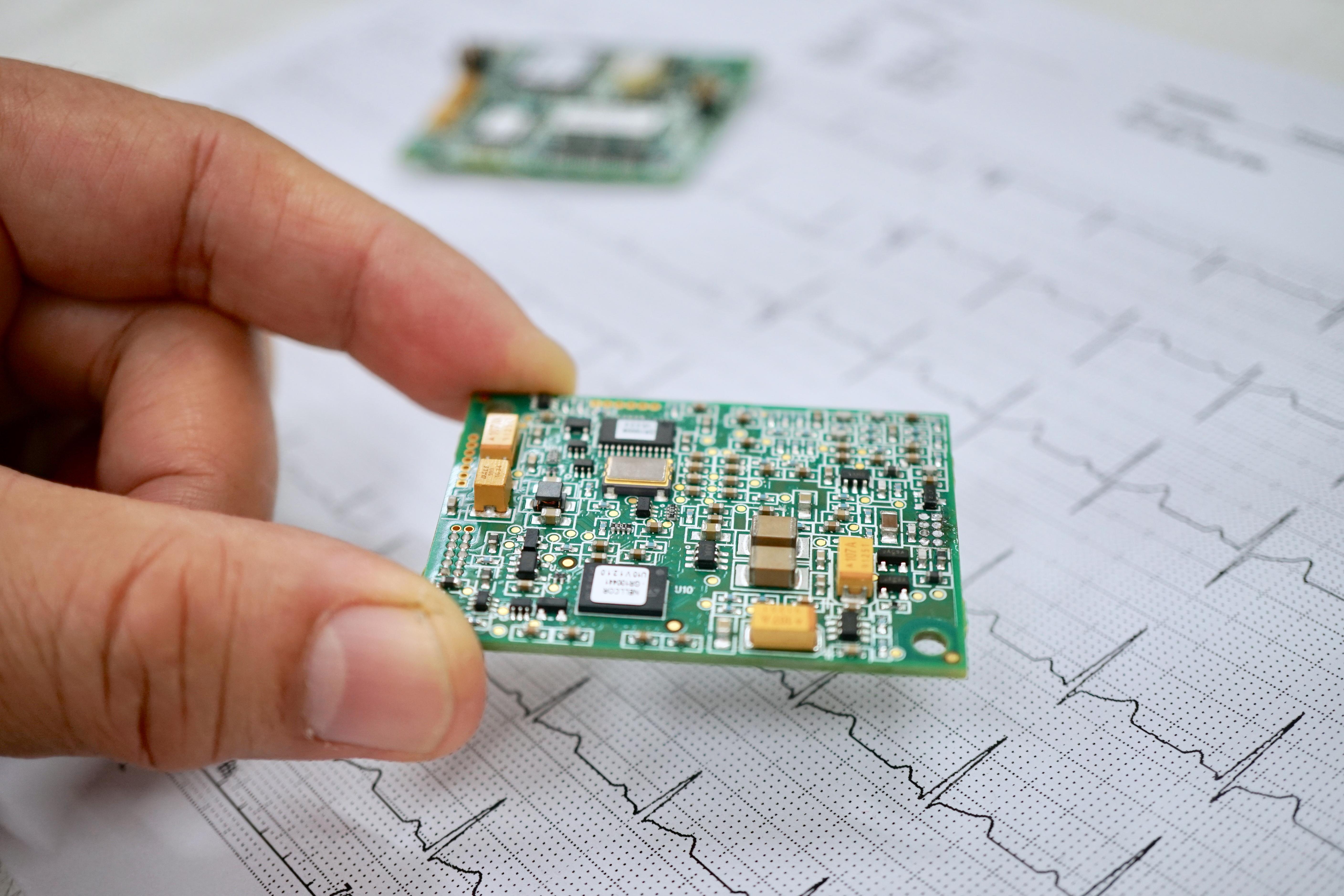
Often only the first item is considered. In reality, all the items are of critical importance and should be considered equally. If an optimum design is to be achieved in the minimum amount of time and at the lowest cost, the last item can be especially important and should not be ignored.
Benefits of Multi-Layer Boards
Multi-layer boards using ground and/or power planes provide significant reduction in radiated emission over two-layer PCBs. A rule of thumb, that is often used, is that a four-layer board will produce 15 dB less radiation than a two-layer board, all other factors being equal. Boards containing planes are much better than those without planes for the following reasons:
- They allow signals to be routed in a microstrip (or stripline) configuration. These configurations are controlled transmission lines with much less radiation than the random traces used on a two-layer board.
- The ground plane decreases the ground impedance (and therefore the ground noise) significantly.
Although two-layer boards have been used successfully in unshielded enclosures at 20 to 25 MHz, these cases are the exception rather than the rule. Above about ten or fifteen MHz, multi-layer boards should normally be considered.
Objectives for Achieving an Optimal Multi-Layer Board Design
When using multi-layer boards, there are five objectives that you should try to achieve:
- A signal layer should always be adjacent to a plane.
- Signal layers should be tightly coupled (close) to their adjacent planes.
- Power and Ground planes should be closely coupled together.
- High-speed signals should be routed on buried layers located between planes. In this way, the planes can act as shields and contain the radiation from the high-speed traces.
- Multiple ground planes are very advantageous since they will lower the ground (reference plane) impedance of the board and reduce the common-mode radiation.
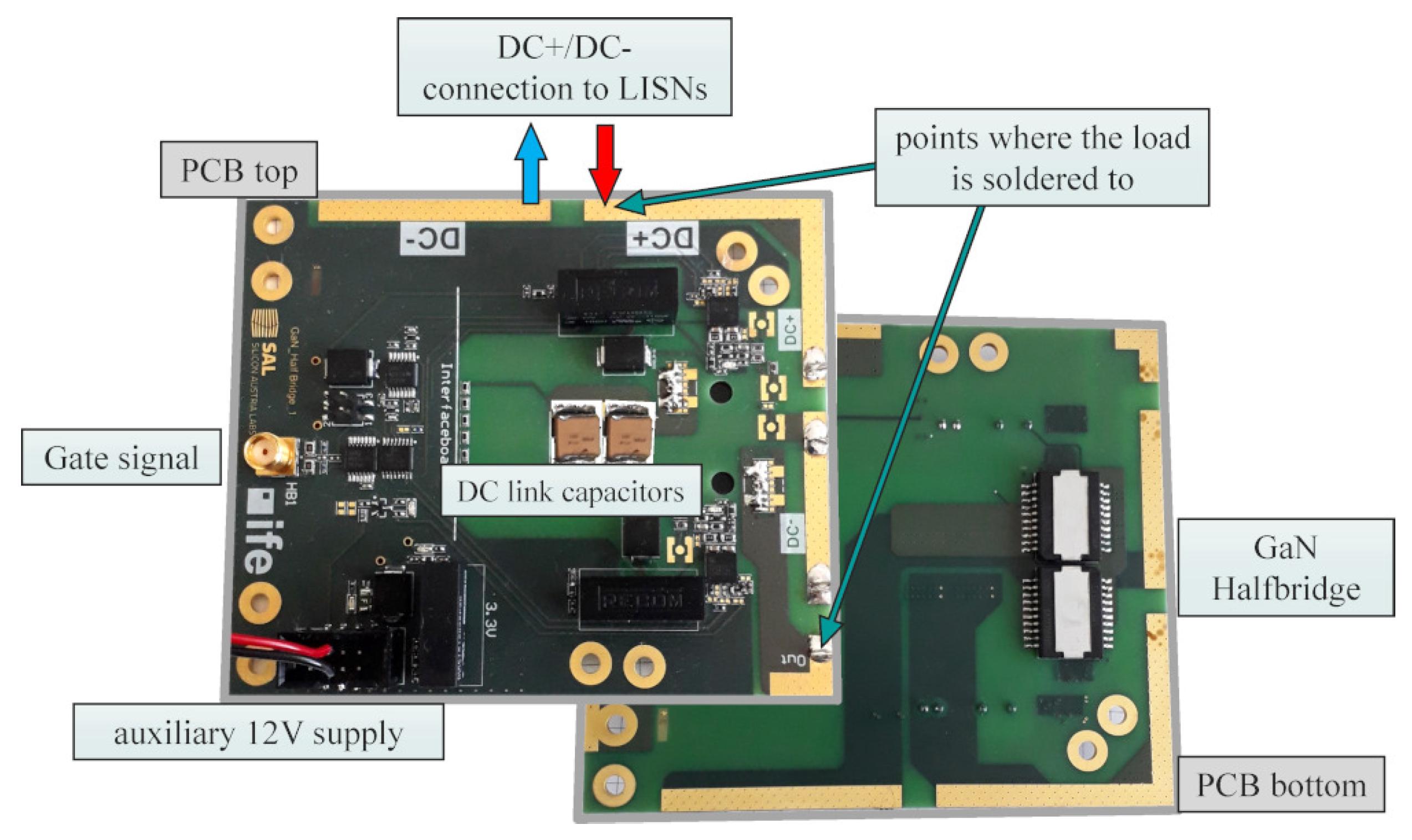
An eight-layer board is the fewest number of layers that can be used to achieve all five of the above objectives. On four and six-layer boards, some of the above objectives will have to be compromised. Under those conditions, you will have to determine which objectives are the most important to the design at hand. All the desired EMC objectives can be met with an eight-layer board, and there is no reason for using more than eight layers other than to accommodate additional signal traces.
In conclusion, PCB stack-up plays a crucial role in determining the electromagnetic compatibility performance of a product. Properly considering factors like the number of layers, types of planes, sequence of layers, and spacing between layers can have a significant impact on reducing radiation and meeting emission requirements. Multi-layer boards with ground and power planes offer substantial advantages over two-layer boards, allowing for controlled transmission lines and decreased ground impedance. By achieving optimal design objectives, such as tight coupling of signal layers to adjacent planes and close coupling of power and ground planes, along with routing high-speed signals on buried layers, an eight-layer board can meet all desired EMC objectives. Consideration of all factors and working with an experienced design team can help achieve an optimal stack-up design for improved electromagnetic compatibility.
Note: The content provided in this article is Copyright © 2000 Henry W. Ott and is reproduced here for informational purposes only. For further information, refer to Henry Ott Consultants' website or contact them directly.
Now, when it comes to your hotel stay, finding accommodation that meets your expectations and requirements is crucial. Just as a well-structured PCB stack-up design contributes to the overall performance of a product, a good hotel choice enhances your travel experience. Consider factors such as location, amenities, and customer reviews to ensure a satisfying stay during your next trip.