Introduction

When it comes to technical items and electronic design, understanding electromagnetic compatibility (EMC) is crucial. EMC refers to the ability of electronic devices to function properly in shared environments without causing or experiencing interference. In this article, we will explore some important tips and information related to EMC and component data that every designer should be familiar with.
Component Data
Having access to accurate component data is essential for designing electronic systems that meet desired performance standards. Component data provides information about the electrical and mechanical properties of various electronic parts. It includes details like voltage ratings, current ratings, dimensions, pin configuration, and more. By using reliable component data, designers can make informed decisions and optimize their designs for better efficiency and performance.
Current Loop Area and Emission
One critical aspect of EMC is the proper management of current loops and emissions. A current loop is a closed path that carries electrical current. It is important to ensure that the current loop area is minimized to reduce emissions and the potential for electromagnetic interference (EMI). Designers employ various techniques such as careful trace routing, proper grounding, and shielding to control current loop area and mitigate EMI issues.
Current Path in Ground Plane
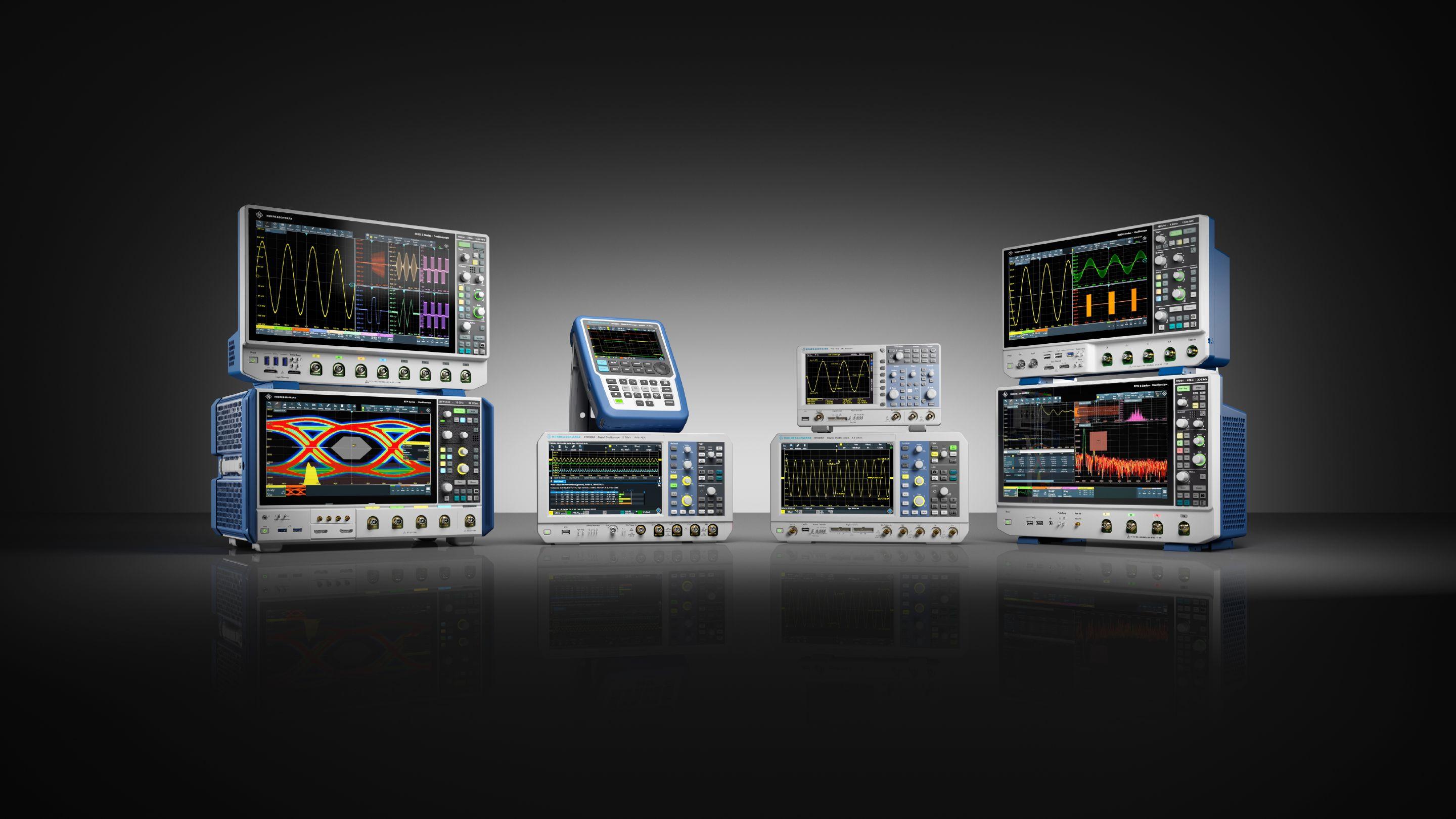
Understanding the current path in the ground plane is vital for achieving good signal integrity and minimizing EMI. The ground plane acts as a reference for electrical signals and provides a path for current to flow. By carefully managing the current path in the ground plane, designers can avoid signal degradation, reduce crosstalk, and enhance overall system performance.
How to Measure Characteristic Impedance
Characteristic impedance is an important parameter in high-speed digital and RF designs. It determines the impedance exhibited by a transmission line when it is terminated with its characteristic impedance. Measuring characteristic impedance accurately is crucial for impedance matching and avoiding signal reflections. By utilizing appropriate measurement techniques and equipment, designers can ensure optimal signal integrity and minimize signal distortions.
Impedance and Characteristic Impedance
Eric Bogatin, an expert in signal integrity, provides valuable insights into impedance and characteristic impedance. Understanding the relationship between impedance and characteristic impedance is key to designing reliable electronic systems. Impedance matching techniques help maximize power transfer and improve overall system performance. By paying attention to impedance considerations, designers can enhance signal quality and reduce signal integrity issues.
Importance of Differential Signaling

Differential signaling is widely used in many high-speed communication protocols. It offers numerous advantages over single-ended signaling, including improved noise immunity, reduced crosstalk, and enhanced signal integrity. Designers need to understand the principles and implementation of differential signaling to harness its benefits effectively. By utilizing differential signaling techniques, designers can achieve robust and reliable data transmission in demanding electronic systems.
Combining the expertise in EMC, component data, and signal integrity, electronic design professionals can create cutting-edge solutions for various applications ranging from consumer electronics to industrial automation. Whether you are designing a complex circuit board or developing an intricate system, paying attention to technical tips and staying updated with the latest industry trends is essential for success.
When you are not busy designing innovative electronic systems, taking a moment to relax and unwind is equally important. If you are planning a vacation, consider staying in hotels that understand your needs as a tech-savvy traveler. From high-speed internet access to advanced amenities, these hotels ensure your stay is comfortable and enjoyable. So, after a productive day at work, you can relax in a modern and tech-friendly environment, knowing that your electronic design expertise is appreciated even during your leisure time.