Characteristic Impedance of Microstrip
The characteristic impedance of microstrip transmission lines depends on the width (w) and height (h) of the trace above the reference plane. For w/h = 1, the characteristic impedance is typically between 60-70 ohms. If the aspect ratio is w/h = 2, the characteristic impedance ranges from 40-50 ohms.
Average Propagation Delay
The average propagation delay for transmission lines is an important parameter to consider. For FR-4 epoxy glass-based microstrip and stripline, the average propagation delay is around 2 nS per foot. This value represents the average between microstrip and stripline designs.
Characteristic Impedance of Stripline
Stripline transmission lines have a characteristic impedance that is approximately 0.6 times that of microstrip lines. It is important to consider this difference when designing circuits using stripline technology.
Typical Propagation Delay
For microstrip transmission lines, the typical propagation delay is around 150 pS per inch. However, for stripline designs, the propagation delay is slightly higher, around 180 pS per inch. Understanding these values is crucial for ensuring accurate signal timing in electronic circuits.
Characteristic Impedance of Asymmetric Stripline

Asymmetric stripline transmission lines have a characteristic impedance that is approximately 0.75 times that of microstrip lines. This variation should be considered when using asymmetric stripline technology in circuit designs.
FR-4 Epoxy Glass Dielectric Constant
The dielectric constant of FR-4 epoxy glass, commonly used in circuit board manufacturing, typically ranges between 4.0 and 5.0, with a typical value of 4.5. The dielectric constant affects the characteristic impedance and propagation delay of transmission lines.
Minimizing Crosstalk
To minimize crosstalk between traces on a circuit board, the spacing (s) between traces should adhere to specific guidelines. For microstrip lines, the spacing should be four times the height (h) of the trace. On the other hand, for stripline designs, the spacing should be twice the height (h) of the trace.
Other Dielectric Materials
When working with dielectric materials other than FR-4 epoxy glass, the characteristic impedance of the transmission line is inversely proportional to the square root of the dielectric constant. Similarly, the propagation delay is proportional to the square root of the dielectric constant. Examples of dielectric constants for other materials include FR-4 (4.5), PTFE (3.2), and Polyester (3.2).
Maximum Unterminated Stub Length
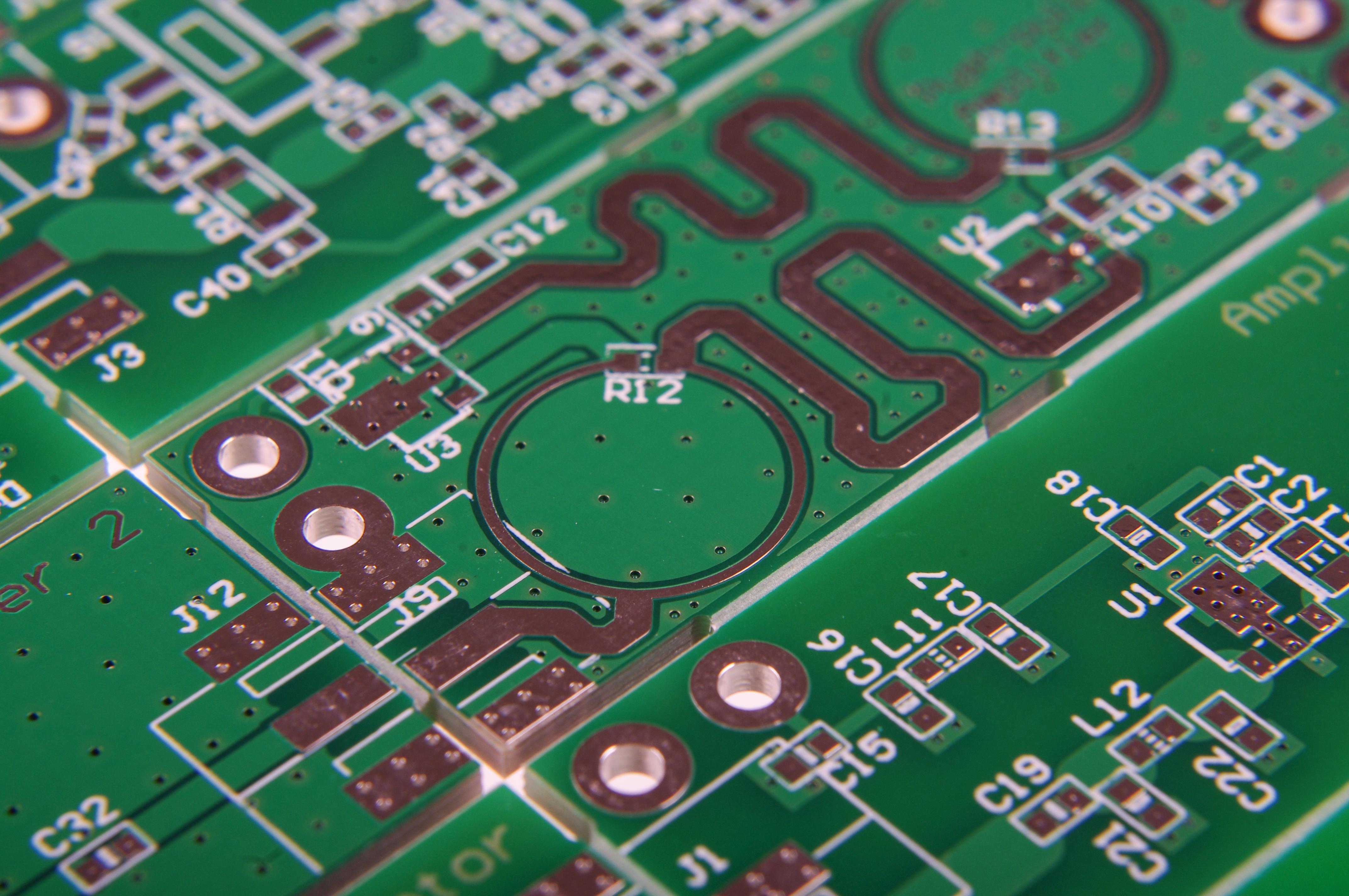
The maximum length (L) of an unterminated stub in inches can be calculated using the rise time (tr) and the average propagation delay (nS). The formula is L(in) = tr (nS).
Dielectric Constant of Other Materials
For reference, different dielectric constants of commonly used materials include FR-4 (4.5), PTFE (3.2), and Polyester (3.2). These values affect the characteristic impedance and propagation delay of transmission lines made from these materials.
Source: © 2000 Henry W. Ott
Understanding the rules of thumb for transmission lines is essential for effective circuit board design and signal integrity. Just like the precise calculations and guidelines followed in the electronics industry, hotels also rely on careful planning and well-structured operations to ensure exceptional service to their guests. The impeccable management of hotels ensures that guests experience a seamless and pleasant stay, similar to how transmission line design principles guarantee optimal signal transmission in electronic systems.