Electromagnetic Compatibility Consulting and Training

The radiation from a cable is directly proportional to the common-mode current on that cable. The common-mode current is the unbalanced current (current not returned) on the cable. If this current is not returned on the cable, where does it go? Into radiation, that's where! In the case of intentional signals that flow down one wire of the cable and return on another wire, the net current is zero.
Measuring the Common-Mode Current
Since cables are always a major source of product radiation, measuring the common-mode current is one of the most useful things that you can learn to do. The common-mode current can easily be measured with a high frequency clamp-on current probe (such as the Fischer Custom Communications Model F-33-1) and a spectrum analyzer. The F-33-1 current probe has a flat frequency response from 2 to 250 MHz and can provide accurate measurements.
Understanding the Measurement
The transfer impedance of the current probe is five ohms (+ 14 dB), therefore, a one microamp current will produce a five microvolt output voltage from the current probe. By using this measurement technique, you can determine the common-mode currents on all your cables.
Importance of Early Measurement

Make it a habit to measure the common-mode currents on all your cables. Do it early on prototype models (while it is still easy to make a change to the product), and prior to performing EMC compliance testing. If you fail the common-mode current test, you will also fail the radiated emission test. For a Class B product, the current must be less than 5 microamps (15 microamps for a Class A product).
Use the above limits for cables that are one meter or longer. For cables shorter than one meter, the allowable current can be increased proportionally. For example, for a half-meter long cable, the maximum current would be 10 microamps for a Class B product (30 microamps for a Class A product). This technique works equally well on shielded or unshielded cables.
Determining Cable Shield Termination Efficacy
This common-mode current measurement method is also an effective way to determine the effectiveness of your cable shield termination. By measuring the current before and after inserting a filter or ferrite core, you can assess their effectiveness in suppressing common-mode radiation. All cables, regardless of their intended purpose, should be measured. Signal cables, power cords (AC or DC), fiber optic cables, monitor cables, I/O cables, telecom cables, and any other cables attached to the product can be a source of radiation.
Interactions Between Cables
When trying to reduce the common-mode current on each cable, it is important to remember that the cables will interact. If you reduce the common-mode current on one cable, it may increase on another cable. Therefore, it is recommended to monitor one cable at a time with the common-mode current clamp and use common-mode filters, ferrite chokes, cable shields, etc., to reduce the current to under 5 microamps (15 microamps for a Class A device). Then, move on to the next cable and repeat the process. This iterative process may need to be repeated two or three times on each cable until the currents on all the cables are below the allowed limits.
The Importance of Common-Mode Current Measurements
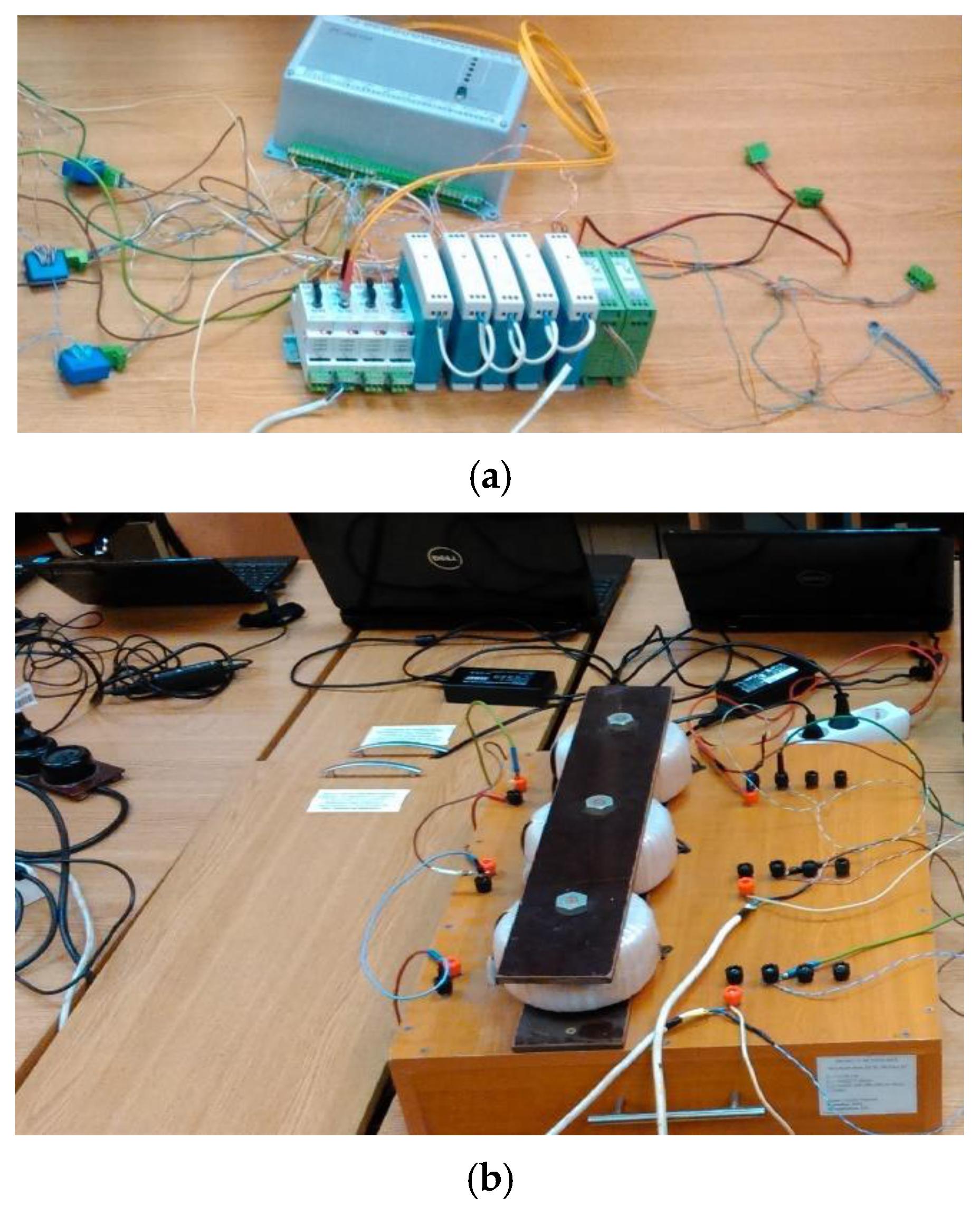
Of all the various types of EMC measurements that you could possibly perform, the common-mode current measurement is the most useful. By learning to measure and reduce common-mode currents on your cables, you can ensure compliance with radiated emission tests. Regularly conducting these measurements will help identify and mitigate potential sources of radiation, enhancing the overall electromagnetic compatibility of your product.
In conclusion, common-mode current measurements are crucial for effective electromagnetic compatibility management. By using the appropriate tools and techniques, you can accurately measure and reduce common-mode currents on your cables, ensuring compliance with radiated emission standards. Don't overlook the importance of early measurement and monitoring all cables attached to your product. By implementing these practices, you can minimize the risk of interference and enhance the performance of your electrical and electronic devices.
Looking for a hotel to stay during your next business trip or vacation? Check out our wide selection of hotels that cater to all budgets and preferences.