Italy's seaside towns are a popular destination for Italian and foreign tourists looking to spend their summer holidays by the sea. This holiday destination is not only dedicated to the high level of travel experience offered by the seaside resorts, but it is also focused on culture and entertainment. The relaxed atmosphere of Italy's seaside towns attracts people from all over the world.
This article highlights some of the 21 beautiful seaside towns in the country that you should visit on a budget.
We hope this list will help you plan your next trip!
1. Take a boat trip around Positano
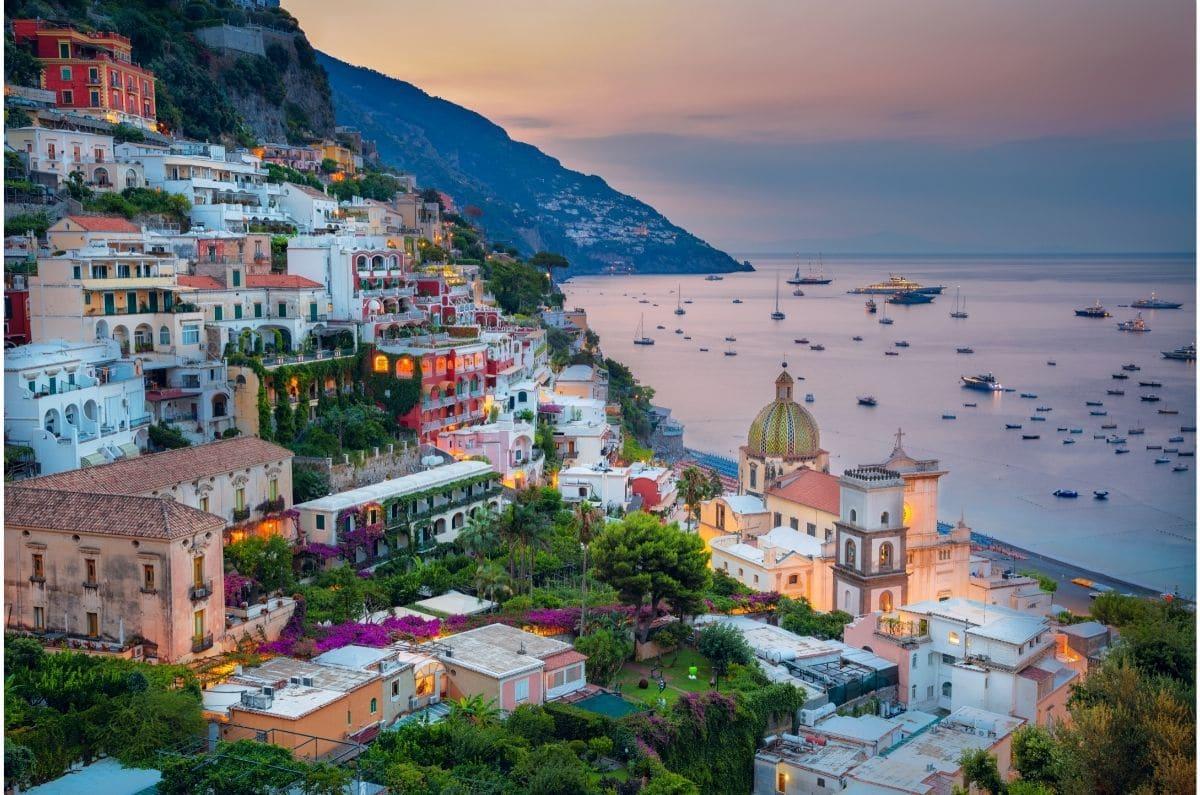
Positano is one of the most beautiful seaside towns in the world. This small town on the Amalfi Coast fascinates visitors with its pastel-coloured houses set on the sea. Positano has lived many lives - as part of the maritime republic ofAmalfi in the Middle Ages, as a major trade route during the Renaissance, as a forgotten fishing village and finally as an idyllic seaside town enjoying a modern renaissance. John Steinbeck, who lived here in 1953, wrote: "It's a dreamy place that isn't quite real when you're there and becomes real after you leave. Again, you may never want to leave.
To find out why this seaside town continues to attract visitors from all over the world, take a stroll through its narrow streets, past colourful sandal shops and lemon-scented pasta shops. You can also take a boat trip along the coast to see Positano from the water - a great way to get your bearings if it's your first time.
A TIP
Bring comfortable shoes. Positano has many winding paths and steep stairs. On your way to the beach, stop by Le Sirenuse, Steinbeck's playground, for a meal or a drink by the pool. The famous hotel also runs the popular sunset venue Franco's Bar, a tribute to one of the four brothers who founded the hotel (open seasonally).
2. Discover the natural beauty of Ravello
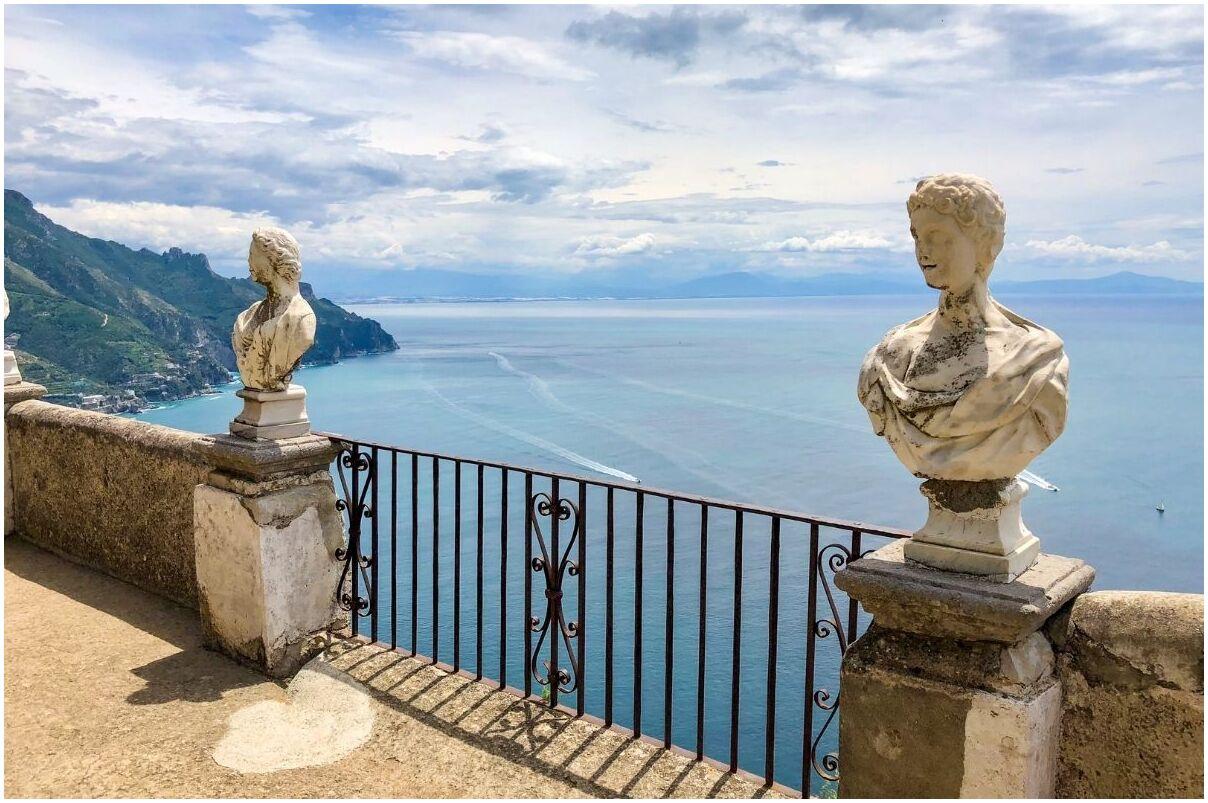
Ravello has been called the city of music and is home to Villa Cimbrone, Villa Rufolo, the impressive Oscar Niemeyer Auditorium and a vibrant cultural scene: Ravello Festival, Ravello Concert Society.
Thousands of years of history, an enchanting mountain-top setting on Italy's most beautiful coast and views that have captivated countless souls, inspired artists and filled hearts with passion. But that's just the beginning of what you'll find in this charming village on the Amalfi Coast. There are more stories to discover along its medieval streets, garden villas and ancient stone roads.
The French writer André Gide wrote that Ravello was "closer to the sky than to the sea", and he was right. It has also inspired countless artists, including M.C. Escher, Virginia Woolf, Joan Mirò, Truman Capote, Tennessee Williams and Richard Wagner, who is celebrated each year with a music festival.
Situated above the Amalfi Coast in the Campania region of southern Italy, this peaceful village is one of Italy's hidden gems. It also offers some of the most stunning views in Europe, from its gardens to its town centre.
TIP
Spend on a room with a view at Palazzo Avino, a pink luxury hotel with a Michelin-starred restaurant, three levels of terraced gardens and a pool overlooking the sea, or at least stop for an Aperol Spritz on the terrace.
3. Enjoy the sunset on the Isle of Capri

The island of Capri is one of the most beautiful destinations in the Mediterranean, attracting tourists from around the world with its manicured landscape and sparkling blue sea. Although it has been known as a holiday destination for wealthy Romans and German poets since ancient times, it is still possible to enjoy the natural beauty of Capri for little or no money.
The island owes its name to the herds of goats (capra in Italian) that once populated it. It therefore became a symbol of the romantic pastoral ideal when it was discovered by the German poet August Kopisch and the artist Ernst Fries in 1826. One attraction in particular, the Grotta Azzurra, gave rise to this idealized image. The cave's hidden opening allows light to refract through its ice-blue waters, giving them an incredible sapphire hue.
Today, Capri is one of the seaside towns that attracts crowds of tourists every summer, but the trip is well worth it for anyone who wants to see its breathtaking beauty for themselves.
Top 60 things to do in Capri, Italy
Capri, Italy: 2022 Travel Guide
A TIP
Many visitors to Capri take a day trip that arrives by ferry from Naples or the Amalfi Coast and leaves on the last ferry in the evening, so the island becomes much less touristy at night. If you are looking for a quieter experience, consider staying at one of the island's luxury hotels, such as J.K. Place Capri or the Capri Tiberio Palace.
4. Manarola, a vibrant little village not to be missed
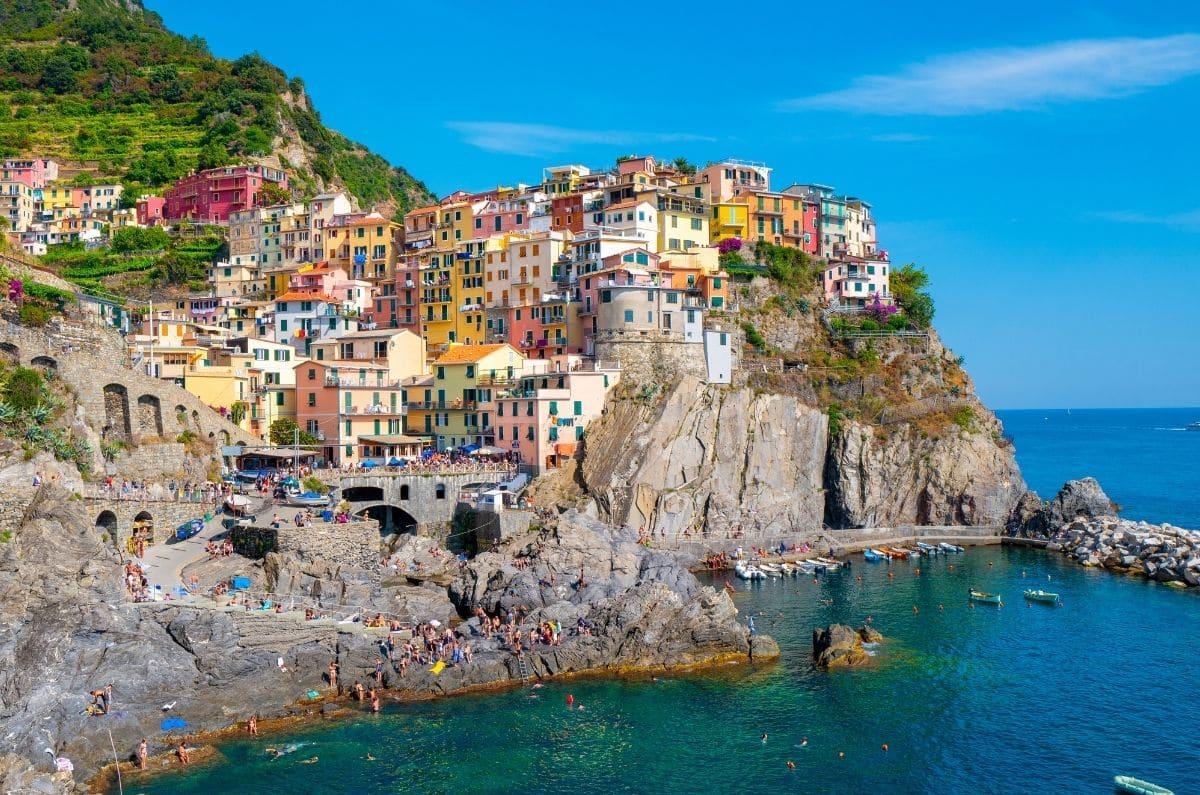
Nestled in the picturesque mountains of the Liguria region is Manarola. Despite its small size, Manarola has a lot to offer: a fishing port, restaurants serving traditional dishes and a square for shows. The town itself retains its old-world charm with its brightly coloured houses and cobbled streets.
Planning your visit to Manarola can be tricky due to limited transport options and lack of parking. We recommend taking the train from La Spezia, as cars are not allowed into the town, and parking in La Spezia before making the journey.
While in Manarola, stop at one of the local restaurants to try traditional Ligurian dishes such as pasta with pesto or focaccia with cheese. If you are looking for something more familiar, there are also many pizzerias.
Many tourists flock to the Cinque Terre every year, so be prepared for crowds and higher prices during the high season (May to September). If possible, try to visit in the shoulder season (March to April or October) for more affordable rates and fewer people.
A TIP
The other four villages - Riomaggiore, Corniglia, Vernazza and Monterosso al Mare - are easily accessible by train and connected by hiking trails. Note that sometimes trails are closed for maintenance, so check what is open before setting off with your hiking boots.
5. Discover the incredible beaches of Porto Ercole
When you think of Tuscany, you usually imagine rolling cypress-covered hills and medieval seaside towns, but Tuscany also has a beautiful coastline. Halfway between Florence and Rome is Porto Ercole, 'Port Hercules', in the province of Grosseto. The town is the final resting place of the painter Caravaggio, who died here on his way to Rome to receive an indulgence after being exiled.
The Renaissance fortress that once housed Caravaggio is now a luxury hotel. Set on a hill overlooking the Tyrrhenian Sea, the hotel offers one of the most spectacular views of any hotel in Tuscany. From its terrace you can see as far as Isola del Giglio and Monte Argentario. The hotel's location, just outside the city, makes it an ideal place to relax, as it is away from the noise of Porto Ercole's city life.
The town itself has much to offer visitors: historic churches, winding streets lined with seafood restaurants and craft shops, and beautiful beaches make this small town a perfect weekend getaway or extended holiday destination.

A TIP
You can easily get to Porto Ercole by car, but it is also accessible by public transport. Take the train to Orbetello-Monte Argentario and then take a bus.
6. Fill your eyes with the bright colours of Portofino's buildings
Portofino is a small, picturesque fishing village on the west coast of Italy. Located in the popular Riviera region, Portofino is known for its brightly coloured buildings, gardens and harbour full of expensive yachts. The village is also home to a castle, several churches and an impressive lighthouse.
Although small, Portofino has a long history. The village was once a Roman colony that was conquered by the Republic of Genoa in 1229. In the 16th century, the French, Spanish, English and Austrians all had an influence on Portofino at one time or another, as did the pirates!
Eventually, Portofino, one of the most beautiful seaside towns, became a popular destination for celebrities. In the 1950s and 1960s, when people were living the dolce vita, celebrities such as Humphrey Bogart, Clark Gable, Elizabeth Taylor and Sophia Loren all visited Portofino.
Today, many stars still come to spend their holidays in Portofino. Madonna, Cate Blanchett, Heidi Klum and Gwyneth Paltrow have all been photographed here in recent years.
A TIP
Portofino caters for its wealthy visitors. If you're travelling on a budget, it's best to stay in the nearby towns of Camogli or Santa Maria Ligure.

7. Take a walk around Ponza Island
Ponza, the picturesque island, is another popular destination for Romans fleeing the city in summer. Legend has it that the island was named after Pontius Pilate, whose family owned a cave there. The Etruscans first settled Ponza, which may be the last remnant of the lost island of Tyrrhenia, and archaeologists have found the ruins of sunken Roman temples nearby. It is also said to be the home of Circe, the witch who seduced Odysseus and turned his men into pigs. More recently, Wes Anderson shot some scenes in The Life Aquatic.
The rocky landscape of the island is dotted with caves and caverns, which can be reached by boat or by swimming. Some of these caves have been converted into nightclubs and bars. Others can be explored on foot or by boat to get a glimpse of marine life such as starfish and sea urchins. There are also two sandy beaches on either side of Ponza which attract tourists during the high season in July and August.
A TIP
The Grotta della Maga Circe - Witch's Cave - is on the west side of the island, between Capo Bianco and Chiaia di Luna beach.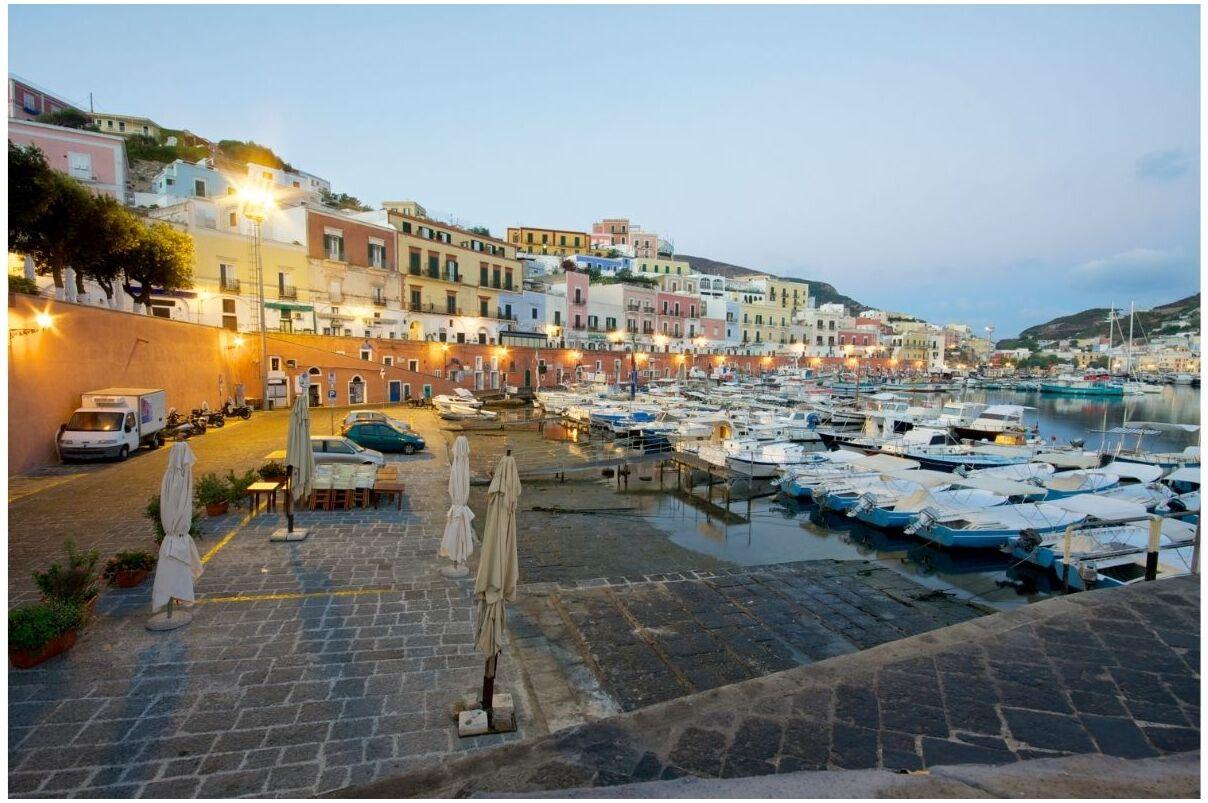
8. Discover the nature reserves of Acireale
Don't let the fact that it's an island fool you. Sicily has all kinds of terrain, and in Acireale you can enjoy a day at the beach without spending much time on the sand.
If you're not a sunbather and prefer to spend your days cooling off in the water, this might be the place for you. Made of black volcanic rock from Mount Etna, Acireale's unique beaches are not ideal for sunbathing, but they are perfect for swimming, thanks to the ladders that descend into the water from the rocks. Climb them as if you were entering a swimming pool or jump straight into the water.
After spending time cooling off in the beautiful waters of Acireale, explore the rest of what this small town has to offer. Visit the town's ornate baroque churches, beautiful parks and nature reserves, or browse its open-air market. Acireale is also known for its carnival celebrations, considered the best in Sicily.
A TIP
Start your morning the right way with a typical Sicilian breakfast of granita, a frozen treat that comes in many flavours, or if you're really hungry, opt for a sweet brioche sandwich that is cut in half and filled with ice cream.
9. Visit the Aeolian Islands
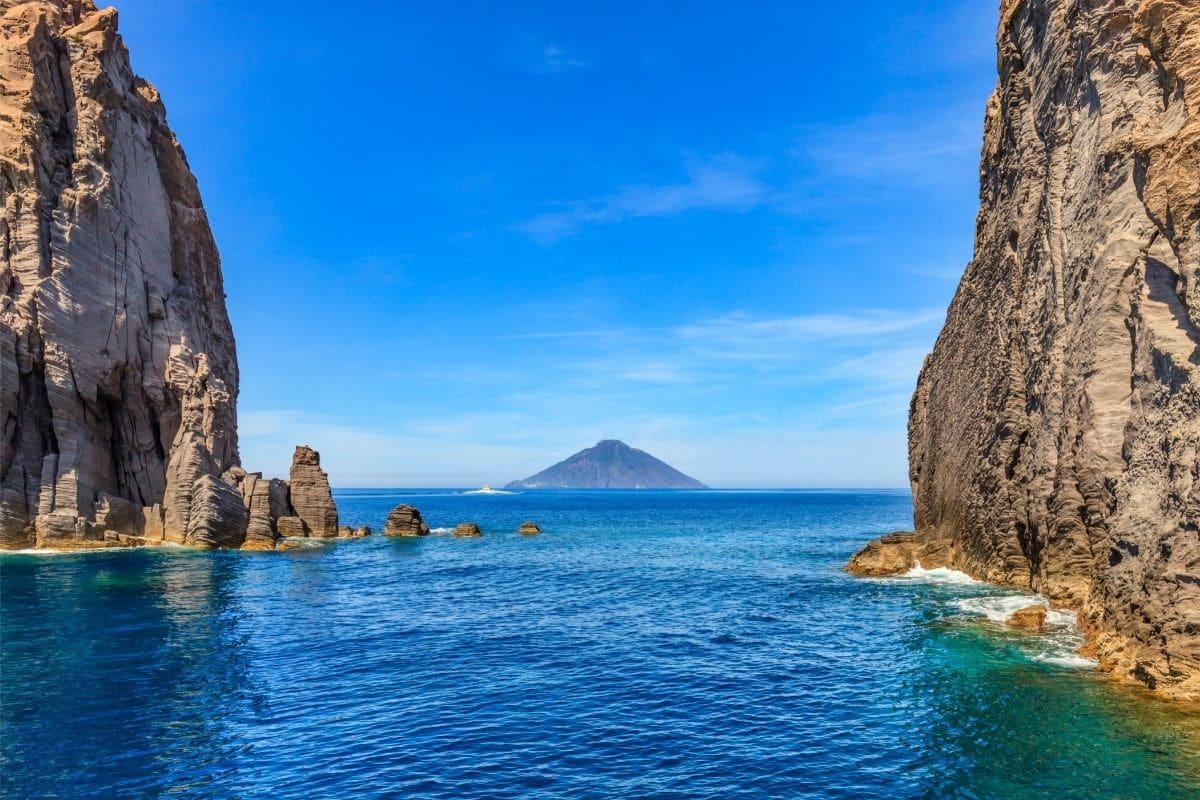
Located north of Sicily in the Tyrrhenian Sea, the Aeolian Islands have risen from the sea through volcanic eruptions over the past 200,000 years. This archipelago, surrounded by small islands and basaltic rocks, is well known to geologists and volcanologists, who have frequently visited it to study its rocks over the last two centuries. In fact, the Aeolian Islands mark the separation between the African and European plates, which can be recognised by their alignment!
It is possible that the islands were once inhabited by prehistoric humans, as evidenced by the artefacts found in the archaeological sites of Lipari. However, it is likely that the settlements there were destroyed after particularly violent volcanic eruptions in 1250 BC and 1500 BC, forcing the inhabitants to abandon their homes and flee to Sicily or other parts of Italy.
10. Lipari, for adventure lovers

Lipari, the largest island and a popular tourist destination, has much to see. The beautiful beaches of Canneto, Acquacalda and Valle Muria are a must-see, or visit one of the many pumice quarries.
The town of Lipari is the main port and town, and contains the archaeological museum of Aeolian antiquities, the monastery of St Bartholomew and a castle overlooking the sea.
The other islands are also worth a visit: Panarea, with its affluent crowd, will also please you, or if you are looking for something quieter, check out Filicudi and Alicudi. Salina is known for its Malvasia vineyards, so wine lovers will be pleased. If you like adventure, head to Vulcano for fumaroles, mud baths and hot springs. Or head to Stromboli, where you can witness an eruption!
A TIP
Lipari, the largest island and a popular tourist destination, has much to see. Panarea with its affluent crowds will also appeal, or if you're looking for something more tranquil, check out Filicudi and Alicudi. Salina is known for its Malvasia vineyards, so wine lovers are in for a treat. If you like adventure, head to Vulcano for fumaroles, mud baths and hot springs. Or go to Stromboli, where you can watch an eruption!
11. Polignano a Mare, a great place for scuba diving
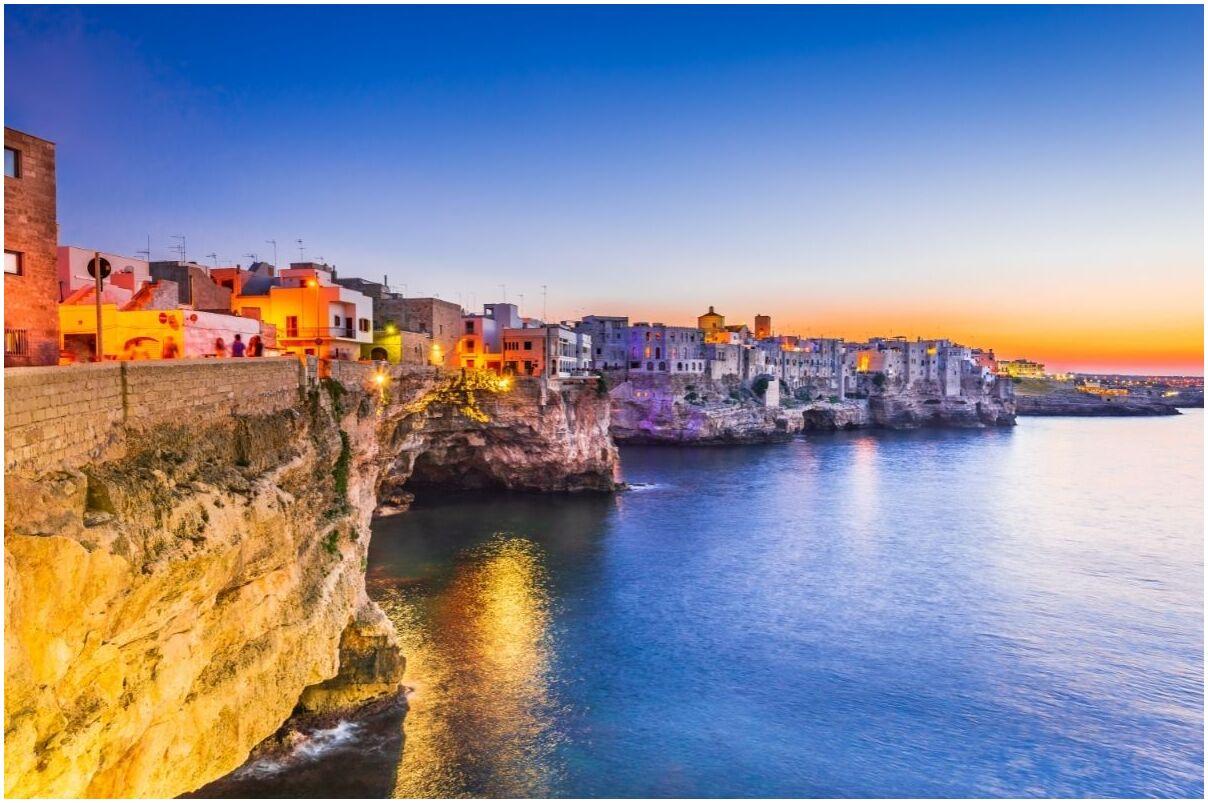
Polignano a Mare is a coastal village in Puglia, Italy, located on the Adriatic Sea. The town is famous for its cliffside houses built where the limestone meets the water. This unique setting offers picturesque views from many parts of the town and is an ideal place for scuba diving.
Polignano a Mare has had some notable residents. The town's most famous son is Domenico Modugno, who brought international fame to Polignano when he sang "Nel Blu Dipinto di Blu" ("Volare") in 1958. His statue stands at the entrance to the historic town centre, which was built on a limestone outcrop overlooking the sea.
The town was founded by Greek settlers in the 6th century BC and named after a local chief called Polinio. Later it was conquered by the Romans and then the Goths before being annexed to the Kingdom of Sicily in 1131. The castle was built at this time but was destroyed by an earthquake in 1646; only its foundations and part of a tower remain today.
A TIP
Polignano a Mare is an excellent base for exploring the many charming towns in Puglia, including Alberobello, where you can see the trulli (ancient conical-roofed houses).
12. Discover the archaeological monuments in Otranto
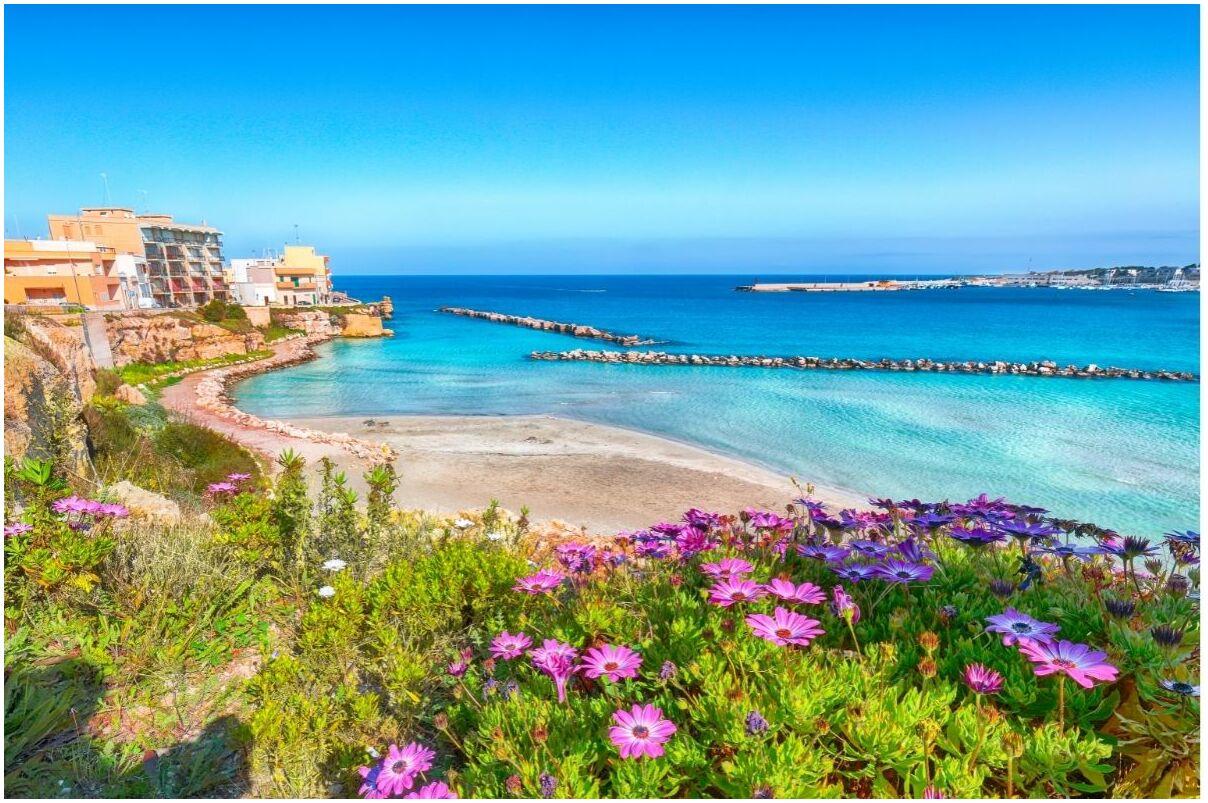
Today Otranto is a picturesque town with white houses reflected in the translucent waters of the Ionian Sea. From the end of the promontory, the view is unforgettable: on one side of the horizon you can see Greece, on the other Albania and Corfu. The city is a real open-air museum: many monuments bear witness to its long history.
Originally a Greek colony, named Hydruntum, it opposed Rome during the wars of Pyrrhus and Hannibal. It was then ruled by Romans, Byzantines, Saracens and Ottomans, as well as by Napoleon's troops.
In Otranto there are many places to visit, such as the cathedral with its mosaics and the walls surrounding the Castello Aragonese fortress. One of the most evocative places in Puglia is undoubtedly Punta Palascia, an imposing lighthouse built at the end of 1862 on an imposing cliff surrounded by sea and nature.
A TIP
Travel to Otranto by train from Lecce.
13. Numana, a charming seaside town to discover
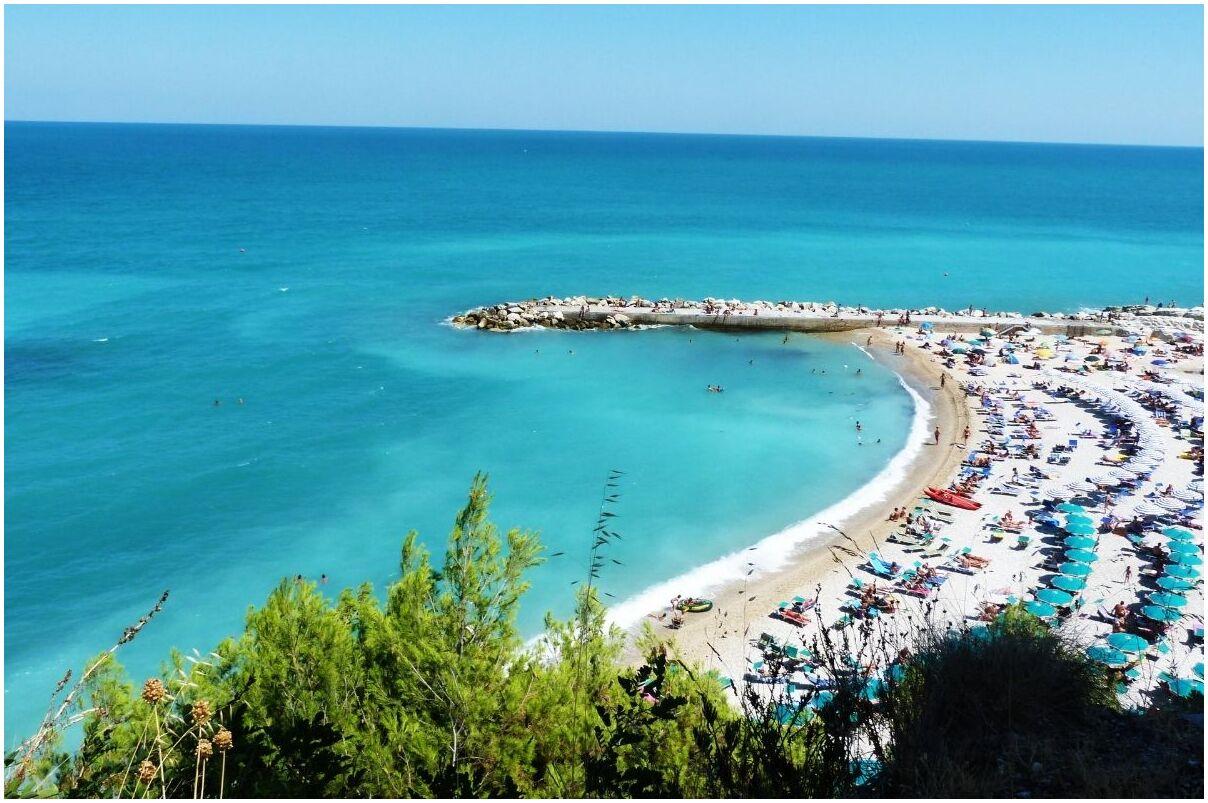
One of the lesser-known seaside towns in the Adriatic, Numana is an ideal destination for travellers who like to explore destinations off the beaten track. Located in the Marche region, the town is quieter than some of the more popular northern seaside resorts - Rimini and Ravenna - but just as beautiful. The Marche region is famous for its rolling hills dotted with vineyards and olive groves, and for its magnificent views of the Adriatic Sea.
Numana has a rich history, which began in ancient times when it was called Humana. The small town was later designated as a bishopric, and the mayor's palace (which still exists today) was once the residence of the bishops. Today, this building hosts exhibitions on the history of Numana.
Although the Marche does not attract as much tourist attention as neighbouring regions such as Umbria and Tuscany, which are known for their art, this underrated region offers stunning scenery that you won't want to miss.
A TIP
Ancona is the nearest big city and another charming seaside town to discover.
14. If you love the sea, you'll love La Maddalena
This is a small town in the north-east of Sardinia, Italy. It is also the largest town on the island of La Maddalena, which is part of an archipelago called "La Maddalena". The archipelago consists of seven islands and several smaller ones, including the island of Caprera. La Maddalena is famous for its beautiful beaches and granite rocks that create a breathtaking landscape.
The old town has all the charm of a historic Italian village, with its pale yellow and orange buildings and narrow streets where people meet for a drink or a meal. The island of Caprera is the last home of Giuseppe Garibaldi, an Italian revolutionary who died in 1882. History buffs will enjoy visiting his grave (although his body was exhumed in 2012 for DNA analysis).
INSIDER TIP
La Maddalena can only be reached by a ferry that leaves every half hour from Palau.

15. Enjoy Alghero's famous local dishes
The charming town of Alghero, on the northwest coast of Sardinia, is just a short drive from the airport. This red-roofed town, surrounded by medieval walls and dotted with palm trees, is home to ancient churches and palaces. Its location makes it a good base for exploring northwest Sardinia.
Alghero was once an important commercial centre and remains a busy port. Within its walls are shops, restaurants and cafes, but the focal point of this charming town is the sea. There are many pebble beaches in the vicinity of the town and several others are easily accessible. You can swim here or take boat trips to hidden coves or offshore to scuba dive or snorkel on the reef or look for dolphins and whales.
As well as its proximity to many beaches, Alghero is also a great place to shop, eat and drink. Two popular streets are Via Carlo Alberto (in the new part of town) and Via Sassari (in the old part). Both are full of bars and restaurants where you can relax with a drink or enjoy local specialities such as fregola con arselle (a type of pasta with mussels), brodetto alghere (a dish made with olive oil), water game and seafood.
A TIP
You should visit the Neptune Grotto with a guide; tours are offered on the hour and you can reach the grotto by land or by boat from the port of Alghero.
16. Escape to the peace and quiet of Punta Ala
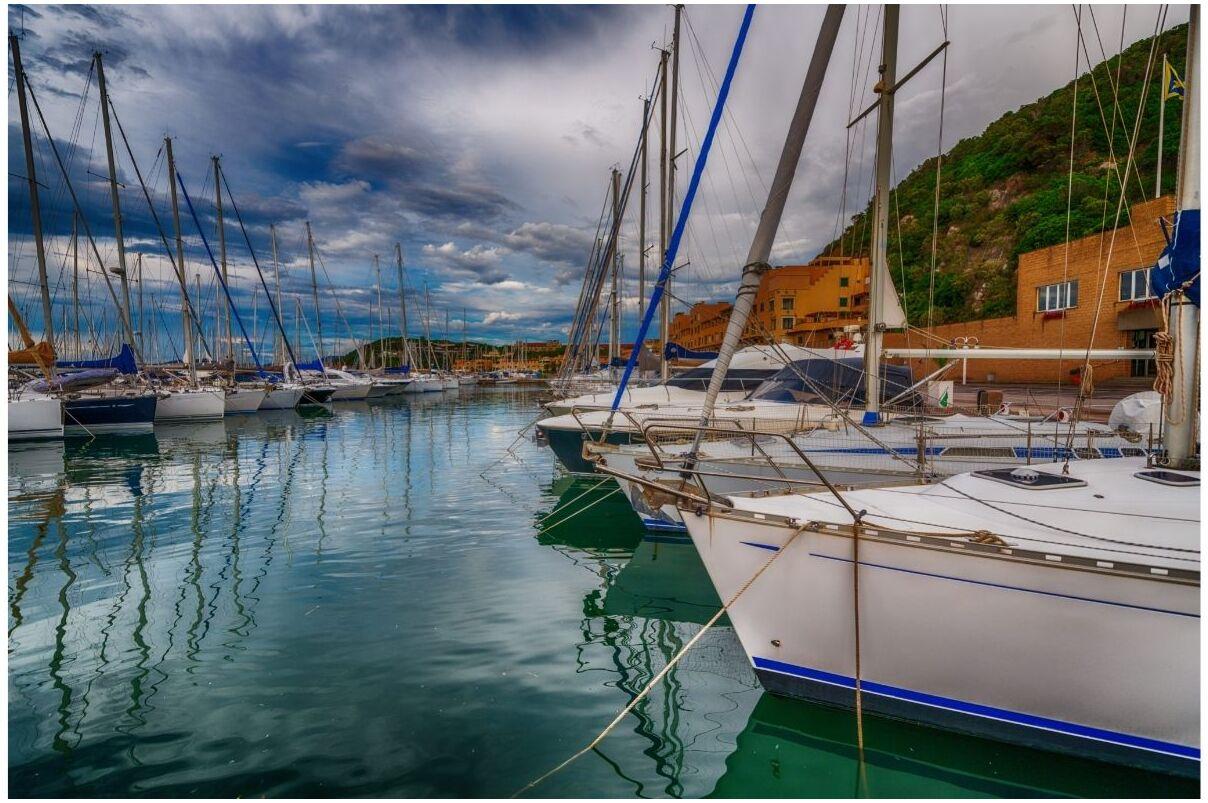
Punta Ala is a small town in the Tuscany region of Italy, often overlooked by tourists venturing to the more popular cities of Florence and Rome. Yet this coastal town can offer everyone an escape from their hectic lives with its pristine beaches, luxurious villas and surprisingly authentic seafood cuisine.
Located on the Mediterranean Sea, Punta Ala is only accessible by car, which deters many travellers. As a result, the town remains relatively untouched by tourism compared to other Italian destinations. The white sandy beaches are not crowded, and you can often find yourself walking along the shore alone.
Punta Ala's climate is very mild all year round, which contributes to its popularity with locals. For eight months of the year, the average temperature is between 66 and 86 degrees Fahrenheit. This means you are never limited to a specific time to visit; however, if you are looking for warmer temperatures, consider coming during the months of June through August (which is also high season).
If you've never been to Punta Ala, it's important to know that there isn't much for tourists to do besides beach activities and restaurants. The best part of this place is its quietness.
A TIP
If you can tear yourself away from the beach, it is worth visiting some of the best wineries in Tuscany, such as Rocca di Frassinello.
17. Tropea, the succession of civilizations before your eyes
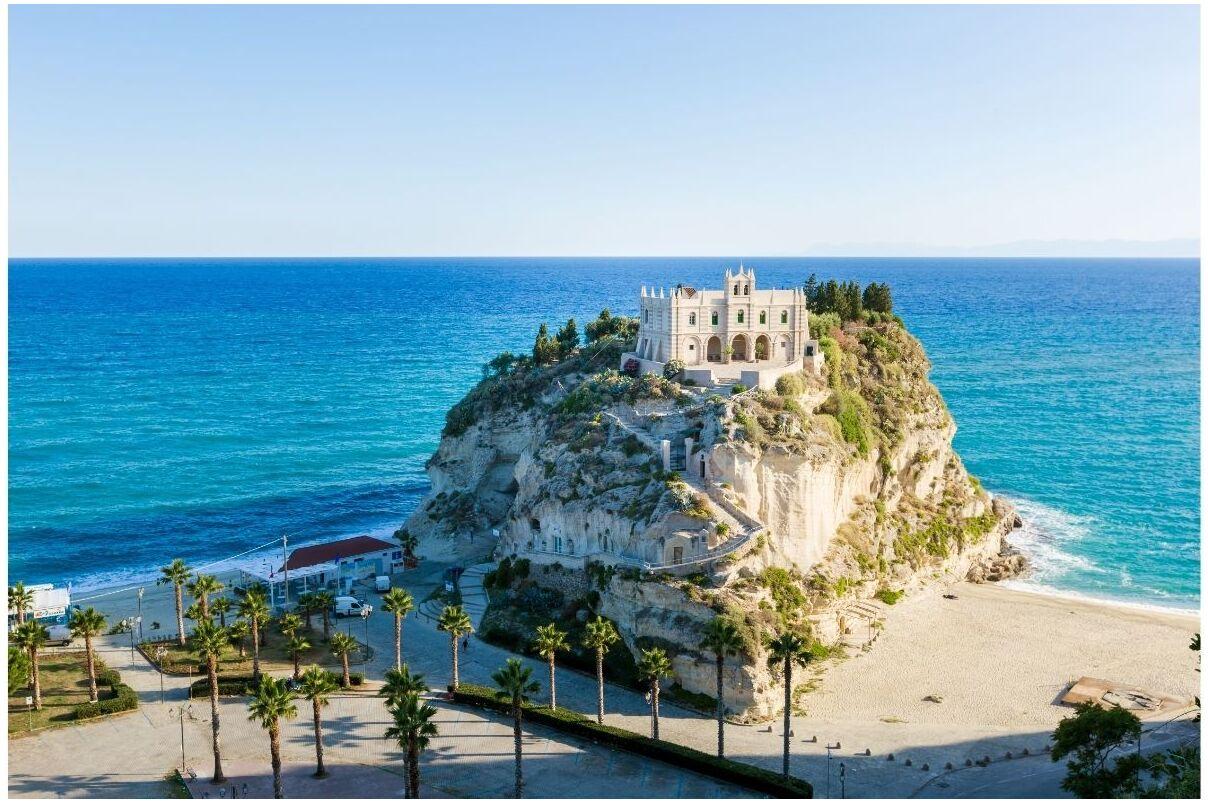
Tropea is a seaside town in the Calabria region known as the Coast of the Gods. With its beautiful beach and charming historic centre, it is a popular tourist destination, especially during the hot summer months when travellers from all over Europe flock to its shores.
The historic centre is situated on a rocky outcrop overlooking the Tyrrhenian Sea. The view from here is magnificent, with the jagged cliffs of Capo Vaticano visible in the distance and a glimpse of the Aeolian Islands.
Tropea has much to offer visitors: a deep history that includes Roman amphorae, Byzantine mosaics and Norman-style churches; charming piazzas and narrow streets; a picturesque beach of white sand and clear blue water; good food and wine (Tropea's onions are said to be among the best in Italy).
But what really makes Tropea special are its people - they are friendly and welcoming, always happy to talk about their town with visitors. In fact, it's easy to feel like one of them after just a few days!
A TIP
Tropea's red onions are known throughout Italy for their sweet taste. In July, a sagra, or festival, is held to celebrate the onions with blue fish, another staple of the region's cuisine.
18. Levanto, beautiful sea views
Levanto is a beautiful town, but it is best known as the northernmost town in the Cinque Terre. A collection of five seaside villages linked by 160 km of hiking trails. It is also a popular starting point for those who want to hike in the Cinque Terre or visit one of the five villages in the national park, as it is much cheaper than staying in Monterosso al Mare or Vernazza.
If you're looking for an alternative to hiking, consider renting a bike and taking a ride along the Ciclopedonale Maremonti, which was built on an old railway line and connects Levanto to Bonassola and Framura. The path runs along the west coast of Italy for about 8 km and offers magnificent views of the Mediterranean Sea. You will also pass small beaches where you can lock your bike and take a dip in the water.
This trail is not only ideal for those who want to exercise while enjoying the outdoors, it is also a great option if you want to discover Italy but don't have time to stay in one place for long. As well as getting some fresh air and exercise, you'll have the opportunity to explore two other nearby cities.
A TIP
If you're hungry after cycling and swimming, head to La Picea for their award-winning Profumi Liguri pizza, which is topped with yellow and red cherry tomatoes, burrata, pesto and toasted pine nuts.
19. Taormina, a must-see destination
Taormina is a must-see destination if you are in Sicily. Just ask Guy de Maupassant, the 19th century French author, who stayed there.
It's no surprise that Taormina was one of Maupassant's (and our!) favourite destinations. The views are breathtaking, whether it's of Isola Bella or Mount Etna. It is said that if you stare long enough at Isola Bella, you will see a mermaid appear. If not, don't give up hope, take the cable car and go for a swim.
Taormina is also home to an incredible ancient amphitheatre. Even today, musicians perform there under the stars all summer. The only thing better than seeing a show in this theatre is seeing a show in this theatre against the backdrop of Mount Etna and a whole summer of incredible concerts.
A TIP
Taormina is accessible by train. Take a taxi or bus to the town above. You can buy tickets at the station bar or directly on board.
20. Visit San Vito lo Capo
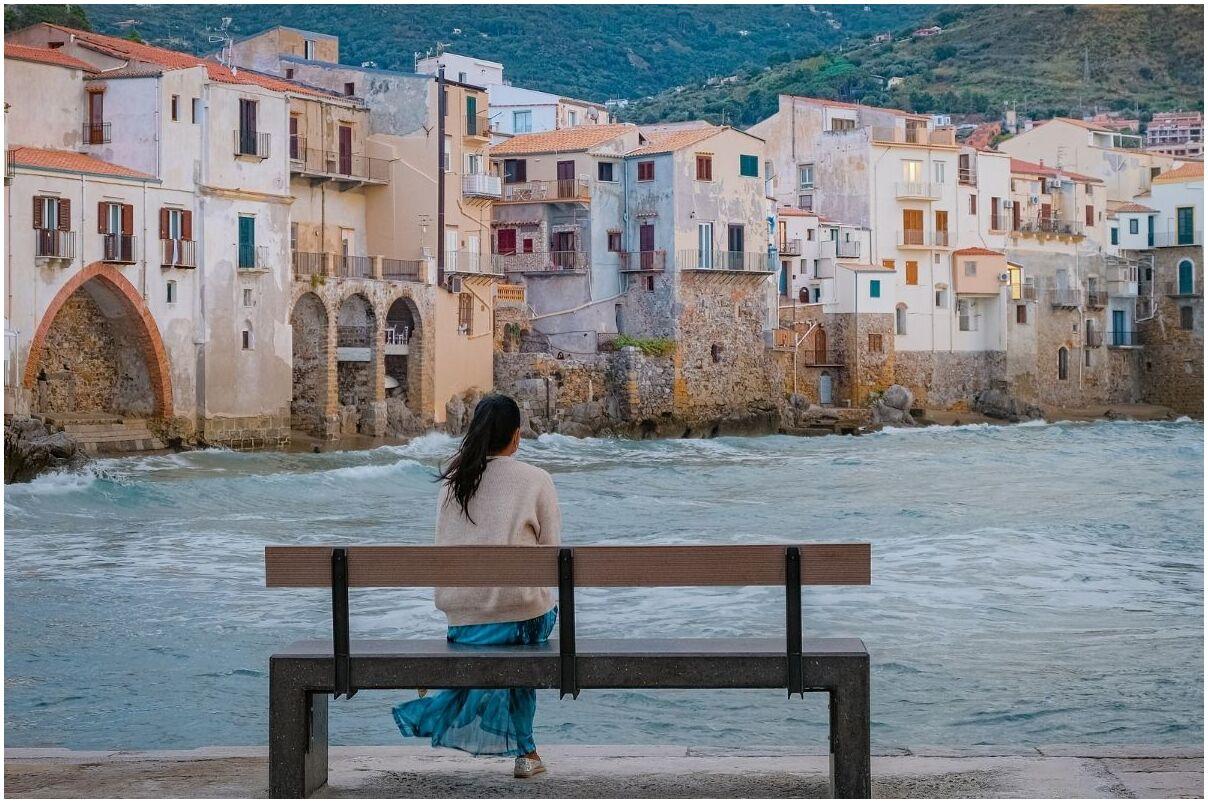
San Vito lo Capo is a seaside town on the northwest coast of Sicily, Italy. It is known for its sparkling sea views, crystal clear waters and white sand. It is also known for its annual Couscous Festival, held each September to celebrate the diversity of the region's culture and cuisine.
If you want to see ancient ruins while splashing around with your friends, head to the Tonnara Del Secco (tuna factory). The tuna factory has been producing fish since the 1400s and was one of the most important tuna ports in Europe. There are still tons of old buildings and machinery that make for a fun day exploring the history of this town.
And if you're looking for a new Instagram post that will have your followers asking where exactly you are, stop by the working lighthouse in San Vito lo Capo. This lighthouse is not only functional, it's also a beautiful piece of architecture. It's a great place to take photos.
A TIP
If the beach at San Vito lo Capo is crowded, spend a day in the nearby Riserva dello Zingaro, a nature reserve where you can hike to more secluded beaches.
21. Procida, the most famous of the Amalfi Coast
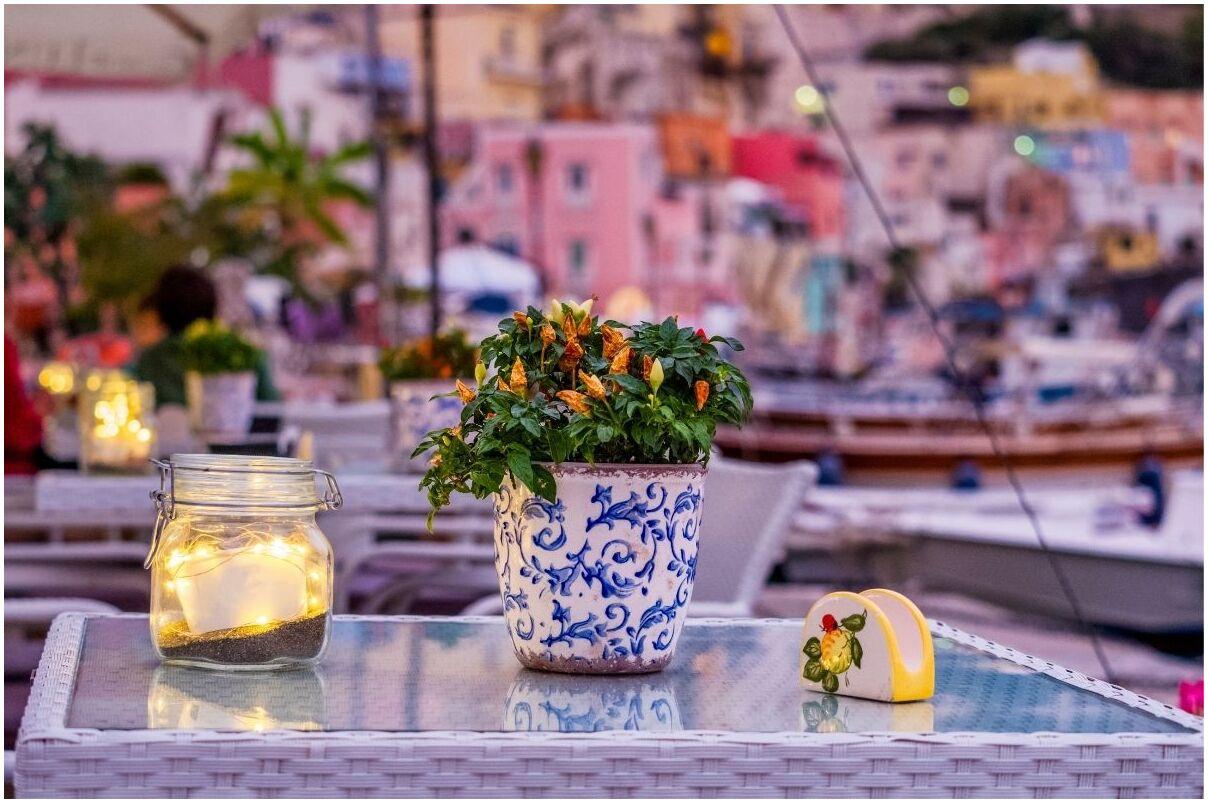
Procida is one of the smallest islands in the Bay of Naples, with an area of just over four square miles. It is not one of the most famous places on the Amalfi Coast, but it should be. Once you set foot in the town; you'll discover that its many neighbourhoods and small villages are bursting with creativity and art. In fact, you may recognise it from a few classics: Il Postino was filmed here in 1995 and, more recently, The Talented Mr Ripley was also filmed here in 1999. Both Luhrmann's new film and Ripley were shot in Marina Corricella, which is lined with pastel-coloured houses and has become Procida's most famous village (and its largest).
Procida is so different from Capri and Ischia - the other two islands off Naples - that it feels like a completely different world. It is much smaller than those two islands, but it is still big enough to offer a full range of activities to keep visitors entertained. It's not difficult to find accommodation if you're staying overnight; and travelling between Procida and other parts of Italy is easy as ferries run frequently throughout the year.
A TIP
You can reach Procida by ferry from Naples, from the nearby town of Pozzuoli or from Ischia.
conclusion
Italy's seaside towns are famous for their picturesque landscapes and warm climate; most of them are located on the coast of the Mediterranean Sea; which is considered one of the most beautiful regions in the world. The climate is temperate and semi-arid, with little rain during most of the year. The average summer temperature in Italy is around twenty-five degrees Celsius; making it a popular holiday destination for people from all over Europe and even North America.
Related articles
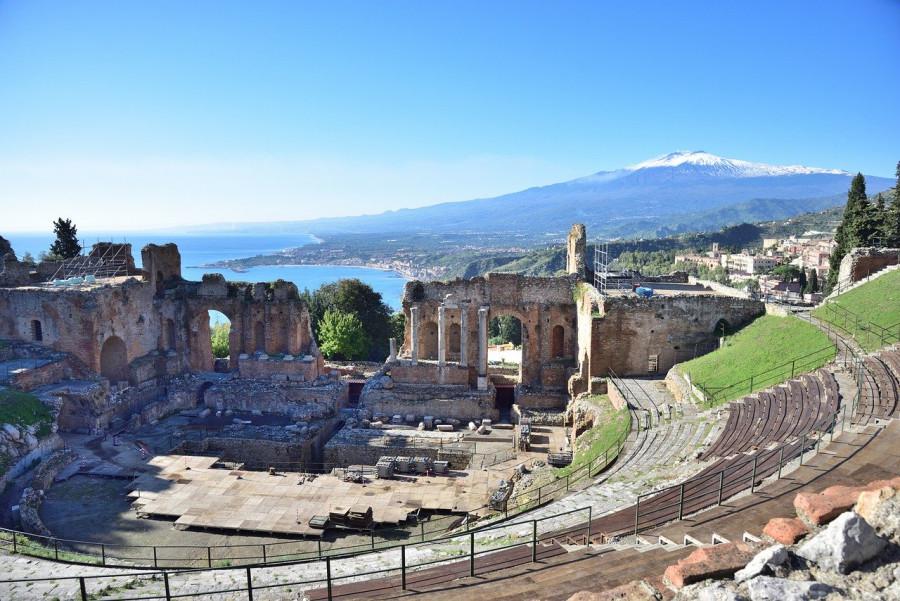
Top 10 Places to Visit in Sicily in 2024
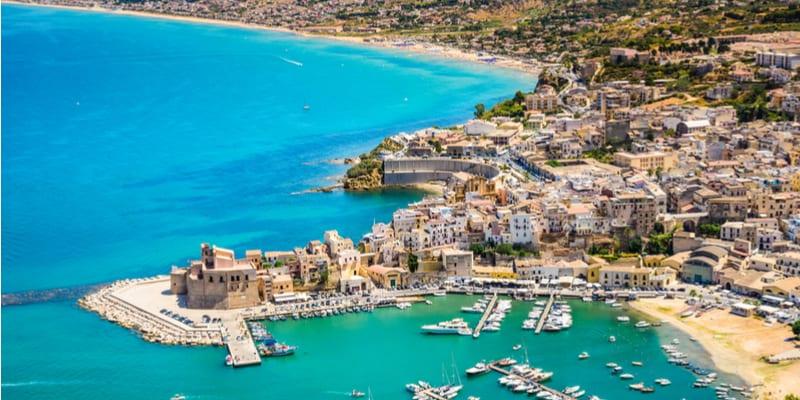
What to See in Sicily: Best Destinations and Most Beautiful Destinations
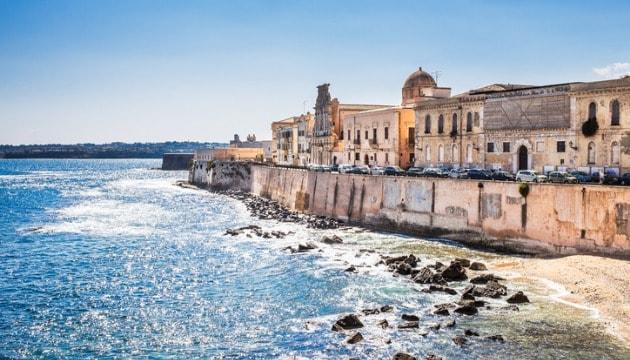
Syracuse, What to Do and See Between Sea and Beaches
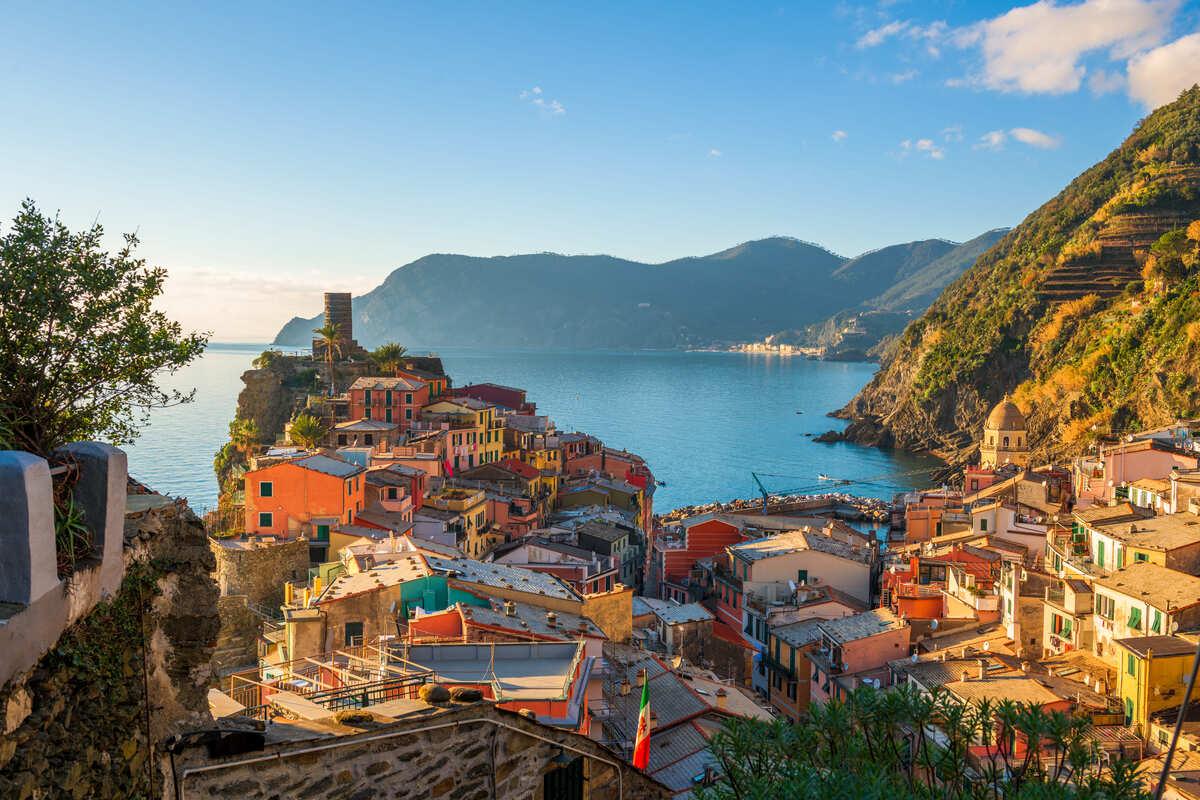
What to do in La Spezia near the Cinque Terre in Italy
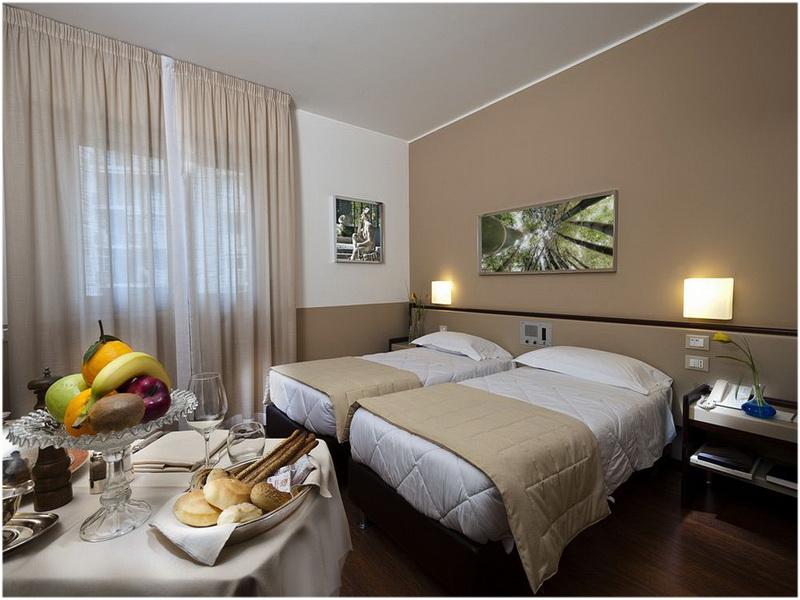
Hotel Torreata Residence, Palermo, Italy
When to go to Thailand?

Maldives: information and travel ideas