Extract from the Cartoville Dubai guide
Al Bastakiya / Al Shindagha
Two restored districts, with emblematic Gulf architecture: coral walls and ingenious wind towers. Capturing and cooling the air, these constructions indicated, according to their number, the wealth of the owners. In some houses, the arcades of the inner courtyards provided additional ventilation.
Souks
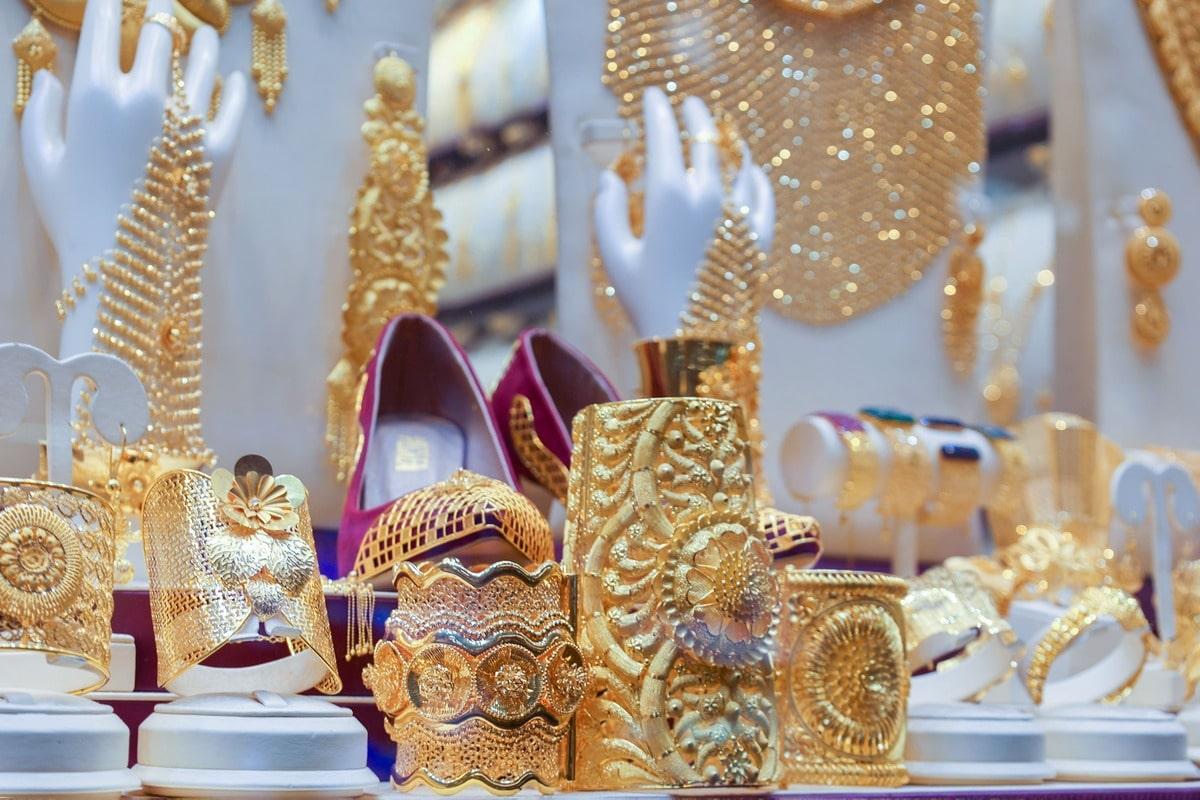
Gold necklaces, Iranian carpets, juicy dates, myrrh and saffron... In Deira, which already had 240 shops in 1910, the souks plunge the visitor into a world of a Thousand and One Nights. On the Bur Dubai side, rolls of fabric are piled up to the ceiling.
Dubai Creek
Extract from the Cartoville Dubai guide
Al Bastakiya / Al Shindagha
Two restored districts, with emblematic Gulf architecture: coral walls and ingenious wind towers. Capturing and cooling the air, these constructions indicated, according to their number, the wealth of the owners. In some houses, the arcades of the inner courtyards provided additional ventilation.
Souks
Gold necklaces, Iranian carpets, juicy dates, myrrh and saffron... In Deira, which already had 240 shops in 1910, the souks plunge the visitor into a world of a Thousand and One Nights. On the Bur Dubai side, rolls of fabric are piled up to the ceiling.
Dubai Creek
A natural shelter, this 15-kilometre-long arm of the sea has shaped and accompanied the history of Dubai: as early as the 3rd millennium BC, it served as an anchorage for the first seasonal fishermen. In the early 20th century, the port flourished as the first home of the Gulf's dhows. These small sailing boats exported pearls and dried fish, and brought sugar cane from Africa and grain from India. Merchants built opulent houses along the Creek (in Al Bastakiya, for example), while fishermen opted for the proximity of the mouth, in Al Ras and Al Shindagha. After the pearl industry crisis in 1929, the port diversified its activities. Today, in the age of globalisation, Port Rashid and Port Jebel Ali (on the road to Abu Dhabi) have largely replaced the dhow quay.
Jumeirah
Since the introduction of Islam by the Umayyads in the 7th century and the conversion of nomadic farmers, Jumeirah, the "Burning Embers", has changed a lot: beauty salons, mini-malls and villas decorated with bougainvillea. The "Jumeirah Janes", expatriates' wives, are the queens of the sector, cruising in king-size Land Rovers between their marital homes and those of other desperate housewives.
Sheikh Zayed Road
"Build and they will come," predicted Sheikh Rashid in the mid-1970s. From the top of the Office Tower, where he has an office, his son, Sheikh Mohammed, can now measure the work accomplished: the towers are visible as far as the eye can see! Since the inauguration of the World Trade Centre in 1979, Dubai's longest thoroughfare (55 km in the emirate) has become a favourite playground for architects: illuminations, asymmetries and height records put the most daring skyscrapers in competition!
Burj Khalifa
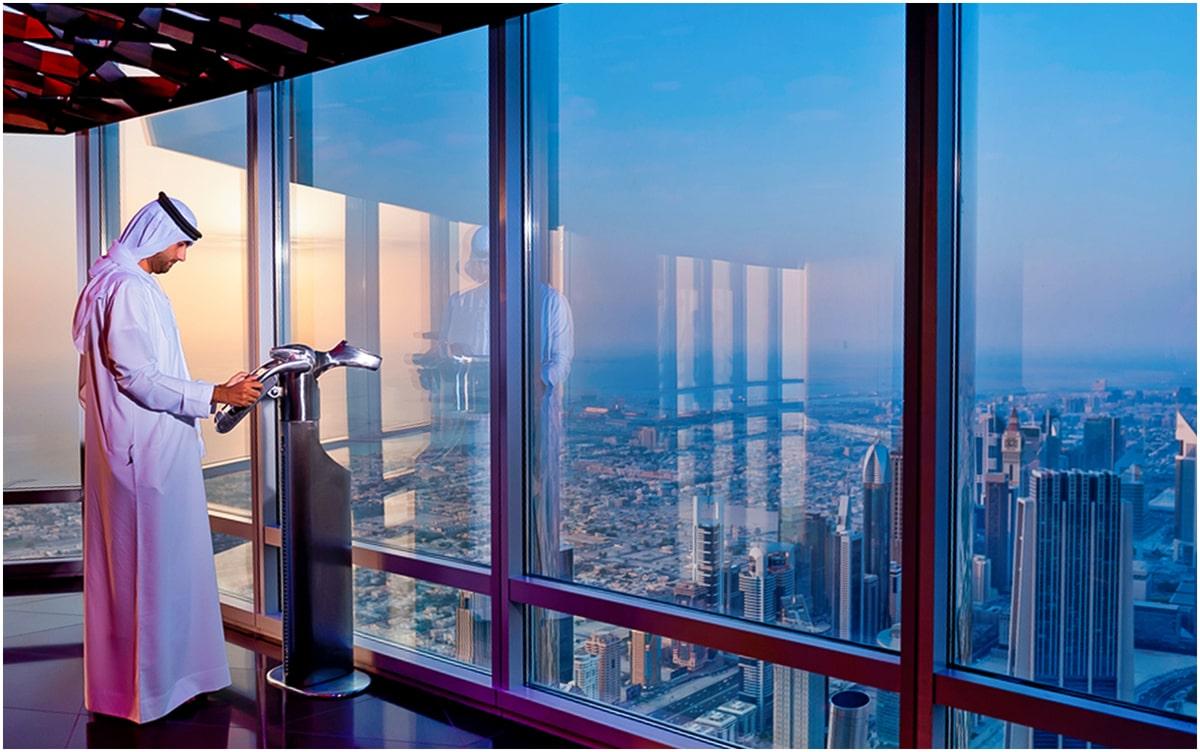
Inspired by the Emerald City in The Wizard of Oz and the Hymenocallis, a desert flower, this is the skyscraper of all records! 828 m high, 200 floors, 160 of which are habitable, 57 lifts moving at 10 m/s, but also... 3€ per day for each of the 8,000 workers. After the highly publicised strike in March 2006, the world became aware of the working conditions imposed on the immigrants called to work on the Dubai construction sites, and the authorities had to review their employment conditions, which have since improved slightly. Designed by Adrian Smith, the Burj Khalifa houses offices, housing and the luxurious Armani Hotel.
Old Town / Madinat Jumeirah
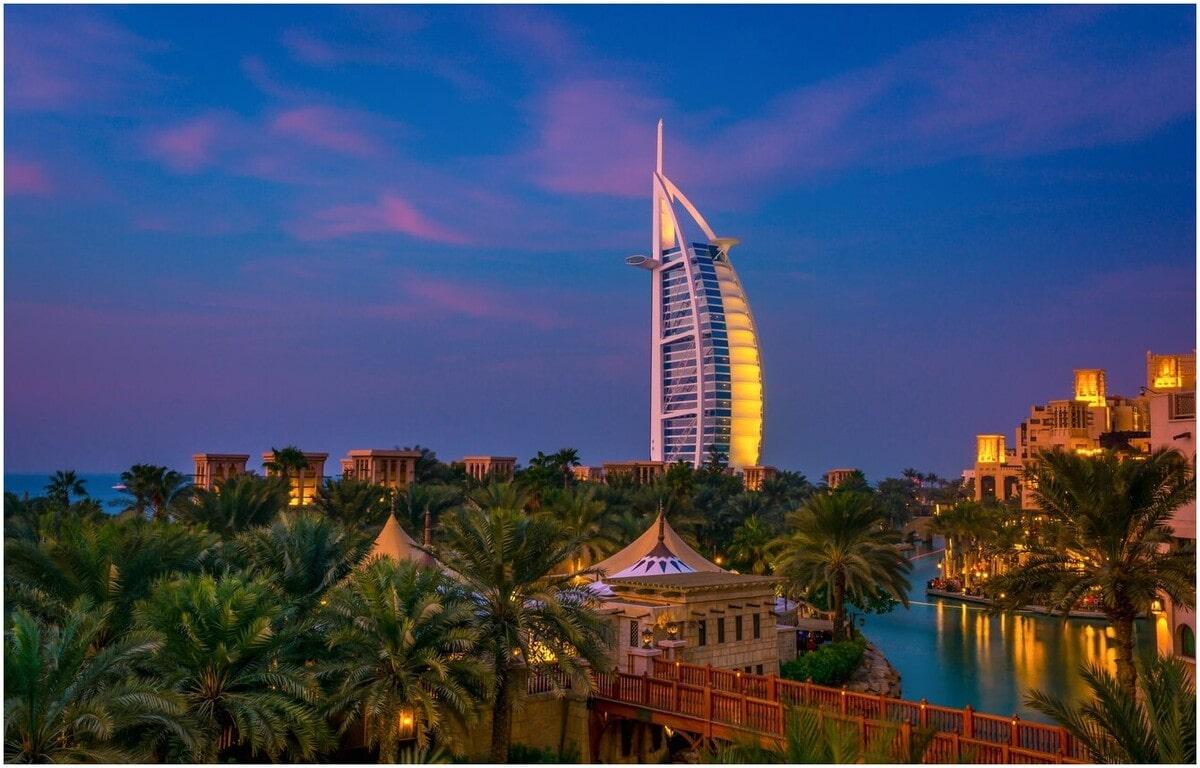
The Old Town and Madinat Jumeirah peninsulas compete with each other in terms of creativity: imitation coral walls, crystal-clear water pools, sculpted colonnades, pergolas and moucharabiehs that would make the emirs green with envy.
Burj al-Arab
An icon! During the day, its fibreglass and Teflon facade stands out against the blue sky; at night, it is adorned with a play of light. Inside, white gives way to glitz, flashy for some, grandiose for others. But the 8,000m2 of gold leaf and the low-angle view of the floors leave no one indifferent.
Dubai Marina
200 towers, most of which are over 250 m tall, glitter in the night around a busy channel during the day: tourist dhows, boats returning from a race, yachts parading. On the seaside, hotels jostle to conquer the waterfront, in the shadow of ever taller and crazier postmodern skyscrapers: in 2012, the Princess Tower (414 m) became the highest residential tower on the planet. Not far away, the Infinite Tower rotates 90 degrees. On the JBR Walk, you can rediscover the art of window shopping in the open air!
The Islands
A minimum of land area for a maximum of beaches: before being symbolic, the choice of the palm islands was practical! In total, the Jumeirah, Jebel Ali and Deira palms were to increase the coastline by more than 500 km and accommodate 3.5 million inhabitants! While the first is inhabited, the other two, as well as The World and The Waterfront, remain unfinished.
Extract from the Cartoville Dubai guide
Bur Dubai
The cradle of the city, Bur Dubai, the left bank of the Creek, has kept its elegant coral houses with wind towers. Between Al Shindagha, to the north, where the cool of the evening attracts families and couples to the terraces of the shisha cafés, and Al Bastakiya, to the south, full of charming shady courtyards, are the teeming streets of Al Souk al-Kabeer: Indian haberdasheries, leather goods and electronics shops in tight rows. Near the abra pier, which runs non-stop to Deira, the picturesque stalls of Bur Dubai Souk and Hindi Lane maintain the unchanging atmosphere of the ancient pearl city.
Deira / Dubai Creek (Khor Dubai)
Say 'souk' and you'll hear 'Deira'! Gold and spice markets, historic malls and bazaars: on the right bank of the Creek (khor in Arabic), "business" is not an empty word! From its historic peninsula, which lives to the rhythm of the muezzins' singing, Deira stretches south to the green lungs of the inlet: Creekside Park and the Creek Golf course, with its beautiful terraces with a view. Halfway there, the colourful and congested streets of Al Sabkha, where the scent of shawarma wafts, give way to the austere boulevards of Al Rigga, which are teeming with budget hotels.
DIFC / Jumeirah 1
Past the Karama district, with its stalls, shimmering saris and Bollywood dreams, the World Trade Centre marks the beginning of the modern city. At the end of the 1970s, Sheikh Rashid, aware that oil would not last forever, focused on finance, tourism and leisure. Sheikh Zayed Road, the symbol of this new impetus, now boasts glass and aluminium towers, teeming with white-collar workers, and where the sound of clinking glasses can be heard at night. On the seaside, Jumeirah, with its beaches, villas and fashion boutiques, dreams of being the Venice Beach of Arabia.
Burj Khalifa / Jumeirah 2 and 3
Seen from afar, it relegates the neighbouring towers to anonymity; from its observation platform, the city stretches as far as the eye can see: the Burj Khalifa, symbol of Dubai's vitality, defies gravity at a height of over 800 m! 200 floors below, the eyes sparkle at the fairytale dance of Dubai Fountain, the new generation palaces of Old Town and the record-breaking Dubai Mall. To the west, after Safa Park and the Jumeirah archaeological site, you find Jumeirah Road, which continues its path between trendy bars, posh clinics and golden beaches.
Burj al-Arab / Al Quoz
Ten years before the construction of the Burj Khalifa and the Dubai Mall, an area much further away from the historic centre was built, opening the doors of Dubai to mass tourism: with the inauguration of the Burj al-Arab, the "world city" was born. Today, a mock-fortress of kings (Madinat Jumeirah) and a water park with record-breaking slides rise above the rooftops of Umm Suqeim and Al Sufouh, expatriate strongholds. From 360° - an island bar! -the golden youth watch the coastline glisten. To the east, the gigantic Mall of the Emirates rubs shoulders with the warehouses of Al Quoz, a district invested by art galleries.
New Dubai / Business Bay / Festival City
One step back, two steps forward. Slowed down by the crisis but not cooled down for all that, the city is continuing its colonisation of the desert, even if it means giving up a few follies: Hydropolis, the underwater hotel, and Nakheel Tower, the 1,400 m tower, have been rejected in favour of Festival City, Business Bay, and above all New Dubai, where the marina is expanding without any complex. The marina is full of palaces and trendy beach bars and faces the fabulous Palm Jumeirah. To the south of Sheikh Zayed Road, money sows the sand and gives life, here and there, to a golf course, a residential complex and an amusement park. In Meydan, the racecourse reminds us of the passion of the Dubai people for horse racing.
Related articles
Hotel in Dubai, luxury and entertainment guaranteed in this top
The highest tower in the world: The Burj Khalifa in Dubai
Souk in Dubai: Top 6 and how to get there
New Year's Eve 2024 in Dubai: Tips, Events and Offers
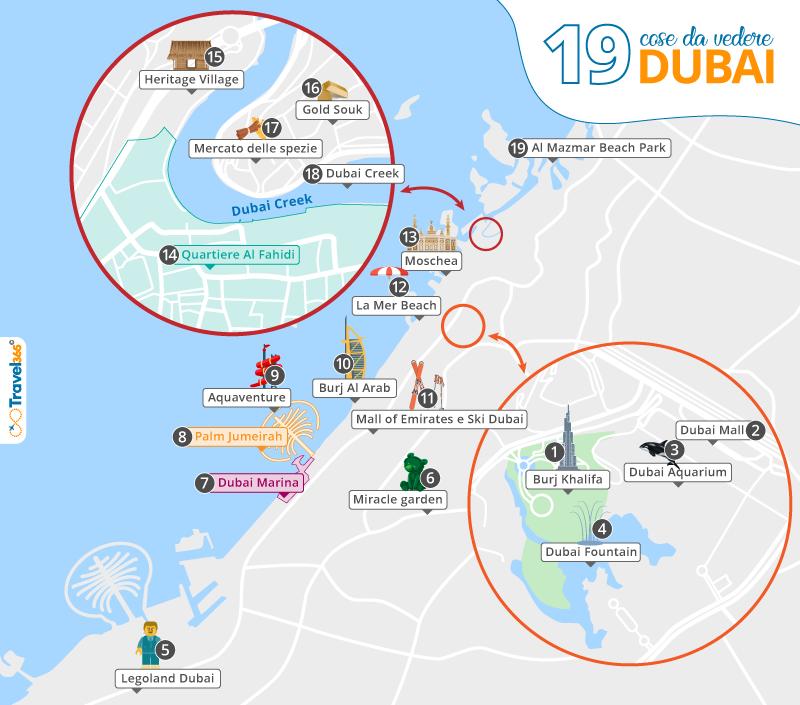
What to see in Dubai: 19 best attractions and things to do
When to go to Thailand?

Maldives: information and travel ideas