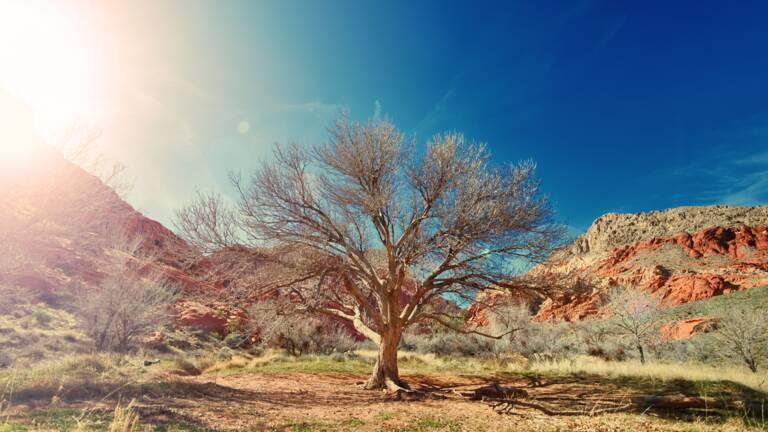
Travel to the Kingdom of Morocco and you will come into contact with thousands of years of history coexisting with the hectic lifestyle of the new millennium. Morocco combines old and new with freshness: from ancient medinas and Arabic dialects to chaotic cities like Tangier and the magic of modern cinema on desert film sets.
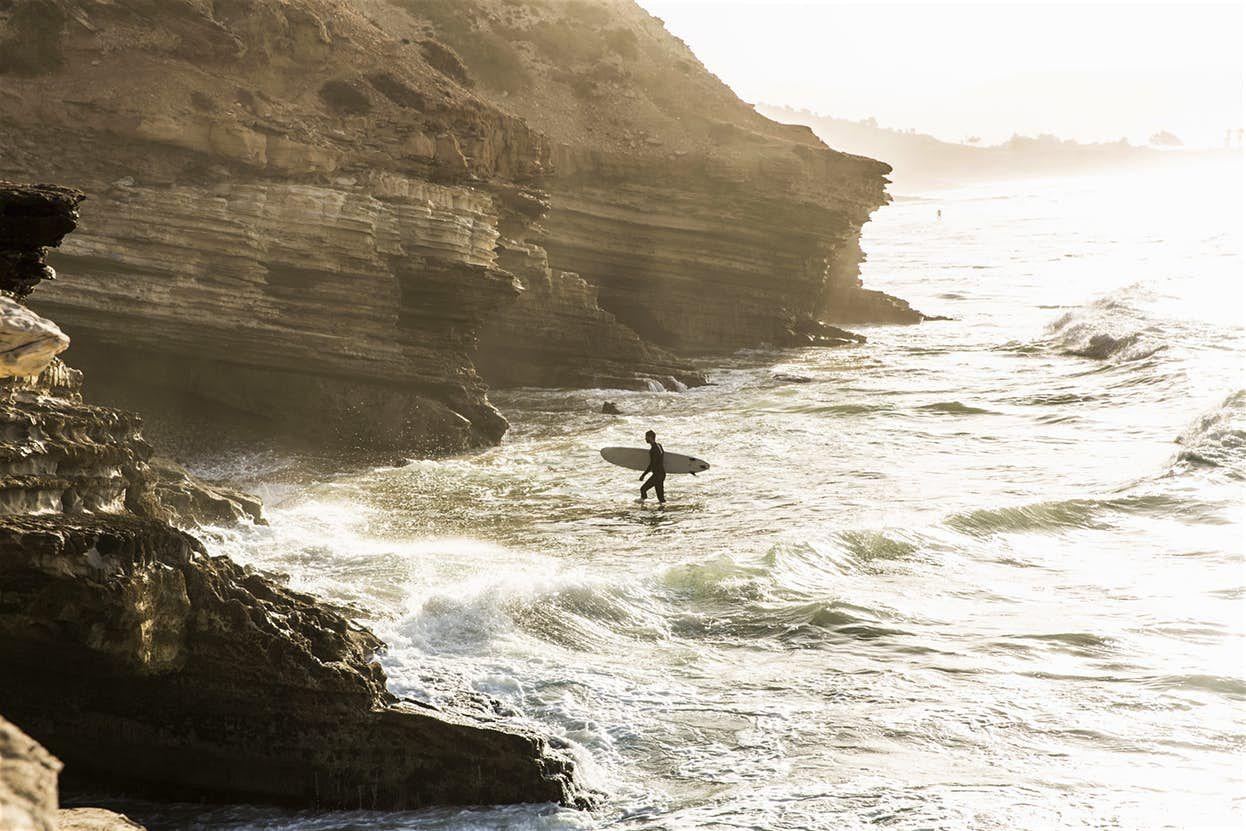
Morocco is perfect for all kinds of outdoor adventures like surfing in Taghazout ©Cultura RM Exclusive/Tim E White via Getty Images
Morocco remains at the top of the African continent, right next to the Iberian Peninsula. Moreover, it is the western border of the MENA (Middle East and North Africa) region, hence the meaning of the name. Morocco means 'the west', and similarly the country is the union of intersecting cultures and colliding geography in this corner of the world. Whether it is your first time in the Kingdom of the West or you are returning, you will always find something new to experience. Here are 10 of our absolute favourite experiences.
Outdoor enthusiasts will love the mountains, beaches and deserts
If you are the type of traveller who favours natural wonders, Morocco has a vast number of regions to explore, from the Atlas mountain range to the rock arch of Legzira Beach. You can hunt for fossils in the Sahara of the west or observe the unique ecosystems of the oasis near Ouarzazate in the south.
retrace the steps of the Greek demigod in the Caves of Hercules near Gibraltar or head to the Cave of Friourato to dive into an underground river in the Tazekka National Park east of Fez. You will see everything from goats perched high on olive trees to Cactus Thieman, the world's largest cactus farm north of Marrakech.

Moulay Ismail's mausoleum is famous for its ornate doors ©saiko3p/Shutterstock
The splendid tombs of Morocco
Morocco has been home to mankind for the last 300,000 years and, predictably, this long history has led to the construction of many tombs and cemeteries that are well worth a visit. Some are very sophisticated and beautiful, such as the luxurious Saadian Tombs or the Mausoleum of Mohammed V and the recently restored Mausoleum of Moulay Ismail. Others, such as the 14th-century ruins of the Merenid Tombs or the Miaara Cemetery - the largest Jewish burial site in Morocco - are fascinating places to learn more about Morocco's past and multiple cultures.
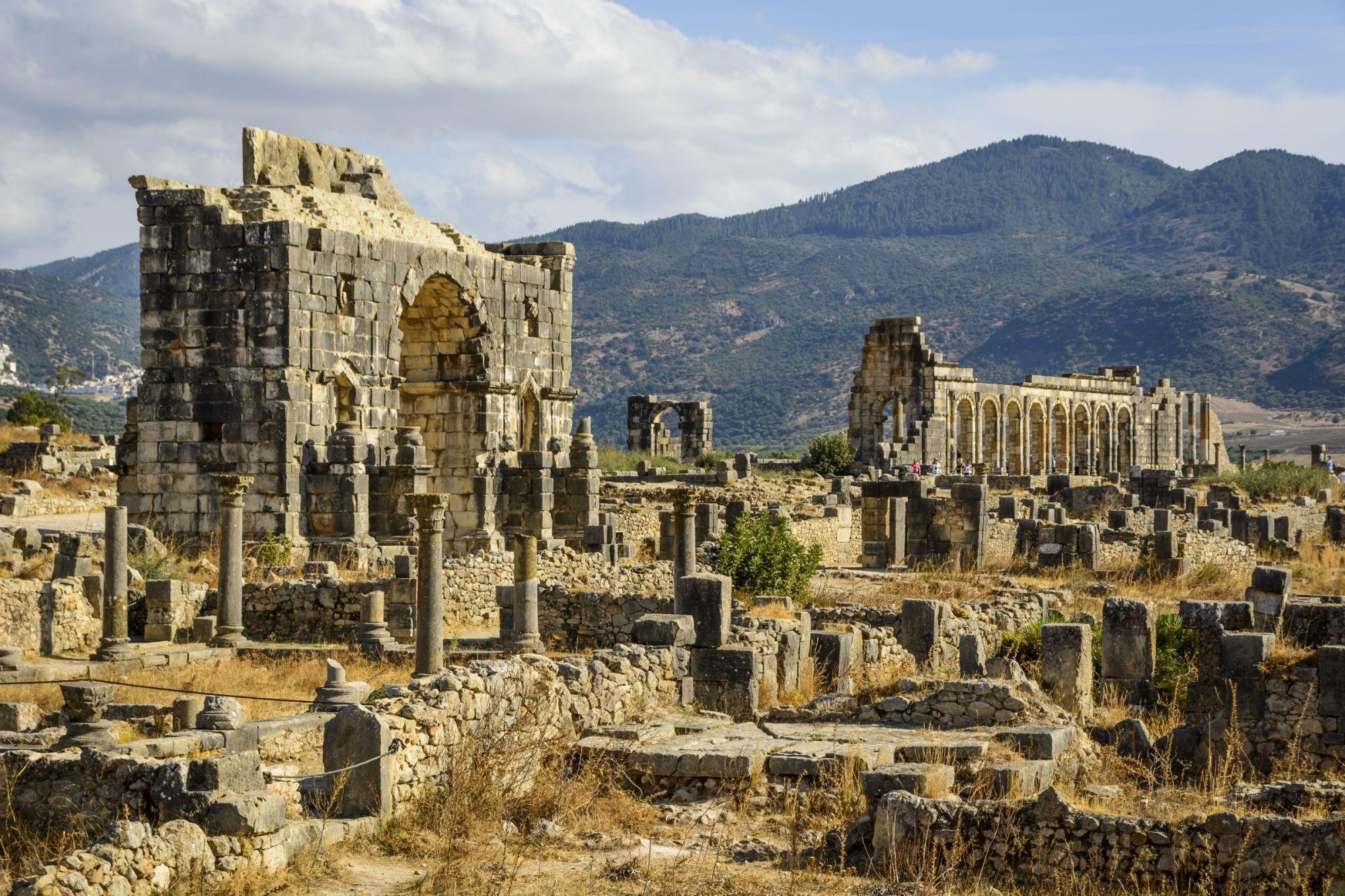
The importance of Volubilis grew in the 2nd century AD thanks to the olive groves but faded when Fez rose to prominence ©Deyan Denchev/Shutterstock
Ancient ruins
While cities like Tangier and Rabat boast contemporary wonders such as one of the fastest high-speed trains in Africa and the Mohammed VI Museum of Modern Art, you can never escape the past in Morocco. Not far from the city of Meknès you will find the Roman ruins of Volubilis, an earlier city dating back to around the 2nd century AD that is now a Unesco World Heritage Site.
Volubilis is one of many archaeological treasures popping up around every corner throughout the country, such as the Phoenician settlement of Lixus, which dates back to the 7th century. The Roman historian Pliny claimed that Lixus was the site of the mythological Garden of the Hesperides, where according to myth, Hercules stole the golden apples of knowledge.
Subscribe to our newsletter! For you weekly travel tips, special offers, stories from the world and 30% discount on your first order.

A gentleman reads a book in the mosque of Kairaouine University, the oldest in the world © K. Chae / Getty Images
Morocco's medinas
Even if you have never visited Morocco, you have probably heard of the medinas, which are the oldest historical quarters of many cities throughout the Arab world. Setting foot in a medina is like taking a trip back in time, although these neighbourhoods are still an integral part of daily life in Morocco.
The medina of Fez, also known as Fes Al Bali, is home to mosques, ancient buildings and the University of Kairaouine. Kairaouine is one of the oldest institutions of higher education in the world, and has been in continuous operation since the year 859. Although it is not the only historical district in the city or even in Morocco, the medieval medina of Fez is a Unesco World Heritage Site and for good reason.

The famous blue walls of Chefchaouen ©Gareth Bell/500px
So are the medinas of Tetouan and Marrakech, both of which have their own charm. Tetouan has remained untouched by time and has links to Spanish Andalusia, while Marrakech's medina is sometimes called 'The Red City' because of its warm ochre walls.
Perhaps the most atmospheric medina in Morocco is that of Chefchaouen - a maze of vibrant blue walls located in the countryside near the Rif mountains. Regardless of which medina you choose, finding the kasbah (a fortress located in the central area) is easier than finding a way out
.

The Hassan II mosque was the largest mosque in Africa before the construction of the Djamaa El Djazair in Algiers ©Jarek Knapik/500px
Moroccan mosques
Morocco's historic mosques are architectural gems as well as centres of spiritual and community life.
The
Hassan Mosque in Casablanca, for example, is one of the largest mosques in the world and is built on both land and sea.
The Spanish Mosque in Chefchaouen was built, as its name suggests, by the Spanish during the colonisation period in the 1920s, but the mosque was quickly abandoned after its construction. Today, it serves mainly as a landmark for excursions from which the blue city can best be seen.
Another almost abandoned mosque is the Hassan Tower in Rabat. The 12th century minaret was supposed to be part of the largest mosque in the world, but the project was never finished. Even Kairaouine University in Fez has a mosque that is part of the historic campus. While entry to many active mosques is forbidden to non-Muslims, there are a plethora of ancient or incomplete mosques in Morocco that are open to tourists and contain stories worth discovering.

Gnawa music combines West African and Muslim traditions in a mix of poetry, dance and musical instruments © Jean-Luc Manaud / Getty Images
Gnawa music
Originally from East Africa, Gnawa music is a musical genre that induces a trance-like state that seems both spiritual and organic. Gnawa musicians are respected artists who incorporate poetry and dance into their moving performances. The music brings crowds to the small town of Essaouira every year at the Gnawa World Music Festival. The event is a must for those seeking opportunities to create a deep connection with nature and others through art.
<img alt="Ouarzazate was used as a location in blockbuster films such as "Lawrence of Arabia," "The Jewel of the Nile" and "The Gladiator" © Edwin Remsberg/Getty" src="/photo-data/photos/art/27/2778/2778284.JPEG"/>
Ouarzazate was used as a location in blockbuster films such as "Lawrence of Arabia," "The Jewel of the Nile" and "The Gladiator" © Edwin Remsberg/Getty
Atlas Film Studio
In Ouarzazate, Atlas Film Studio, is the largest film studio in the world, where memorabilia from Star Wars, The Mummy and Gladiator are consumed by the desert sun. Film buffs will love the chance to visit locations of blockbuster films from classics such as Casablanca to TRan of Swords. Even the Pirates of the Caribbean film series was filmed here, where real barbarian pirates once regularly sailed from the African coast across the Atlantic and back.

The souks and hammams are both part of daily life and public spaces since time immemorial in Morocco © Neil Farrin / robertharding via Getty Images
Souks and hammams
According to a tradition as old as the medinas of Morocco, vendors gather daily in markets called souks to sell everything from fresh produce to meat, skins and home decorations. In some cities, such as Marrakech, there are endless souks specific to each category of item, from carpets to slippers to spices and metalwork.
While souks are scattered throughout each city and can be found in most medinas, the Habous Market (also known as the New Medina) in Casablanca is one of the best known. Here, artisans set up shops full of handmade products. Not far from them, spicy olives perfume the air and just behind the olive trees other delicacies await.
After haggling in the souks, head to one of the public baths known as hammams. This tradition dates back to the 6th century and still survives in Morocco. There is a wide range of hammams ranging from luxury to everyday baths. Hammams are divided between men and women and usually employ staff to exfoliate and massage the clients with a thorough washing with a special soap. Since there are so many hammams, it is best to ask a guide or someone local for advice in the city or neighbourhood where you are staying.

Moroccan mint tea is an integral part of daily life throughout the country © fotografixx / Getty Images
The famous Moroccan mint tea
Out of the country, the words Moroccan mint tea are stuck on countless teabag labels, although this steaming elixir is an almost completely different drink. Instead of being served in a cup, Moroccan tea warms clear glass glasses that refract the freshly picked dark green leaves, herbs and flowers. A standard order contains a generous spoonful of sugar, but you can most likely expect a couple of sugar cubes next to the saucer.
Guides and recommended products:
Moroccan Arabic is generally regarded as one of the most difficult dialects of the language, perhaps because it is so interspersed with a dizzying mix of French, Spanish and Amazigh. Even under the generic term darija, there are many sub-dialects spoken in different regions of the nation.
Darija is less common in writing but is more than used in everyday conversation. To get around in Moroccan souks, bars and shopping venues, it is best to learn some darija for a more authentic and fulfilling experience in Morocco. Courses are available in Arabic language schools, although learning it while you are there will also help create unforgettable memories.