Political tensions
The Maldives, one of the smallest UN member states, with 340,000 inhabitants (2014 census), was ruled with an iron fist for 30 years by Maumoon Abdul Gayoom, president from 1978 to 2008.
In 2008, the opponent Mohamed Nasheed, a human rights activist who had been imprisoned several times, became the first democratically elected president after the introduction of multiparty politics.
He was forced to resign in 2012 by a rebellion of the security apparatus and was defeated in a controversial election by Abdulla Yameen, half-brother of Maumoon Abdul Gayoom.
The main opponents are imprisoned or go into exile, like Mohamed Nasheed, who has taken refuge in the United Kingdom and Sri Lanka. The press and social networks are muzzled.
At the beginning of 2018, the situation became even more tense with a 45-day state of emergency in response to court decisions overturning the convictions of opponents. Yameen gets the Supreme Court to reverse its decision. Former President Abdul Gayoom, who joined the opposition, is jailed.
Tourist paradise
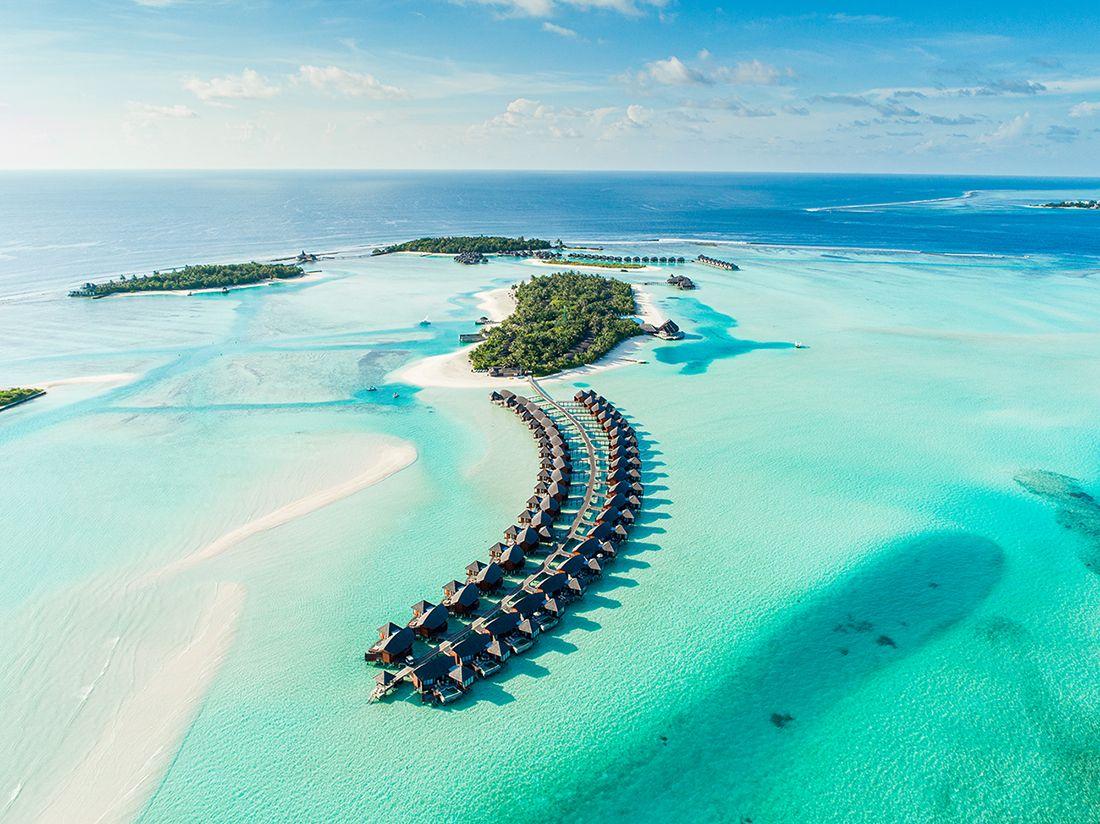
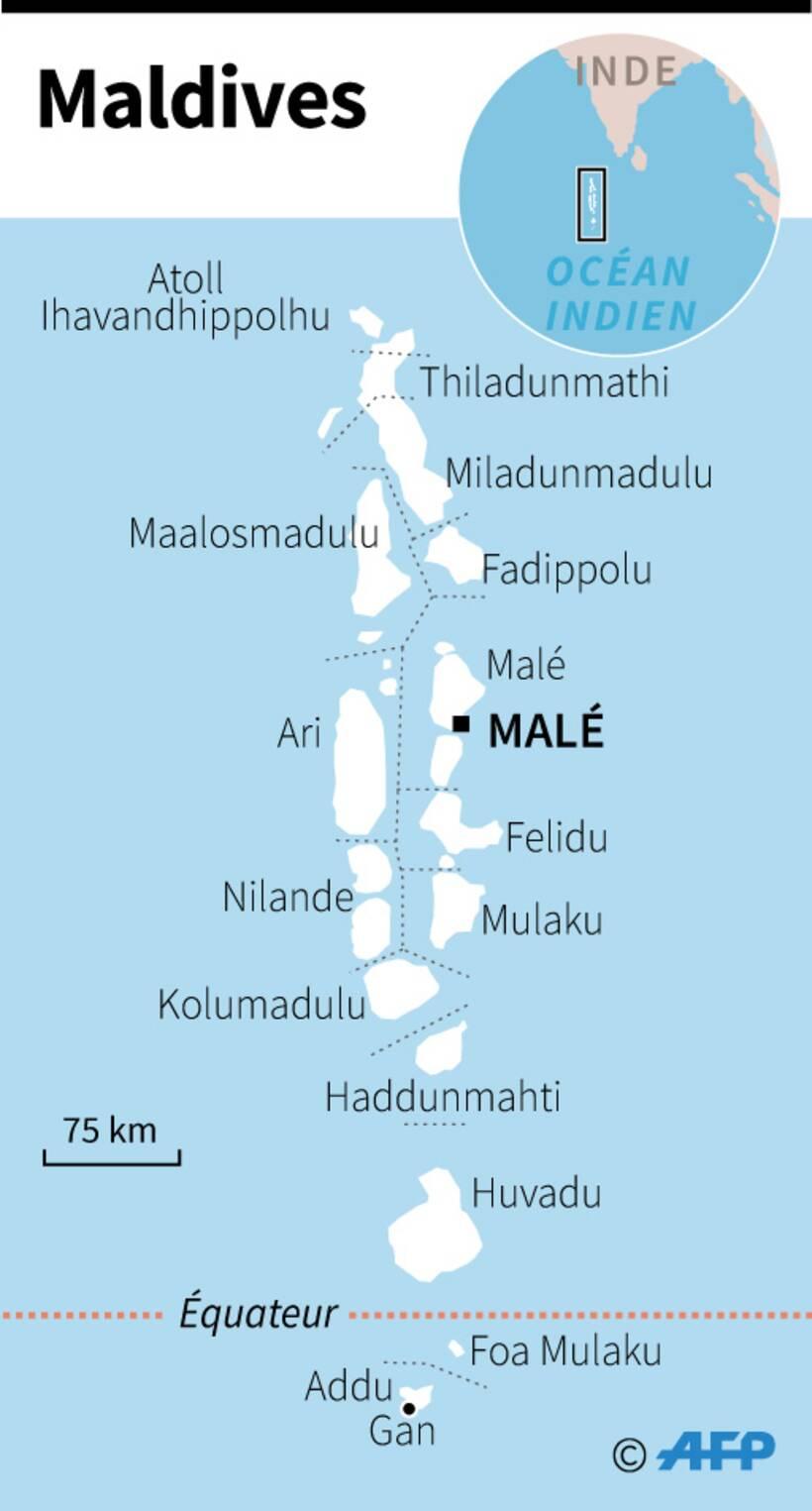
Located in the Indian Ocean, southwest of Sri Lanka, the Maldives is made up of 1,192 islands (200 of which are inhabited), scattered over 800 kilometres. They are home to about 3% of the world's coral reefs.
Tourism is the main resource, accounting for nearly 40% of GDP in 2017 and 16% of jobs, according to the World Travel and Tourism Council.
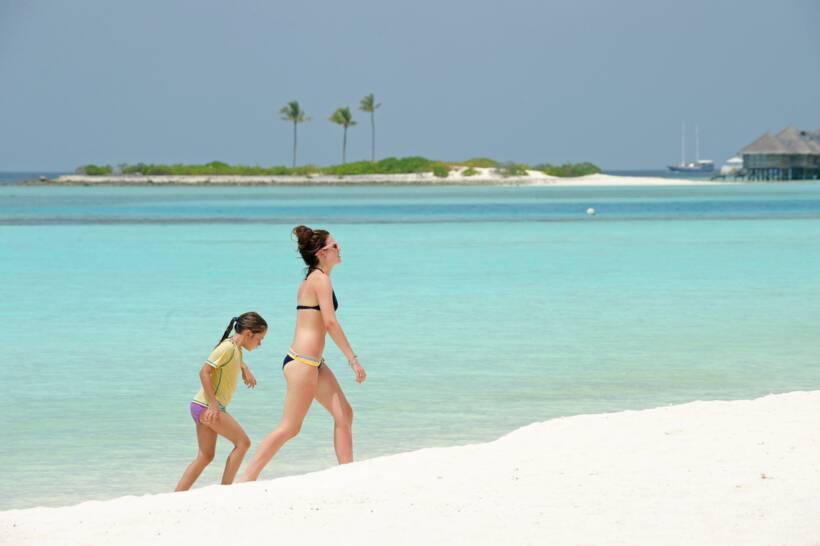
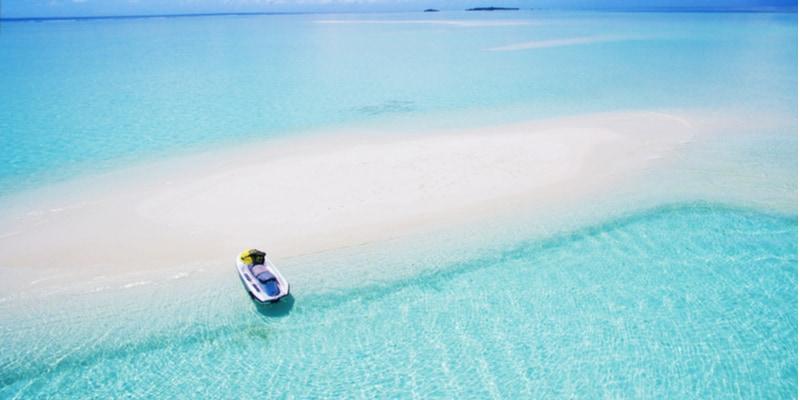
The destination, known for its paradisiacal white sand beaches and turquoise blue sea, attracted 726,515 tourists in the first half of 2018, up 10% year-on-year.
It is particularly popular for honeymoons, such as that of actors Tom Cruise and Katie Holmes in 2006.
GNP per capita grew by more than 200% between 1990 and 2015, according to the World Bank, but the country is highly indebted.
In 2017, households are likely to have been hit hard by a 5.6% rise in food and drink prices and a 4.6% increase in rents.
- Threatened by rising seas -
It is one of the most vulnerable countries to global warming, with 80% of its land less than one metre above sea level.
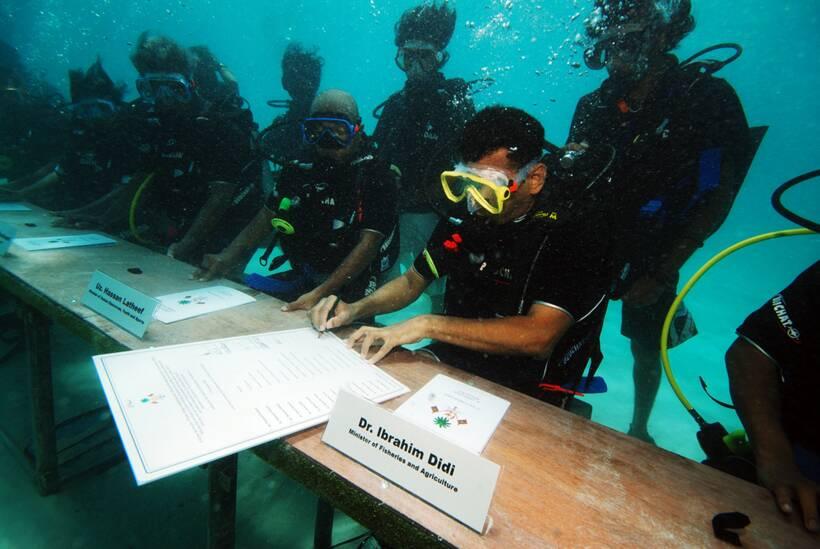
In 2009, then president Mohamed Nasheed even organised an underwater council of ministers to raise awareness of this danger, warning that the archipelago's inhabitants were at risk of becoming "climate refugees".
The 2004 tsunami left around 100 people dead or missing.
- Buddhist country turned Muslim -
The Maldives, located on a trade route, has been colonised several times. Experts believe that Islam first appeared in the 12th century, when a Buddhist king converted.
Portuguese explorers occupied the island of Malé (the present capital) in the 16th century. This was followed by two protectorates, Dutch and British. The Sultanate of Maldives became independent in 1965.
The country has long practised moderate Islam, but more radical interpretations have spread with an influx of money and Salafist preachers from the Middle East.
Sunni Islam is the state religion, with all other religions outlawed. Alcohol is banned, available only in tourist hotels. Homosexuality is illegal. Women found guilty of extramarital sex can be whipped.
The Maldives left the Commonwealth in 2016, due to criticism of human rights.
Earlier this year, the United States warned of possible terrorist attacks. About 60 of the archipelago's nationals have travelled to Syria and Iraq to fight with jihadists and some may have returned.
"All rights of reproduction and representation reserved. ©2023 Agence France-Presse. All information (text, photos, videos, still or animated computer graphics, sound or multimedia content) reproduced on this page is protected by current legislation on intellectual property rights. Consequently, any reproduction, representation, modification, translation, commercial exploitation or re-use in any way whatsoever is prohibited without the prior written consent of AFP, with the exception of personal non-commercial use. AFP cannot be held responsible for any delays, errors or omissions which cannot be excluded in the field of press information, nor for the consequences of any actions or transactions carried out on the basis of such information. AFP and its logo are registered trademarks.
THEMES ASSOCIATED WITH THE ARTICLE
Tourism
elections