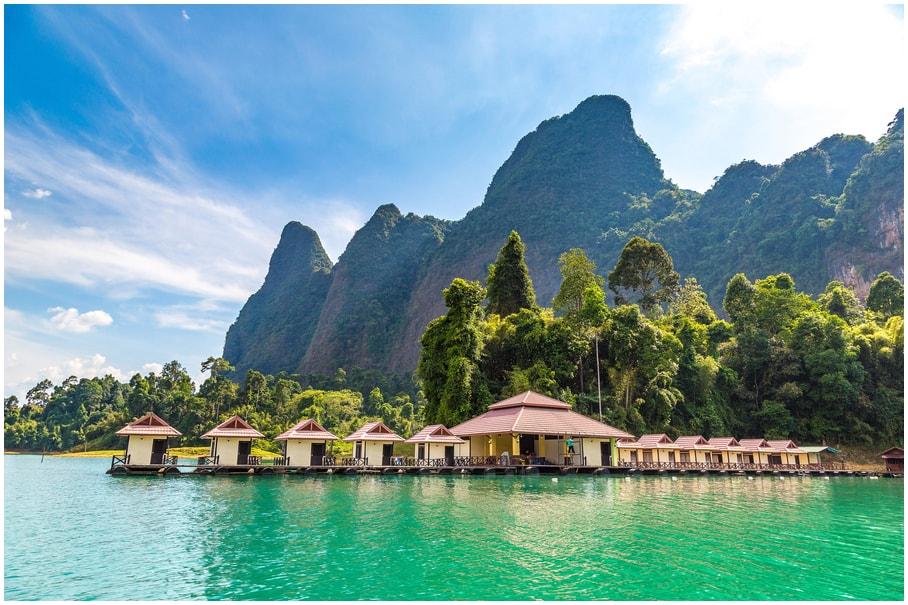
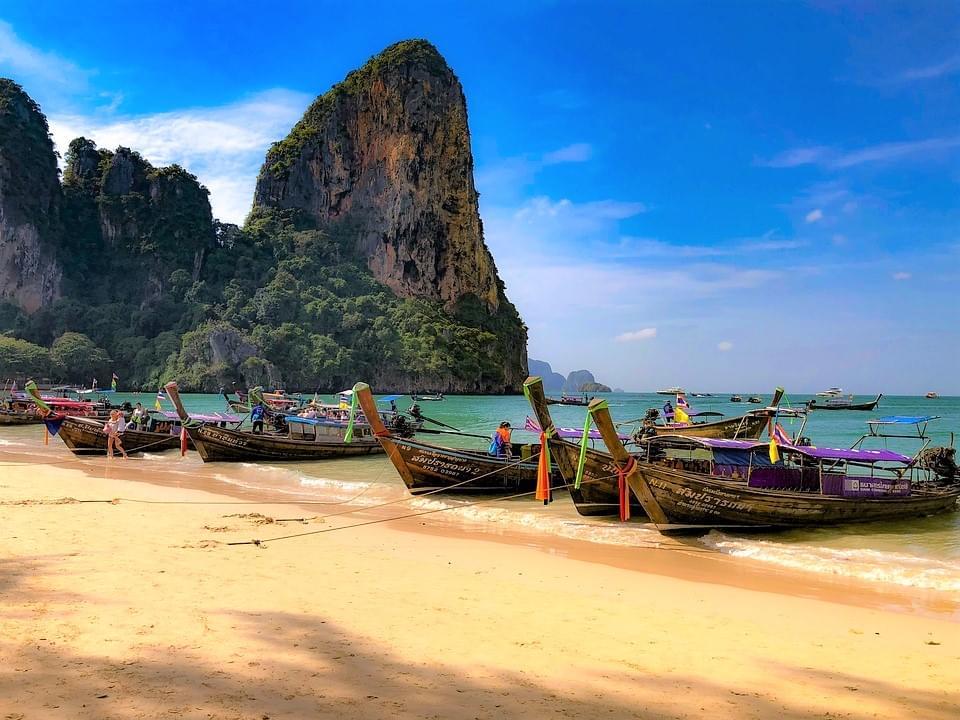
 The'Land of Smiles', that's what Thailand is called: kindness and broad smiles are commonplace here! This is a land full of treasures and interesting things to discover, and it never ceases to attract the many tourists who decide to visit every year.
But you know that when you think of travelling to such faraway places, the first questions that immediately come to mind are: when should I go? How should I dress? What climate will I find? Here we will try to shed some light on these topics with a comprehensive guide, so that you can better plan your trip to this fascinating destination.
Best period
If you want to take a good swim, the Thai sea is warm all year round, but a distinction has to be made according to area to avoid being caught in a downpour. The best times to visit are:
Northern Region (Chiang Mai) and Southern Region (Bangkok): December to mid-February, outside the rainy season and with less heat. From May to October there is heavy rain and the sky is often cloudy, in late February the heat becomes intense.
PeninsularThailand - East Coast (Koh Samui, Pattaya): mid to late January to April, especially February which is the least hot.
Peninsular Thailand - West Coast (Phuket): late December to March. While it is summer here, it rains a lot and the sea can be rough.
In general, the best month to visit Thailand is January, both climatically and economically.
November to April is the high season, where most tourists are concentrated and prices also go up. It is the dry season, where the weather is mild and the big attractions such as the Grand Palace or the Damnoen Saduak floating market are taken by storm.
March to May is a good time, because there is the famous'Thai Water Festival' and in April the Thai New Year is celebrated. However, temperatures already touch 35°C, so plan excursions during the cooler hours.
SEE ALSO: Where to celebrate Christmas and New Year in the heat
Period to avoid
 Throughout Thailand, the worst time is the rainy season, which runs from May to October (on the east coast from October to December).
From May to November there is a risk of tropical cyclones, with the greatest likelihood in August and October.
However, compared to South East Asian countries (such as the Philippines), it does not suffer much damage. The last cyclone to hit hardest was Gay, which affected the Gulf of Thailand in November '89.
Climate and seasons
Thailand has a very pleasant climate, which can be described as tropical monsoon: humid and hot, with high peaks between March and May, but tempered by the monsoon in some months. The monsoon coming from the southwest, from mid-May to October, brings rains (often in the afternoon), while the one coming from the northeast, from November to February, brings dry and relatively cool weather, especially in the north.
Winter temperatures usually drop to around 15°C, especially in northern Thailand, with highs reaching 40°C in April in the central and southern parts. In the capital Bangkok, temperatures are always high: in April there are peaks of 35°C and in December, which for us is the winter month par excellence, it is around 31°C.
Let's take a detailed look at the temperatures and rainfall in the various regions of Thailand.
Average temperatures and rainfall - Northern region (Chiang Mai)
In the northern lowlands, the climate is warm all year round, except in winter when it drops to around 12-13 °C in the Chiang Mai area.
From February, temperatures rise sharply, reaching up to 35 °C.
The monsoon period, which runs from May to October, brings heavy rainfall (the highest peaks in August and September) and the sky is often cloudy.
Recommended period: Let's say that the favourable climate in the north is from December to January.
Season | Period | Temperatures (min/max) | Raining days |
|---|---|---|---|
Dry season | November to April | 13°/33° | 4/month |
Rainy season | May to October | 24°/34° | 16°/month |
Average temperatures and precipitation - Southern region (Bangkok)
In the southern region and Bangkok, the weather is often good and even in winter it is warm.
Between March and mid-May temperatures reach 37-38 °C and the proximity of the sea makes the air even more humid, which becomes unbreathable in the city between the buildings.
From mid-May, the monsoon brings a drop in temperatures and the rains cool things down a little.
Recommended period: from December to mid-February, characterised by the absence of rainfall and little heat.
Season | Period | Temperatures (min/max) | Rainy days |
|---|---|---|---|
Dry season | November to April | 20°/32° | 2/month |
Rainy season | May to October | 27°/35° | 13°/month |
Average temperatures and rainfall - Peninsular Thailand/East Coast (Koh Samui, Pattaya)
In peninsular Thailand, the climate is hot and the rainy season occurs at different times.
On the east coast, the summer monsoon is not particularly intense, while the monsoon from October to December brings torrential rain.
Recommended period: in this area, which includes Koh Samui, the most favourable period is from late January to early April.
Season | Period | Temperatures (min/max) | Raining days |
|---|---|---|---|
Dry season | November to April | 25°/31° | 4/month |
Rainy season | May to October | 24°/30° | 19°/month |
Average temperatures and rainfall - Peninsular Thailand/West Coast (Phi Phi Island, Phuket)
The West Coast, on the other hand, which includes the popular Phi Phi Islands and Phuket, receives little rain from December to March, so this is certainly the best time to relax in these beautiful places.
Recommended period: late December to March.
Season | Period | Temperatures (min/max) | Rainy days |
|---|---|---|---|
Dry season | December to March | 24°/32° | 5/month |
Rainy season | April to October | 25°/31° | 18°/month |
What to pack
Rainy season (May - October) | Dry season (November - April) | |
|---|---|---|
North (Chiang Mai), Bangkok, Peninsular Thailand | Light clothes for the day, sweatshirt or jumper for the evening. Scarves and breathable clothes for humidity. | very light clothes and comfortable shoes, light mackintosh or umbrella; a light sweater and scarf for the evening |
Gulf of Thailand (coasts and islands) | add an umbrella or light mackintosh | add swimming costumes, snorkelling equipment, rock shoes |
Mountainous areas (western border with Burma) | mid-season clothing, warm jacket and jumper for the evening | light clothes for the day, mackintosh, hiking shoes, sweatshirt for the evening and summits |
In general, avoid heavy clothes that would not be worn: better to bring a jacket and cover up for the occasion. Always wear comfortable shoes and pack insect repellent, sun cream, scarves and long trousers, which are essential for entering temples where you need to cover your ankles (as well as your feet).
Useful info
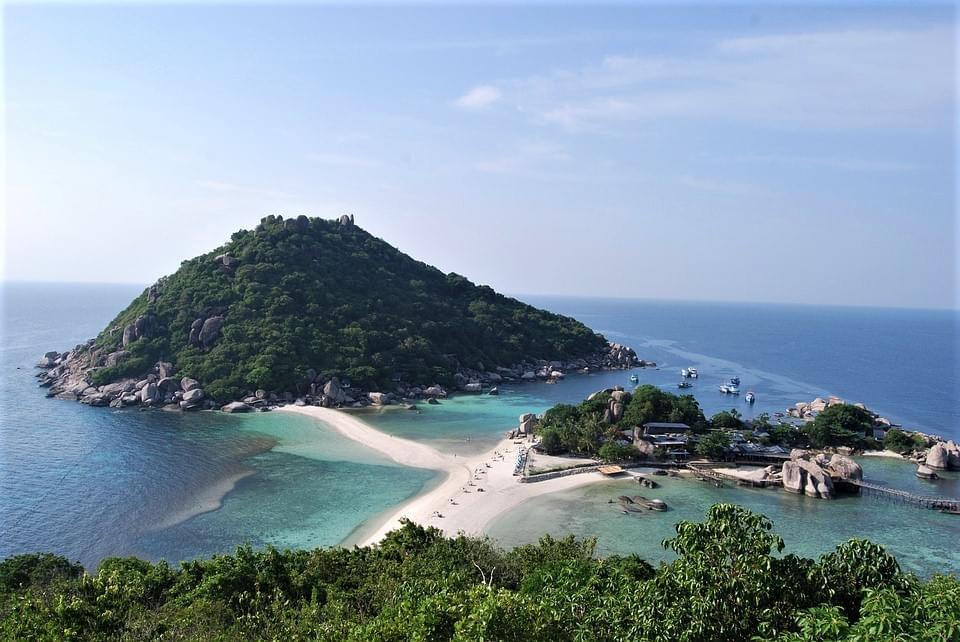
Capital: Bangkok
Population: 68.86 million
Surface area: 513,120 sq km
Languages: Thai and English (the latter only in the capital and the main tourist spots)
Currency: Baht (THB) / Exchange rate: €1.00 = 38.51 baht - 100 baht = €2.60
Documents: original passport with residual validity of at least 6 months upon arrival and at least two free pages remaining for visa application
Time zone: +6 h with respect to Italy
Vaccinations: no vaccination is required for Italian travellers, but it is a good idea to visit your doctor a few weeks before departure: he will be able to advise you best!