If, for you, Salento is synonymous with pizzica and beaches, it means that you have not yet discovered the dazzling beauty of its capital city: Lecce is a whirlwind of churches, squares and palaces so astonishing that they will stun you. And get ready: there is more than one Lecce to visit. There is the Baroque one, so elegant that it has earned the nickname 'Florence of the South'; the Messapian and Roman one, hidden behind and beneath the buildings of the old city centre; and the popular one, the most authentic, which revolves around its straightforward gastronomy and love of the sea, only ten kilometres away. And they are all, equally, beautiful.
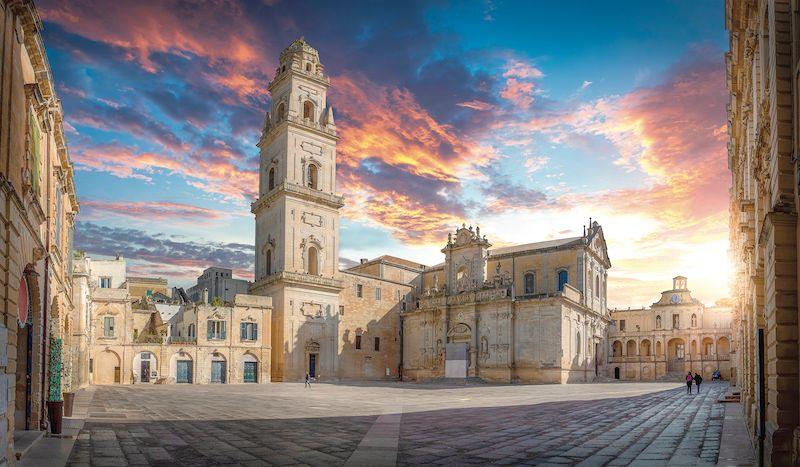
Mitzo/shutterstock © Piazza del Duomo, Lecce
An immersion in beauty in Lecce: baroque and other wonders
One day will barely be enough to discover the main sights in Lecce, so start with the must-sees. The pride of the Leccesi, the city centre is the scenic Piazza Sant'Oronzo, bustling with passers-by (it is pedestrianised) at all hours thanks to the rosary of cafés, restaurants and shops surrounding it. A couple of metres below the level of the square, next to the Palazzo del Seggio, are the monumental remains of theRoman Amphitheatre from the Augustan age in which the inhabitants of ancient Lupiae used to watch the battles between gladiators and ferocious beasts. A visit to the Castle of Charles V is almost obligatory, to admire the courtyards, the 16th-century halls and the medieval tower, but above all one of the temporary exhibitions, all of excellent quality, that are cyclically set up there. Lose yourself in the alleys and then be surprised by the mixture of astonishment and vertigo that will assail you when suddenly, coming out of the shadows of the narrow streets, you find yourself in front of the candid Basilica di Santa Croce: the masterpiece of Lecce Baroque, the work of the best architects and craftsmen who worked on it for over a century and a half, starting in 1549. The solemn façade, marked by three overlapping sections, is overloaded with symbols and allegorical references to the triumph of Christianity over Muslim heresy and of Good over Evil, but the most scenic element is the large rose window carved by Zimbalo and Cesare Penna in 1646. Surrounded by a garland and grotesques concealing the faces of the temple's five designers (try to find them), it is framed by two rows of vaguely refined angels and pomegranates.
Conclude your itinerary of places to visit in Lecce at its spiritual heart, a masterpiece of urban architecture that seems cut off from the rest of the city and which, because of this, and its beauty, mesmerises and amazes: Piazza del Duomo. The fact is that Lecce Baroque opts for sobriety without renouncing dramatic effect. And the theatricality of the Piazza del Duomo, which presents itself today in the guise that the architects who remodelled it in 1761 sewed onto it, confirms this.
In addition to the absence of excess - spectacularity is delegated to the play of light and shadow rather than to an overabundance of embellishments, but it is characteristic - what unites Lecce's many places of worship and baroque palaces is the material: pietra leccese, a limestone that is very soft and ductile when quarried (and therefore very suitable for sculpting, carving and perforating), but which hardens over time, taking on a warm golden colour.

Detail of the Basilica of Santa Croce Massimo ©Paris/shutterstock
Alleys and good food: relaxation and other things to see in Lecce
The true essence of the capital of Salento is hidden in the sun-drenched alleys of the historic centre and in the rich local gastronomy, for which we recommend you plan an extra day, just long enough to enjoy the city atmosphere and sweeten your strolls with a pasticciotto. There is a labyrinth in the heart of Lecce, far from the Baroque palaces but in the shadow of the cathedral bell tower. It is made up of alleyways all alike, small squares that open up suddenly, cats yawning in the sun and shabby walls. It is said that it was built on purpose, in the Middle Ages, to disorientate enemies. Today, as then, it is impossible not to get lost at the end of each little street, one fork after another, another, and so on ad infinitum. It is no coincidence that they call them Le Giravolte.
If, after all this walking, you feel peckish, you don't have to wander too far before finding a nice place to eat in Lecce: the culture of good food and good wine, aided by the quality of the raw materials, can be enjoyed in many restaurants, trattorias, bakeries and festivals in the piazza. Not to mention the triad (almost sacred for gourmets!) of Lecce street food: rustico, pasticciotto and puccia. Rustico is made up of two discs of puff pastry filled with mozzarella, béchamel and tomato, sometimes seasoned with pepper and nutmeg; pasticciotto is made up of short pastry filled with custard; puccia is a sort of low, hard wheat loaf with a thin, crispy crust, little crumb, and filled with lots of goodness.
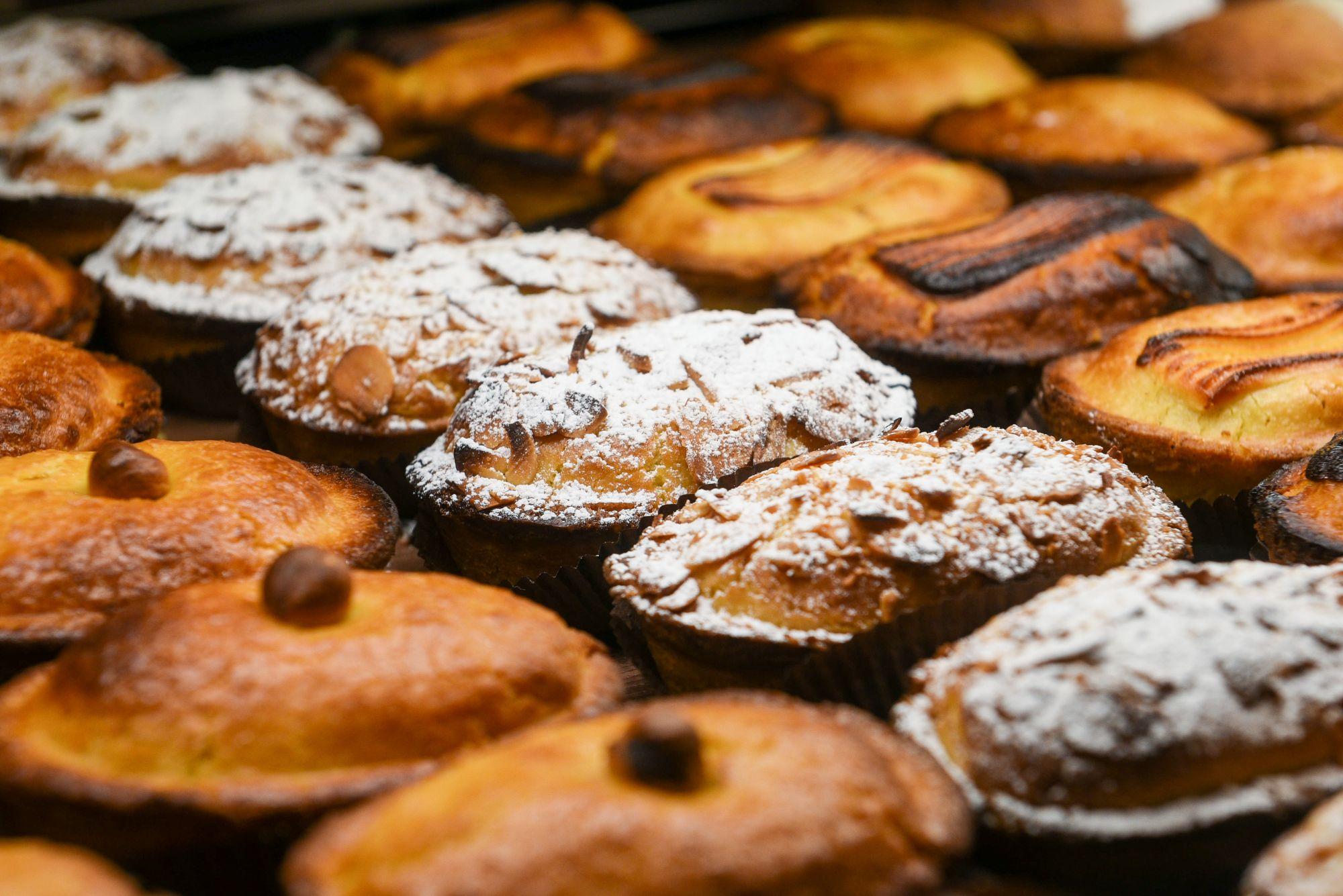
The famous Lecce pasticciotto ©Kmiecinski
On a break in Salento: things to see near Lecce
With an unprecedented mix of styles, cultures, languages and traditions that have settled in this flat land over the millennia, the Salento region of Lecce is capable of surprising even the most seasoned traveller. All you have to do is get behind the wheel, drive without a precise destination, and along the way, softened by endless olive groves, you will encounter white fortified villages, villages dotted with elegant noble palaces, frescoed churches in the style of Giotto and mysterious crypts from the Byzantine era. A regenerating plunge into history that anticipates, if only slightly, the refreshing dip in the Salento sea.
Of course, you will have to run a little, there are more things to visit in the Salento than you expect. Heading south from Lecce, take a swim along the shores of the Laghi Alimini (Alimini Lakes), which anticipate your arrival in Otranto, the ancient capital of Salento, overlooking the sea and full of evidence of its glorious past, such as the Cathedral, the Church of San Pietro and the Aragonese Castle. If you still have time, head for Porto Badisco and Santa Cesarea Terme, whose coves herald the arrival in Castro, the place where, according to legend, Aeneas landed. Here lies the Grotta Zinzulusa, with its magnificent geological formations. The next stop is Santa Maria di Leuca, the tip of the Italic heel, white and stretching between Africa and the East.
Alternatively, instead of heading for the coast, set out to discover the inland villages. After a visit to the thousand-year-old Abbey of Santa Maria di Cerrate, head for Nardò, whose historic centre, gathered around Piazza Salandra, you should dedicate at least a couple of hours. From here, move on to Galatina, where you will be breathless at the sight of the Basilica of Santa Caterina d'Alessandria, with its splendid interiors frescoed in the Giottesque style between the 14th and 15th centuries, then close in beauty in Maglie, one of the most elegant towns in the area.

The Zinzulusa cave, Salento ©mjols84/shutterstock
Sign up for our newsletter! For you every week travel tips, special offers, stories from the world and 30% discount on your first order.
Recommended guides and products:
Travel guide
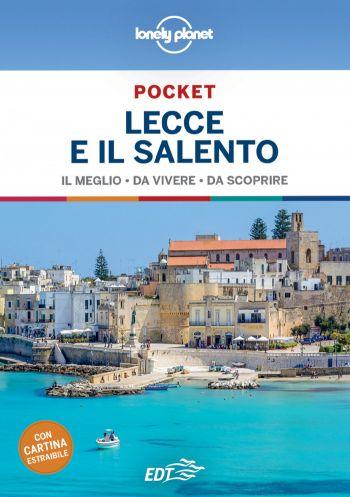
Lecce and the Salento Pocket
Read also: