Going alone (or with girlfriends) to Dubai can be a lot of fun, it means having possibilities that are precluded to Emirati women. Gwyneth Paltrow, Kate Hudson and Zoe Saldana try to unhinge some prejudices, challenging more than one taboo (and sharia).
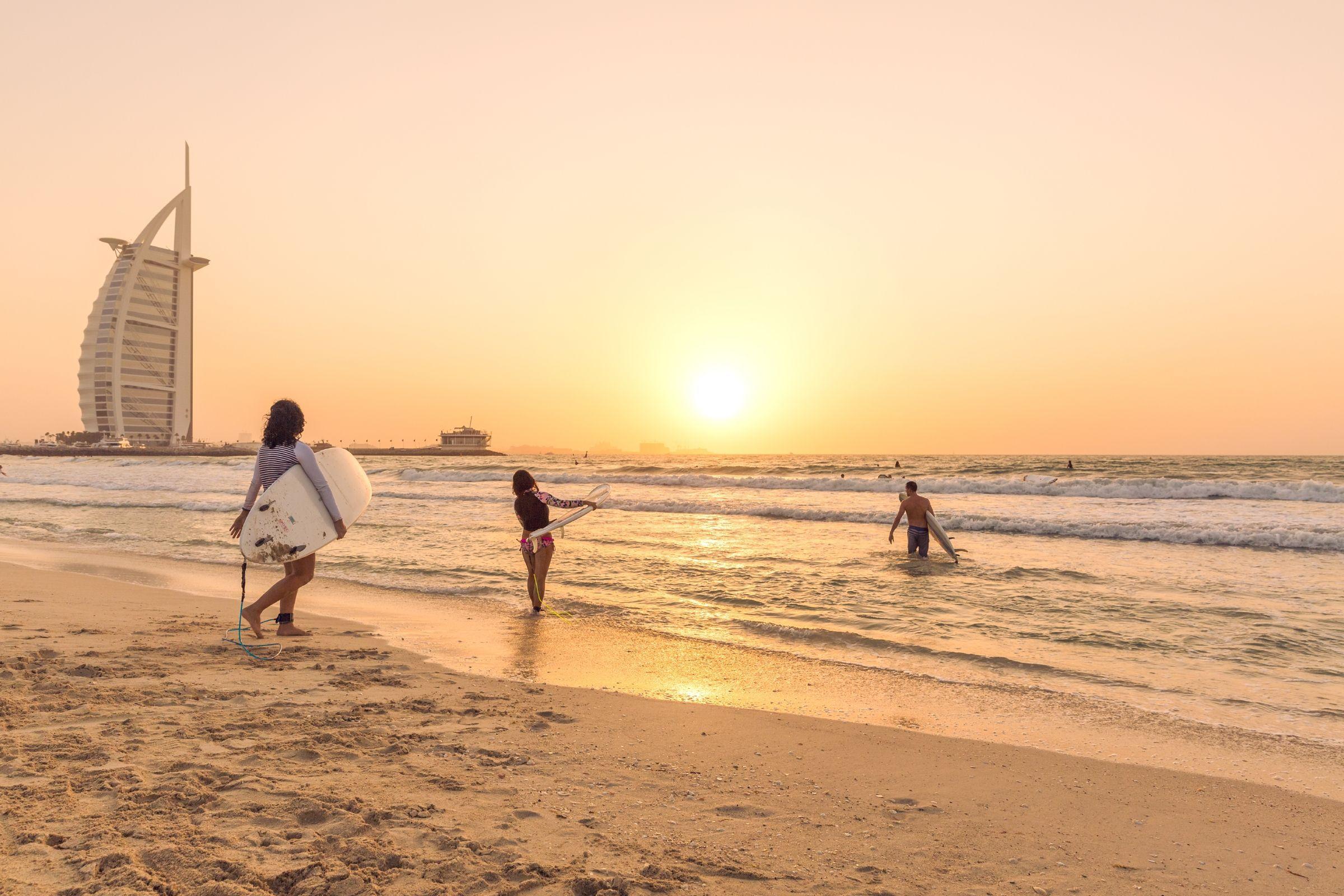
Three female surfers on the beach in Dubai at sunset, overlooking the Burj Al Arab, one of the symbols of the city. ©Vivek_Renukaprasad/Getty Images
In the collective imagination, the Middle East is anything but women friendly. Female tourists are quite free and do not have to abide by the limits that Islamic law imposes on Emiratis, but the perception of being more restricted than in any other Western destination still lingers in the air. Or is it? The arduous task of denial was entrusted to three actresses who landed from Hollywood in Dubai, a city full of contradictions. Skyscrapers rising out of the flatness of the desert, residential land art rising out of the water in an area where land abounds, compounds redefining the concept of the townhouse by offering mass-produced, million-dollar super-villas.
Dubai in recent years is repositioning itself from being an alluring stop-over for travellers heading elsewhere, to a destination where one can spend more than a weekend. From stopover to destination, the step requires a considerable communication effort, because the infrastructure, entertainment, and attractions are already there. What is missing is the narrative, capable of evoking a more authentic experience than the one we normally get. With Expo 2020, the opportunity to retain the expected 20 million visitors for more than a few days would give a considerable boost to the city's already thriving economy, as well as a strong signal: Dubai is cool, not only for families and business people, but also for female tourists travelling alone or with friends.
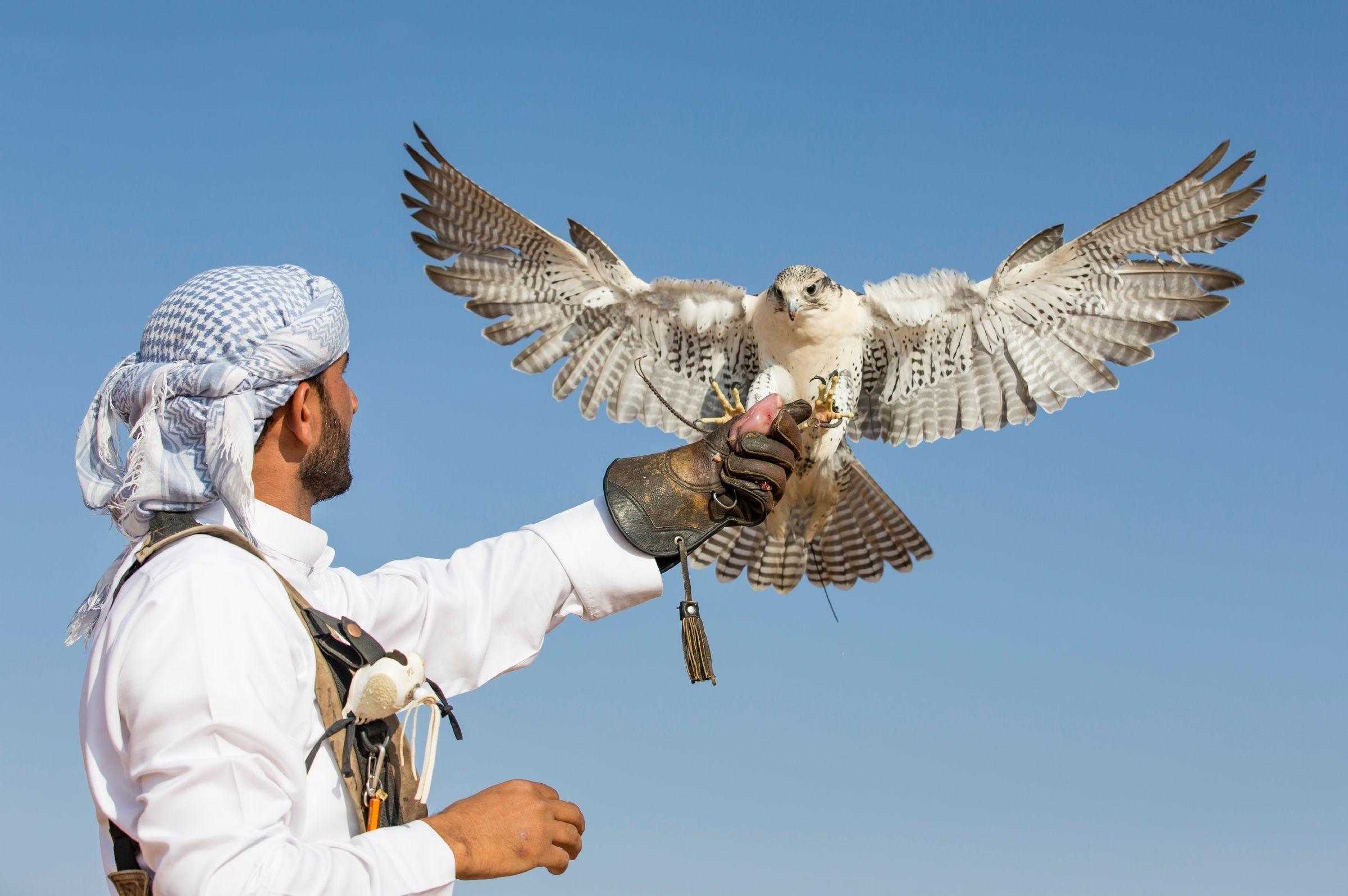
A falconer trains a Peregrine Falcon in the Dubai desert. ©Katiekk2/Getty Images
One of the safest cities in the world
One of the most persuasive arguments for the female public is safety: there have always been rumours that a woman alone in Dubai could be mistaken for a prostitute, picked up on the street or in clubs, or receive persistent marriage proposals especially if she has blue eyes and blonde hair. The fact remains that Dubai is one of the least criminalised destinations in the world. Neighbouring Abu Dhabi this year topped the list of the world's safest cities, compiled by the global crowdfunding database Numbeo, and Dubai defends itself well in seventh place. Walking through the streets of Dubai, I personally had the impression of being perfectly safe, much more so than wandering around Downtonw LA or certain suburbs of Turin. Safe and constantly observed: from the people who discreetly lurked at the edge of the Dubai Marina strip and armed with a mop, kept the pavement as clean as a mirror (not a single litter in sight, let alone a cigarette butt, as far as the eye could see), to the surveillance cameras that in the Dubai metropolitan area number in the tens of thousands.
This is a reassurance for anyone travelling alone, with special attention paid to women, who are particularly security-conscious. Western female tourists in particular are an interesting segment: currently most tourists arrive in Dubai fromIndia (about 1 million a year), the Arab Emirates, China, Oman and Russia. FromEurope come mainly British (about half a million), while from the United States (just over 300,000) they seem not to be fascinated by the 12-and-a-half-hour direct flight, with which Emirates has minimised the journey times offered by other airlines.
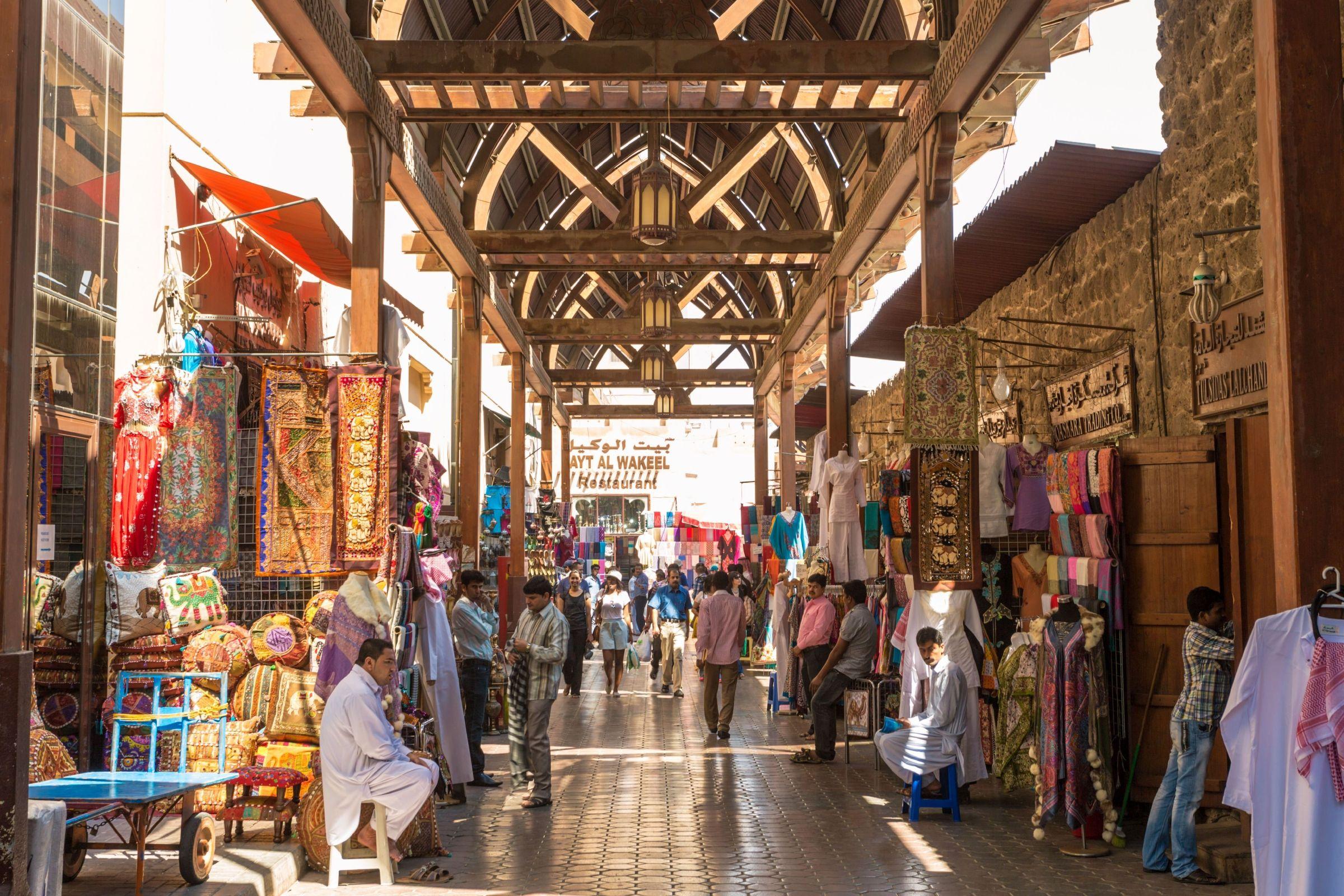
A textile souk in Bur Dubai, a historic district of the city. ©Matteo Colombo/Getty Images
To launch this narrative, the Dubai Tourism Authority made the short film'A Story Takes Flight' with cinematic criteria, an Emmy Award-winning director and a Hollywood cast Gwyneth Paltrow, Kate Hudson and Zoe Saldana, recruited to tell us about three fundamental aspects of the city: its metropolitan soul, the desert that surrounds it and its traditions. The point of view is that of an ultra-discerning traveller, who is certainly not impressed by records meticulously designed to snatch them away from other cities, and the quad bike ride through the dunes with desert tea in the Bedouin tent, she has already done in Morocco in the nineties. A place where a ski slope inside a shopping centre hasn't been in the news for a while. That is why we see the three actresses having unusual experiences in Dubai: one flies a falcon in the middle of the desert and then jumps on a motorbike, another talks to her neighbour at the table to let us know that water taxis in Dubai run 24 hours a day, yet another armed with a reflex camera takes pictures of the landmarks we already know, but also some glimpses of the old city that probably hasn't yet taken root in our imagination.
The portrayal of what the three female tourists do in Dubai sounds vaguely unrealistic: photographing women as Gwyneth Paltrow does, stopping to portray a skater, is forbidden by Islamic law, as is drinking in public and flirting with strangers as Kate Hudson does, or wandering alone in the middle of the desert without being escorted by a male relative as Zoe Saldana does. Laws laid down in sharia, the Emirati penal code, which in reality do not apply to tourists. Just the choice of costumes is realistic: the recommended dress code for female tourists is clothing that covers the shoulders and knees.
Subscribe to our newsletter! For you weekly travel tips, special offers, stories from the world and 30% discount on your first order.
The three actresses live adomesticated experience that Emirati women are still precluded from, despite the steps forward that have been taken thanks to the efforts of Sheikh Zayed bin Sultan Al Nahyan's third wife, Fatima bint Mubarak, an activist for the emancipation of women in the UAE. A double standard that seeks to strike a balance between granitic local traditions and increasing tolerance towards Western customs. A storytelling that has received a thumbs down from the New York Times, describing it as a narrative squeezed into the stereotypical tropes of girlfriend travel and, in an era of extreme attention to gender stereotypes, stumbling over predictable clichés, just as Dubai risks becoming if it fails to emancipate itself from the postcard of itself.
To complicate matters, it seems that Dubai is not making much of an effort to offer female tourists services that are really designed for women, not limited to pink taxis (driven by women and only allowed to pick up women and families), women's nights that historically in Dubai are held on Tuesdays - but in recent years each club elects its own - where customers are offered a free cocktail, or the women-only beaches and clubs that in the eyes of a Western tourist might have the same appeal as segregation.
Related articles
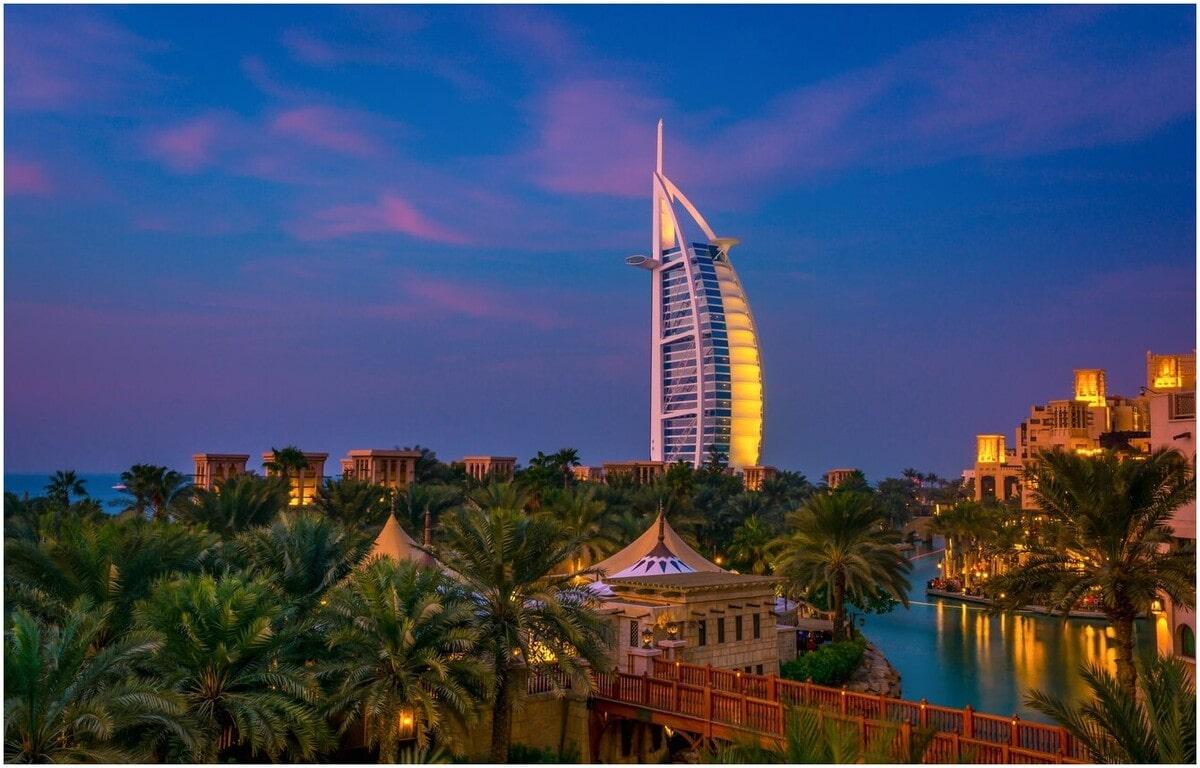
Hotel in Dubai, luxury and entertainment guaranteed in this top
Dubai Travel Guide
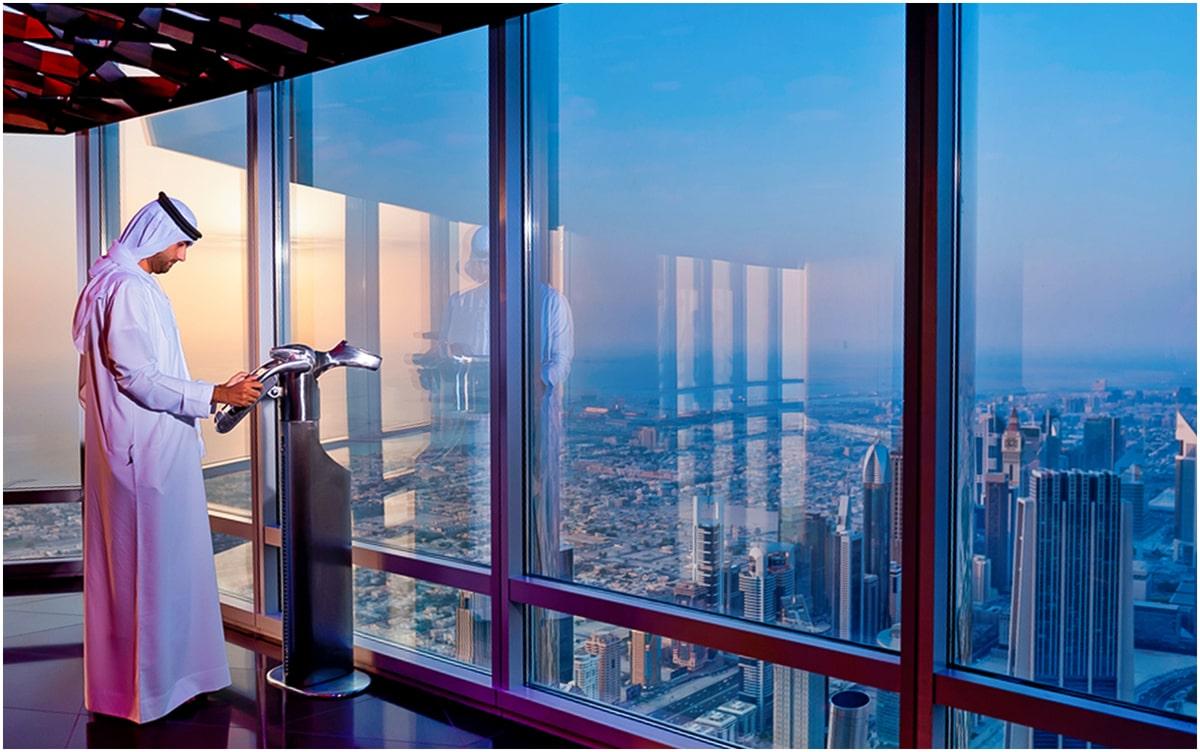
The highest tower in the world: The Burj Khalifa in Dubai
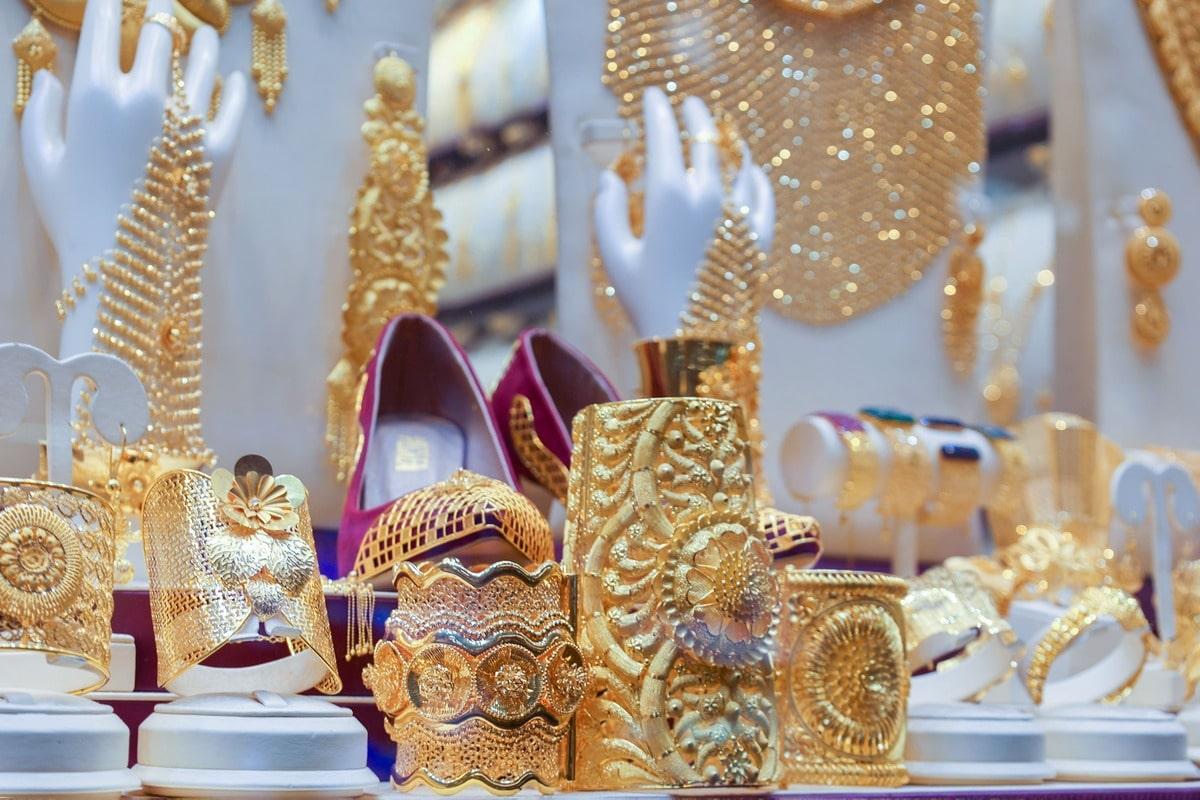
Souk in Dubai: Top 6 and how to get there
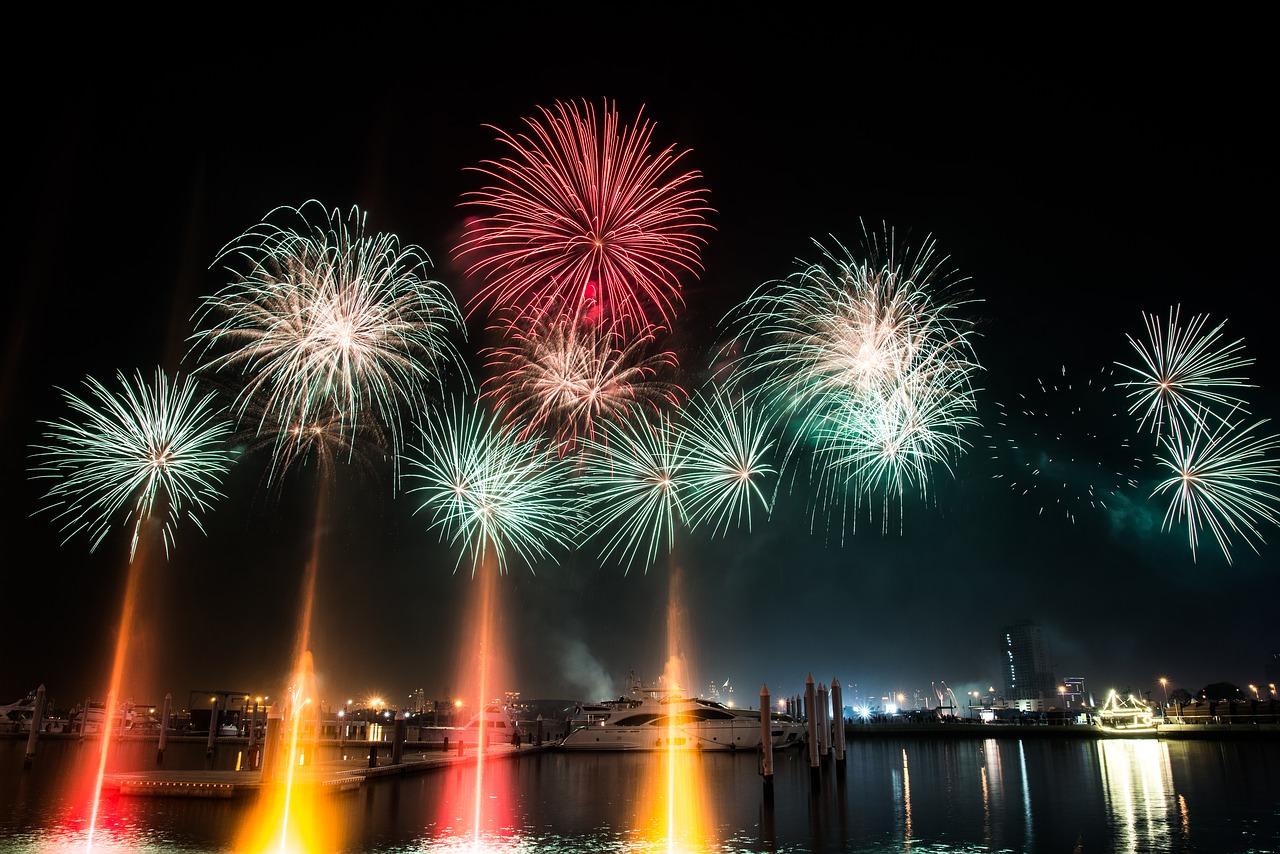
New Year's Eve 2024 in Dubai: Tips, Events and Offers
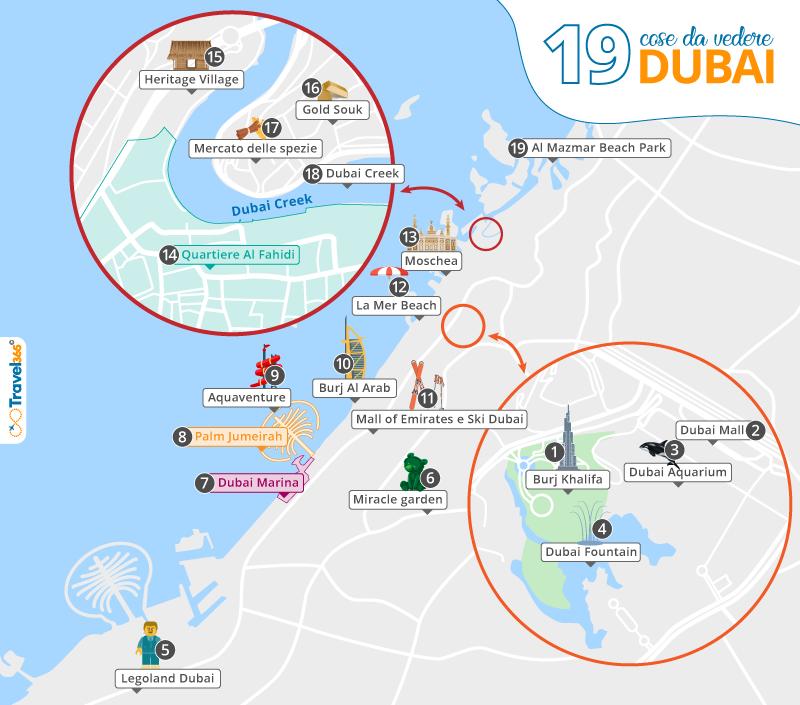
What to see in Dubai: 19 best attractions and things to do

When to go to Thailand?

Maldives: information and travel ideas